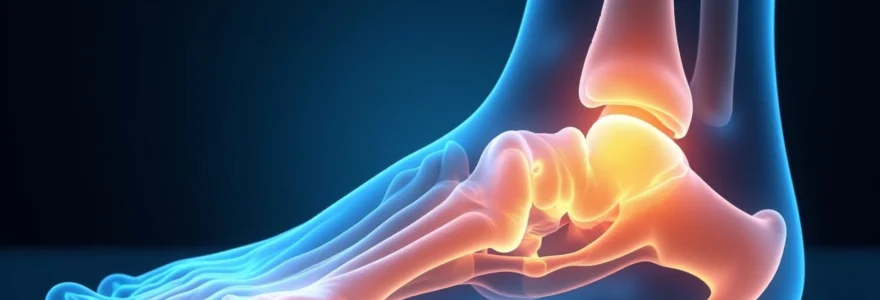
Calcaneal fractures represent some of the most challenging injuries in orthopaedic practice, affecting the largest bone in the foot and often resulting in long-term functional limitations. These complex injuries, commonly known as heel bone fractures, occur in approximately 2% of all fractures but account for 60% of tarsal bone injuries. The recovery journey varies dramatically depending on fracture severity, treatment approach, and individual patient factors. Understanding real-world recovery stories provides invaluable insights into the rehabilitation process, helping both patients and healthcare professionals navigate the complexities of calcaneal fracture management. From professional athletes returning to elite competition to construction workers adapting to new occupational demands, each recovery story offers unique lessons about resilience, adaptation, and the remarkable capacity for healing.
Intra-articular calcaneal fracture recovery: professional athletes’ return to competition
Professional athletes face unique challenges when recovering from intra-articular calcaneal fractures, as their careers depend on achieving near-perfect functional outcomes. The subtalar joint involvement in these injuries creates complex biomechanical challenges that require sophisticated rehabilitation approaches. Athletes typically present with Sanders Type II or III fractures following high-energy trauma during competition or training. The recovery process demands not only bone healing but also restoration of proprioception, explosive power, and sport-specific movement patterns.
The psychological component of athletic recovery cannot be understated. Fear of re-injury, loss of confidence in explosive movements, and concerns about career longevity create additional hurdles beyond the physical rehabilitation. Elite athletes often work with multidisciplinary teams including orthopaedic surgeons, physiotherapists, sports psychologists, and biomechanics experts to address these multifaceted challenges. The return-to-sport timeline typically extends 12-18 months, significantly longer than standard occupational return timelines.
Kevin durant’s Achilles-Calcaneus complex rehabilitation protocol
When examining complex foot and ankle injuries in basketball players, the intricate relationship between the Achilles tendon and calcaneal attachment becomes paramount. Professional basketball players experiencing calcaneal stress fractures or acute trauma often develop compensatory Achilles tendon tightness, creating a cascade of biomechanical dysfunction. The rehabilitation protocol addresses this kinetic chain disruption through progressive loading strategies and movement pattern retraining.
The early phase focuses on maintaining Achilles tendon length while protecting the healing calcaneus through controlled range of motion exercises. Players typically spend 6-8 weeks in protective weight-bearing before progressing to dynamic movement patterns. Plyometric training introduces gradually, beginning with bilateral jumping exercises before advancing to sport-specific single-leg activities. The final phase emphasises game-speed cutting manoeuvres and reactive movement patterns essential for professional basketball competition.
Manchester united goalkeeper’s sanders classification type IV recovery timeline
Goalkeepers present unique rehabilitation challenges due to the explosive lateral movements and frequent jumping required for their position. A Sanders Type IV calcaneal fracture, involving complete articular surface disruption, demands extensive surgical reconstruction followed by prolonged rehabilitation. The recovery timeline extends beyond typical athletic populations due to the highly demanding nature of goalkeeper-specific movements.
Initial rehabilitation focuses on achieving adequate dorsiflexion range of motion, as goalkeepers require approximately 20-25 degrees for optimal diving mechanics. The intermediate phase introduces progressive loading through goalkeeper-specific drills, beginning with static positioning before advancing to dynamic shot-stopping exercises. Proprioceptive training becomes crucial during this phase, as goalkeepers rely heavily on ankle stability for rapid directional changes. The final rehabilitation phase integrates full-speed diving, reaction training, and match-simulation scenarios to ensure complete functional recovery.
Olympic long jumper’s Post-ORIF functional outcome assessment
Olympic-level long jumpers generate tremendous forces through the calcaneus during takeoff, with peak loads exceeding 8-10 times body weight. Following open reduction internal fixation (ORIF) surgery, these athletes face the challenge of restoring not only structural integrity but also the explosive power generation capabilities essential for world-class performance. Functional outcome assessment requires sophisticated biomechanical analysis beyond standard clinical measures.
The assessment protocol includes force plate analysis measuring ground reaction forces during takeoff simulation, high-speed video analysis of foot strike patterns, and electromyographic evaluation of muscle activation sequences. Athletes typically demonstrate persistent deficits in power generation even after achieving excellent clinical outcomes. The rehabilitation progression emphasises progressive overload principles, beginning with 50% effort jumps and gradually increasing to competition-level intensities. Return to competition requires demonstration of 90% power output compared to pre-injury levels and bilateral symmetry within 5% across all biomechanical parameters.
Professional footballer’s subtalar joint mobility restoration journey
Professional footballers require exceptional subtalar joint mobility for cutting movements, ball control, and injury prevention. Calcaneal fractures involving the subtalar joint often result in post-traumatic arthritis and mobility restrictions that significantly impact performance. The restoration journey focuses on maintaining joint space and optimising available range of motion through targeted interventions.
Early mobilisation protocols within pain limits help prevent excessive scar tissue formation around the subtalar joint. Manual therapy techniques, including joint mobilisation and soft tissue manipulation, address capsular restrictions and muscle tension patterns. Players often benefit from custom orthotic devices that accommodate any residual joint irregularities while optimising foot biomechanics. The final phase integrates ball skills training with mobility exercises, ensuring that technical performance remains uncompromised despite structural changes to the foot architecture.
Complex comminuted fracture management: surgical intervention success stories
Complex comminuted calcaneal fractures present some of the most challenging scenarios in orthopaedic surgery, requiring sophisticated surgical techniques and comprehensive post-operative management. These injuries typically result from high-energy trauma such as falls from height or motor vehicle accidents, creating multiple fracture fragments that must be anatomically reconstructed. The success of surgical intervention depends heavily on fracture pattern recognition, surgical timing, and meticulous attention to articular surface restoration. Modern surgical approaches have evolved significantly, incorporating advanced imaging techniques, specialised implant systems, and refined surgical approaches that minimise soft tissue complications while optimising functional outcomes.
The management philosophy has shifted from purely anatomical restoration to a more nuanced approach considering patient factors, fracture characteristics, and functional goals. Surgeons must balance the desire for perfect reduction with the reality of soft tissue constraints and healing capacity. Surgical timing becomes critical, as procedures performed during the acute inflammatory phase carry higher complication rates, while delayed intervention may compromise reduction quality. The integration of advanced imaging, including CT scanning with 3D reconstruction, allows for precise pre-operative planning and intraoperative guidance, significantly improving surgical outcomes.
Essex-lopresti technique application in High-Energy trauma cases
The Essex-Lopresti technique represents a minimally invasive approach to calcaneal fracture reduction, particularly valuable in high-energy trauma cases where soft tissue preservation is paramount. This technique utilises the intact posterior facet fragment as a template for reduction, allowing restoration of calcaneal height and width through percutaneous manipulation. The approach proves especially beneficial in patients with compromised soft tissues or medical comorbidities that increase surgical risk.
Success stories using this technique often involve patients who would otherwise face extensive open reduction procedures with associated complications. The technique requires precise patient selection, typically favouring Sanders Type IIA and IIB fractures with suitable fracture patterns. Post-operative outcomes demonstrate comparable functional results to open reduction techniques while significantly reducing wound complications and surgical morbidity. Patients typically experience shorter operative times, reduced post-operative pain, and faster return to weight-bearing activities compared to extensile lateral approach procedures.
Percutaneous screw fixation outcomes in sanders type II fractures
Percutaneous screw fixation has emerged as an effective treatment option for Sanders Type II calcaneal fractures, offering the benefits of internal stabilisation while minimising soft tissue disruption. This technique utilises strategically placed screws to maintain fracture reduction and provide stable fixation for healing. The approach proves particularly successful in patients with good bone quality and fracture patterns amenable to percutaneous reduction techniques.
Clinical outcomes demonstrate excellent functional results with minimal complications when patient selection criteria are strictly followed. The technique requires advanced imaging guidance and considerable surgical expertise to achieve optimal screw placement. Long-term follow-up studies reveal high patient satisfaction rates and low incidence of post-traumatic arthritis compared to open reduction techniques. Patients benefit from reduced post-operative pain, shorter hospital stays, and earlier mobilisation, contributing to improved overall recovery experiences and faster return to pre-injury activity levels.
External fixation combined with limited internal fixation results
The combination of external fixation with limited internal fixation represents an innovative approach for managing severe comminuted calcaneal fractures with significant soft tissue injury or bone loss. This hybrid technique allows for indirect reduction of fracture fragments while providing stable fixation during the healing process. External fixation maintains calcaneal length and alignment, while strategically placed internal fixation addresses specific fracture components requiring direct stabilisation.
Success stories often involve polytrauma patients or cases with extensive bone comminution where traditional internal fixation would be inadequate. The technique allows for soft tissue recovery while maintaining fracture reduction, reducing the risk of wound complications associated with extensive internal hardware. Patients typically experience a staged recovery process, with external fixation removal once adequate healing has occurred. Functional outcomes demonstrate satisfactory results despite the complexity of the initial injury pattern, highlighting the technique’s value in challenging clinical scenarios.
Bone graft incorporation following extensile lateral approach surgery
Bone graft incorporation plays a crucial role in successful calcaneal fracture healing, particularly following extensile lateral approach surgery where significant bone defects may require augmentation. Autologous bone graft, typically harvested from the iliac crest, provides optimal healing potential through osteoinductive, osteoconductive, and osteogenic properties. The incorporation process requires adequate vascular supply, mechanical stability, and appropriate biological environment for successful integration.
Radiographic monitoring demonstrates progressive graft incorporation over 3-6 months, with successful cases showing complete integration and restoration of bone stock. Patients experience initial protection periods followed by progressive loading as graft incorporation progresses. Clinical success correlates strongly with graft incorporation quality, with complete integration associated with superior long-term functional outcomes. Advanced imaging techniques, including CT scanning, allow for precise monitoring of graft healing and early identification of incorporation problems requiring intervention.
Non-operative treatment outcomes in undisplaced calcaneal fractures
Non-operative management remains the gold standard for undisplaced calcaneal fractures, offering excellent functional outcomes while avoiding surgical risks and complications. These fractures, typically classified as Sanders Type I, maintain anatomical alignment and joint congruity, making conservative treatment highly effective. The treatment protocol emphasises early pain management, progressive weight-bearing, and functional rehabilitation to restore normal foot biomechanics. Success rates exceed 90% in appropriately selected patients, with most individuals returning to pre-injury activity levels within 3-4 months.
Patient selection proves critical for non-operative success, requiring careful evaluation of fracture displacement, joint involvement, and patient factors. High-quality imaging , including CT scanning, ensures accurate assessment of fracture characteristics and confirms suitability for conservative management. The treatment protocol typically involves initial immobilisation in a walking boot or cast for 4-6 weeks, followed by progressive mobilisation and strengthening exercises. Patients benefit from early physiotherapy intervention to address muscle weakness, joint stiffness, and gait abnormalities that commonly develop during the immobilisation period.
Long-term follow-up studies demonstrate excellent functional outcomes with minimal complications in properly selected cases. Patients typically experience gradual improvement over 6-12 months, with most achieving pain-free function and return to previous activity levels. Radiographic outcomes show maintenance of anatomical alignment and absence of post-traumatic arthritis in the vast majority of cases. The conservative approach offers significant advantages including avoided surgical risks, reduced healthcare costs, and faster initial recovery, making it the preferred treatment option for suitable fracture patterns.
The rehabilitation process emphasises patient education and active participation in recovery. Patients learn proper foot care techniques, activity modification strategies, and exercise protocols to optimise healing outcomes. Home exercise programmes focus on range of motion restoration, strength training, and functional movement patterns. Patient compliance with treatment recommendations strongly correlates with successful outcomes, highlighting the importance of comprehensive patient education and ongoing support throughout the recovery process.
Post-traumatic arthritis development and long-term functional adaptation
Post-traumatic arthritis represents one of the most significant long-term complications following calcaneal fractures, affecting up to 50% of patients with intra-articular injuries. The development of arthritis results from cartilage damage during the initial injury, subsequent joint surface irregularities, and altered biomechanics during the healing process. Understanding the natural history and management options for post-traumatic arthritis enables patients and healthcare providers to develop appropriate long-term treatment strategies and realistic functional expectations.
The onset of arthritic symptoms typically occurs 6-24 months post-injury, though some patients develop immediate symptoms while others remain asymptomatic for years. Clinical presentation includes joint stiffness, activity-related pain, and progressive functional limitation during weight-bearing activities. Radiographic changes often precede clinical symptoms, with joint space narrowing, osteophyte formation, and subchondral sclerosis becoming evident on serial imaging studies. Early recognition allows for proactive management strategies that can slow progression and maintain functional capacity.
Subtalar joint fusion timing and patient quality of life metrics
Subtalar joint fusion timing remains a controversial topic in managing post-traumatic arthritis following calcaneal fractures. Early fusion advocates argue for intervention before significant functional deterioration occurs, while delayed fusion proponents emphasise exhausting conservative measures first. Quality of life metrics provide objective measures for decision-making, incorporating pain levels, functional capacity, and patient satisfaction scores to guide treatment timing.
Research demonstrates that fusion timing significantly impacts patient outcomes, with optimal results achieved when intervention occurs before severe joint destruction develops. Patients undergoing fusion within 2-3 years of initial injury typically experience superior pain relief and functional improvement compared to those with delayed procedures. Quality of life assessment tools , including the Foot and Ankle Outcome Score (FAOS) and Short Form-36 (SF-36), provide standardised measures for evaluating treatment effectiveness and guiding clinical decision-making throughout the recovery process.
Chronic pain management strategies in heel pad syndrome
Heel pad syndrome develops in approximately 30% of calcaneal fracture patients, resulting from disruption of the normal fat pad architecture and altered heel cushioning properties. The condition creates chronic plantar heel pain that significantly impacts daily activities and quality of life. Management requires multimodal approaches addressing both mechanical and neurological components of pain generation.
Conservative treatment strategies include custom orthotic devices with heel cushioning, activity modification, and targeted physiotherapy interventions. Advanced treatment options encompass corticosteroid injections, platelet-rich plasma therapy, and neurolytic procedures for refractory cases. Pain management often requires combination approaches, with successful outcomes depending on accurate diagnosis and individualised treatment planning. Patients benefit from comprehensive education about their condition and realistic expectations regarding treatment outcomes and functional limitations.
Occupational therapy modifications for construction workers
Construction workers face unique challenges following calcaneal fractures due to the demanding physical nature of their occupation. Return-to-work modifications require comprehensive assessment of job demands, environmental hazards, and functional limitations to ensure safe and sustainable employment. Occupational therapy interventions focus on developing compensatory strategies, recommending workplace modifications, and providing specialised equipment to accommodate residual impairments.
Workplace modifications typically include appropriate footwear selection, anti-fatigue matting, job rotation schedules, and ergonomic tool modifications. Workers benefit from gradual return-to-work programmes that progressively increase physical demands while monitoring symptoms and functional capacity. Vocational rehabilitation may include retraining for alternative roles within the construction industry or complete career transition when functional limitations preclude safe return to previous duties. Success depends on collaboration between healthcare providers, employers, and workers to develop practical and sustainable solutions.
Biomechanical gait analysis following malunion complications
Malunion complications following calcaneal fractures create complex biomechanical abnormalities that require sophisticated analysis and management strategies. Gait analysis provides objective assessment of walking patterns, identifying compensatory mechanisms and quantifying functional deficits. The analysis guides treatment decisions and monitors intervention effectiveness throughout the recovery process.
Common gait abnormalities include reduced ankle dorsiflexion, altered heel strike patterns, and compensatory hip and knee movements. These adaptations often result in secondary problems including back pain, knee arthritis, and contralateral foot overuse injuries. Biomechanical intervention strategies include gait retraining, orthotic prescription, and targeted strengthening programmes designed to address specific movement
deficits and movement compensations. Treatment success depends on comprehensive analysis, targeted interventions, and ongoing monitoring of biomechanical improvements throughout the rehabilitation process.
Paediatric calcaneal fracture recovery patterns and growth considerations
Paediatric calcaneal fractures present unique challenges and opportunities compared to adult injuries, primarily due to the ongoing skeletal development and remarkable healing capacity of growing children. These injuries are relatively uncommon in the paediatric population, accounting for less than 5% of all paediatric foot fractures, but require specialised management approaches that consider growth plate integrity and long-term developmental implications. The recovery patterns differ significantly from adult populations, with children typically demonstrating faster healing times, superior remodelling capacity, and better functional outcomes despite similar injury mechanisms.
Children’s bones possess greater plasticity and healing potential, allowing for more conservative management approaches in many cases. The periosteum remains thicker and more active in paediatric patients, contributing to enhanced healing responses and reduced complication rates. Growth considerations become paramount when evaluating treatment options, as aggressive surgical interventions may damage growth plates or create growth disturbances that manifest during adolescent development. The treatment philosophy emphasises preserving normal growth patterns while achieving adequate fracture healing and functional restoration.
Recovery timelines in paediatric patients typically range from 6-12 weeks for simple fractures, significantly shorter than adult counterparts. Children demonstrate remarkable adaptability during the recovery process, often maintaining activity levels and developing compensatory movement patterns that facilitate continued participation in age-appropriate activities. The rehabilitation approach focuses on maintaining range of motion, preventing muscle atrophy, and ensuring normal developmental motor pattern progression. Family involvement proves crucial for successful outcomes, as parents and caregivers play essential roles in monitoring compliance, recognising complications, and facilitating appropriate activity modification throughout the recovery period.
Long-term follow-up studies reveal excellent functional outcomes in the vast majority of paediatric calcaneal fracture patients. Growth-related complications remain rare when appropriate treatment protocols are followed, with most children achieving normal foot development and function by skeletal maturity. The natural remodelling capacity of growing bone often corrects minor residual deformities that might require surgical intervention in adult patients, highlighting the importance of patient-specific treatment approaches based on age and developmental status.
Innovation in rehabilitation technology: virtual reality and biofeedback applications
Technological innovations are revolutionising calcaneal fracture rehabilitation, with virtual reality (VR) and biofeedback systems emerging as powerful tools for enhancing recovery outcomes. These advanced technologies address traditional rehabilitation limitations by providing objective feedback, gamification elements, and personalised training programmes that improve patient engagement and treatment adherence. Virtual reality systems create immersive environments that allow patients to practice functional movements safely while receiving real-time performance feedback, transforming the rehabilitation experience from passive therapy to active skill development.
Biofeedback applications utilise sophisticated sensor technology to monitor movement patterns, weight distribution, and muscle activation during rehabilitation exercises. This objective data enables healthcare providers to identify subtle movement compensations, track progress quantitatively, and adjust treatment protocols based on measurable outcomes rather than subjective assessments. Real-time feedback allows patients to understand their movement patterns immediately, facilitating faster motor learning and more effective rehabilitation outcomes compared to traditional therapy approaches.
Virtual reality rehabilitation programmes specifically designed for calcaneal fracture recovery incorporate progressive loading exercises, balance training, and gait retraining activities within engaging virtual environments. Patients can practice challenging movements in safe virtual settings before attempting them in real-world situations, building confidence and reducing fear of re-injury. The gamification elements inherent in VR systems improve motivation and treatment adherence, particularly beneficial for younger patients who may struggle with traditional rehabilitation approaches. Customisation capabilities allow therapists to adjust difficulty levels, movement requirements, and feedback parameters to match individual patient needs and recovery stages.
Integration of wearable sensor technology with smartphone applications enables continuous monitoring of patient activity levels, gait patterns, and rehabilitation compliance outside clinical settings. This remote monitoring capability provides valuable insights into patient behaviour between therapy sessions and enables early identification of potential problems or setbacks. Healthcare providers can adjust treatment protocols remotely based on objective activity data, improving efficiency and personalising care delivery. The technology also facilitates patient education by providing visual representations of progress and highlighting areas requiring continued attention or modification.
Artificial intelligence algorithms analyse rehabilitation data to identify patterns predictive of successful outcomes, enabling more accurate prognosis and treatment planning. Machine learning systems can recognise subtle movement abnormalities that might escape clinical observation, providing additional diagnostic information to guide treatment decisions. Predictive analytics help identify patients at risk for complications or prolonged recovery, allowing for proactive intervention strategies that may prevent problems before they develop. The integration of multiple data sources creates comprehensive patient profiles that inform evidence-based treatment approaches and improve overall care quality.
Cost-effectiveness analyses demonstrate that technology-enhanced rehabilitation programmes often provide superior value compared to traditional therapy approaches, despite higher initial equipment costs. Reduced therapy session frequency, improved outcomes, and decreased complication rates contribute to overall healthcare savings while improving patient satisfaction and quality of life. The scalability of technology solutions enables broader access to specialised rehabilitation services, particularly beneficial for patients in remote locations or those with limited access to experienced foot and ankle specialists. Future developments promise even more sophisticated applications, including haptic feedback systems, augmented reality overlays, and personalised artificial intelligence coaching that will further transform calcaneal fracture rehabilitation practices.