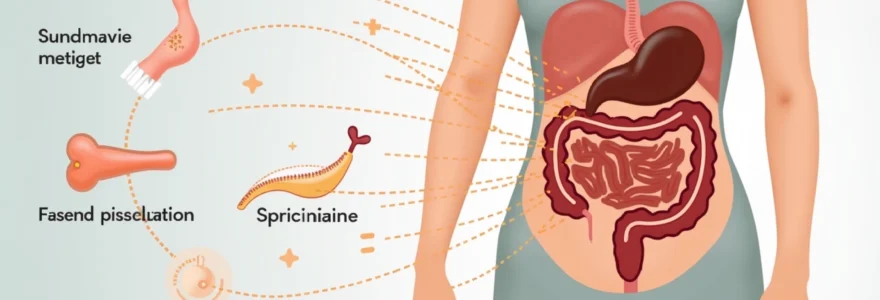
The relationship between constipation and sweating represents a complex physiological phenomenon that affects millions of individuals worldwide. When bowel movements become infrequent or difficult to pass, the body’s response often extends far beyond the gastrointestinal tract, manifesting in unexpected symptoms such as excessive perspiration, dizziness, and even nausea. This interconnected response highlights the sophisticated network of neural pathways and hormonal systems that govern both digestive function and thermoregulation. Understanding these mechanisms becomes crucial for healthcare professionals and patients alike, as constipation-related sweating can significantly impact quality of life and may indicate underlying autonomic dysfunction requiring targeted intervention.
Physiological mechanisms behind Constipation-Induced diaphoresis
The development of sweating during constipation episodes involves multiple interconnected physiological pathways that demonstrate the body’s integrated response to gastrointestinal distress. When faecal matter accumulates in the colon and rectum, mechanical pressure increases within the abdominal cavity, triggering a cascade of neural and hormonal responses. This pressure buildup activates stretch receptors in the intestinal wall, which subsequently send signals through the enteric nervous system to the central nervous system. The brain interprets these signals as stress, initiating the hypothalamic-pituitary-adrenal axis and resulting in the release of stress hormones including cortisol and adrenaline.
The sweating response during constipation episodes often intensifies when individuals attempt to pass hardened stool, creating a vicious cycle of physiological stress. Blood pressure fluctuations occur as the cardiovascular system struggles to maintain homeostasis under increased intra-abdominal pressure. These hemodynamic changes trigger compensatory mechanisms, including vasodilation and increased cardiac output, both of which contribute to elevated body temperature and subsequent perspiration. The body’s thermoregulatory system responds by activating sweat glands, particularly in areas with high concentrations of eccrine glands such as the forehead, palms, and underarms.
Vagal nerve stimulation and sympathetic nervous system response
The vagus nerve plays a pivotal role in constipation-induced sweating through its extensive connections between the brainstem and abdominal organs. When constipation creates mechanical distension in the rectum, vagal afferent fibres transmit signals that can trigger vasovagal responses. This phenomenon explains why some individuals experience profuse sweating , lightheadedness, or even fainting during particularly difficult bowel movements. The vagal stimulation creates a paradoxical response where parasympathetic activation initially occurs, followed by compensatory sympathetic nervous system overactivity.
Sympathetic nervous system activation during constipation episodes leads to the release of catecholamines, primarily norepinephrine and epinephrine, which directly stimulate sweat gland activity. This neurochemical response explains why constipation-related sweating often feels different from exercise-induced perspiration, frequently described as cold sweats or clammy skin. The sympathetic response also affects other bodily functions, including heart rate variability, blood pressure regulation, and peripheral vasoconstriction, creating the characteristic pale, sweaty appearance observed during severe constipation episodes.
Visceral pain pathways and Hypothalamic-Pituitary-Adrenal axis activation
Visceral pain associated with constipation activates specific neural pathways that directly influence the body’s stress response and subsequent sweating patterns. Nociceptors within the intestinal wall detect mechanical distension and chemical irritation from accumulated faecal matter, transmitting pain signals through splanchnic nerves to the spinal cord. These signals ascend to the thalamus and ultimately reach the hypothalamus, where they trigger the release of corticotropin-releasing hormone (CRH). This hormonal cascade results in elevated cortisol levels, which can persist for hours after the initial constipation episode, explaining why some individuals continue to experience sweating even after successful bowel evacuation.
The chronic activation of pain pathways in individuals with persistent constipation can lead to sensitisation of the hypothalamic-pituitary-adrenal axis, creating a state of heightened physiological arousal. This sensitisation manifests as increased baseline cortisol levels and exaggerated stress responses to relatively minor gastrointestinal stimuli. Consequently, these individuals may experience anticipatory sweating when approaching bathroom situations or even thinking about bowel movements, demonstrating the powerful psychological component of constipation-related diaphoresis.
Straining-related valsalva manoeuvre effects on thermoregulation
The Valsalva manoeuvre, commonly performed during straining to pass stool, creates significant physiological changes that directly contribute to sweating episodes. This forced expiratory effort against a closed glottis increases intrathoracic pressure, temporarily reducing venous return to the heart and decreasing cardiac output. The body compensates by increasing heart rate and peripheral vascular resistance, changes that can persist for several minutes after the straining effort ceases. These cardiovascular adjustments generate additional metabolic heat, necessitating increased sweating to maintain thermal homeostasis.
Repeated Valsalva manoeuvres during prolonged constipation episodes can create cumulative physiological stress, leading to progressively more pronounced sweating responses. The combination of increased oxygen consumption, elevated heart rate, and muscular exertion during straining creates a metabolic demand similar to moderate physical exercise. However, unlike exercise-induced sweating, which typically provides cooling relief, constipation-related perspiration often occurs in conjunction with feelings of nausea and malaise, reflecting the body’s overall distress rather than adaptive thermoregulation.
Faecal impaction and systemic inflammatory response syndrome
Severe constipation leading to faecal impaction can trigger systemic inflammatory responses that manifest as fever and associated sweating. When hardened stool remains in the colon for extended periods, bacterial overgrowth and toxin production can occur, leading to local inflammation that may progress to systemic involvement. The immune system responds by releasing pro-inflammatory cytokines, including interleukin-1β and tumour necrosis factor-alpha, which act on the hypothalamic thermoregulatory centre to increase body temperature set point. This fever response is accompanied by characteristic diaphoresis as the body attempts to maintain the elevated temperature through increased metabolic activity.
The inflammatory response associated with faecal impaction can also compromise the integrity of the intestinal barrier, allowing bacterial endotoxins to enter systemic circulation. These endotoxins trigger additional immune responses and can directly affect the autonomic nervous system, leading to dysregulation of normal sweating patterns. Patients with faecal impaction may experience episodic profuse sweating alternating with periods of reduced perspiration, reflecting the dynamic nature of the inflammatory process and its effects on thermoregulatory mechanisms.
Autonomic nervous system dysregulation in chronic constipation
Chronic constipation frequently involves significant dysregulation of the autonomic nervous system, creating persistent alterations in both gastrointestinal function and thermoregulatory responses. Research demonstrates that individuals with chronic constipation exhibit measurable differences in heart rate variability, a key indicator of autonomic function, compared to healthy controls. These changes reflect underlying imbalances between sympathetic and parasympathetic nervous system activity that extend far beyond digestive processes. The autonomic dysfunction associated with chronic constipation can manifest as irregular sweating patterns, including both hyperhidrosis during episodes of straining and paradoxical anhidrosis during periods of severe gastrointestinal dysfunction.
The bidirectional relationship between autonomic dysfunction and constipation creates a self-perpetuating cycle that can be challenging to interrupt therapeutically. Autonomic imbalance impairs normal gastrointestinal motility through disrupted neural control of smooth muscle contractions and secretory functions. Simultaneously, the chronic stress of constipation further dysregulates autonomic function, leading to progressive worsening of both digestive and non-digestive symptoms. This phenomenon explains why patients with chronic constipation often report a constellation of seemingly unrelated symptoms, including irregular sweating patterns, sleep disturbances, and cardiovascular symptoms such as palpitations or blood pressure fluctuations.
Enteric nervous system dysfunction and Gut-Brain axis disruption
The enteric nervous system, often referred to as the “second brain,” contains more neurons than the spinal cord and plays a crucial role in coordinating both digestive function and systemic physiological responses. In chronic constipation, dysfunction of enteric neurons disrupts normal communication pathways between the gut and central nervous system, leading to aberrant signals that can trigger inappropriate sweating responses. This disruption affects the production and release of key neurotransmitters, including serotonin, dopamine, and acetylcholine, which influence both gastrointestinal motility and autonomic nervous system function.
The gut-brain axis dysfunction associated with chronic constipation creates a state of heightened physiological arousal that can manifest as increased baseline sweating and exaggerated responses to minor stimuli. Alterations in gut microbiota composition, commonly observed in constipated individuals, further contribute to this dysfunction through the production of neuroactive metabolites that can influence central nervous system function. These microbial metabolites can cross the blood-brain barrier and directly affect hypothalamic function, leading to dysregulated thermoregulation and altered sweating patterns that persist even during periods of relative gastrointestinal quiescence.
Parasympathetic withdrawal and compensatory sympathetic overactivity
Chronic constipation is frequently associated with reduced parasympathetic nervous system activity, a condition known as parasympathetic withdrawal, which creates compensatory increases in sympathetic nervous system activation. This autonomic imbalance manifests as persistent elevation in heart rate, blood pressure, and baseline sweating rates, even during periods when individuals are not actively experiencing constipation symptoms. The reduced parasympathetic tone impairs the normal rest-and-digest functions that facilitate healthy bowel movements, while increased sympathetic activity promotes the fight-or-flight response that inhibits gastrointestinal motility and enhances perspiration.
Compensatory sympathetic overactivity in chronic constipation creates a cascade of physiological changes that extend throughout multiple organ systems. Elevated norepinephrine levels stimulate beta-adrenergic receptors in sweat glands, leading to increased baseline perspiration and enhanced responses to thermal and emotional stimuli. This sympathetic dominance also affects sleep patterns, cognitive function, and mood regulation, creating a complex symptom profile that can significantly impact quality of life. The persistence of sympathetic overactivity helps explain why some individuals with chronic constipation experience nocturnal sweating or early morning perspiration, reflecting the disrupted circadian rhythms of autonomic nervous system function.
Catecholamine release patterns during defaecation attempts
The process of attempting bowel movements in constipated individuals triggers distinctive patterns of catecholamine release that directly influence sweating responses. Studies measuring urinary and plasma catecholamine levels before, during, and after defaecation attempts reveal significant spikes in both norepinephrine and epinephrine concentrations, with levels sometimes exceeding those observed during moderate exercise. These elevated catecholamine levels persist for 15-30 minutes following straining episodes, explaining the prolonged sweating and cardiovascular symptoms that many individuals experience after difficult bowel movements.
The temporal patterns of catecholamine release during defaecation attempts show interesting variations based on the severity and duration of constipation. Individuals with acute constipation typically demonstrate sharp, transient increases in catecholamine levels that correspond closely with straining episodes. In contrast, those with chronic constipation often exhibit elevated baseline catecholamine levels with blunted responses to acute straining, suggesting adaptive changes in the sympathoadrenal system. These altered response patterns contribute to the unpredictable sweating episodes reported by many individuals with chronic constipation, as the dysregulated catecholamine system responds inappropriately to both physiological and psychological stimuli.
Clinical conditions linking constipation with excessive perspiration
Several medical conditions create direct pathophysiological links between constipation and excessive sweating, demonstrating the complex interplay between gastrointestinal and autonomic nervous system function. Irritable bowel syndrome with constipation (IBS-C) represents one of the most common conditions where patients report concurrent digestive difficulties and abnormal sweating patterns. In IBS-C, visceral hypersensitivity amplifies normal physiological responses to intestinal distension, creating exaggerated autonomic nervous system activation that manifests as both gastrointestinal symptoms and excessive perspiration. The chronic nature of IBS-C leads to persistent autonomic dysregulation, with many patients experiencing sweating episodes that appear disproportionate to the severity of their constipation symptoms.
Diabetic gastroparesis presents another clinical scenario where constipation and sweating frequently coexist due to underlying autonomic neuropathy. The diabetic damage to autonomic nerve fibres affects both gastrointestinal motility and thermoregulatory function, creating a constellation of symptoms that can significantly impact patient quality of life. Individuals with diabetic gastroparesis often experience alternating periods of constipation and diarrhoea, with sweating episodes occurring most frequently during constipated phases when increased straining and autonomic activation occur. The unpredictable nature of these symptoms reflects the progressive damage to autonomic nerve pathways that control multiple organ systems simultaneously.
Parkinson’s disease exemplifies how neurological conditions can create bidirectional relationships between constipation and sweating dysfunction. The dopaminergic system dysfunction characteristic of Parkinson’s disease affects both enteric nervous system function, leading to severe constipation, and hypothalamic thermoregulation, resulting in abnormal sweating patterns. Patients with Parkinson’s disease frequently experience paradoxical sweating , where they may sweat profusely during periods of constipation-related straining while simultaneously experiencing reduced sweating capacity during heat exposure or physical activity. This complex pattern reflects the selective damage to different neural pathways controlling autonomic function.
Hypothyroidism creates metabolic conditions that predispose individuals to both constipation and altered sweating patterns through effects on multiple physiological systems. Reduced thyroid hormone levels slow gastrointestinal motility while simultaneously affecting thermoregulatory mechanisms, often leading to reduced baseline sweating capacity with paradoxical hyperhidrosis during episodes of physical or emotional stress. The constipation associated with hypothyroidism can be particularly severe and refractory to standard treatments, often requiring correction of the underlying hormonal imbalance before normal bowel function returns. During episodes of severe constipation in hypothyroid patients, the combination of metabolic dysfunction and physical straining can trigger intense sweating episodes that seem disproportionate to the ambient temperature or level of physical exertion involved.
Medication-induced constipation and associated hyperhidrosis
Numerous pharmaceutical agents can simultaneously induce constipation and alter normal sweating patterns through their effects on neurotransmitter systems and autonomic nervous system function. The recognition of these dual effects has become increasingly important as polypharmacy becomes more common, particularly among elderly patients who may be receiving multiple medications with overlapping side effect profiles. Understanding the mechanisms by which different drug classes affect both gastrointestinal motility and thermoregulatory function enables healthcare providers to anticipate and manage these challenging symptom combinations more effectively.
The temporal relationship between medication initiation, constipation development, and sweating pattern changes provides valuable diagnostic information for healthcare providers. Patients typically report constipation symptoms within days to weeks of starting constipating medications, while sweating abnormalities may develop more gradually as autonomic adaptations occur. The severity of both symptoms often correlates with medication dose and duration of use, suggesting dose-dependent effects on relevant physiological systems. Some individuals develop tolerance to the constipating effects of certain medications over time, while sweating abnormalities may persist or even worsen, reflecting different adaptive mechanisms in gastrointestinal and thermoregulatory systems.
Opioid-related bowel dysfunction and sudomotor effects
Opioid medications create particularly complex interactions between constipation and sweating through their effects on multiple neurotransmitter systems and autonomic nervous system function. Opioid-induced constipation (OIC) occurs through direct effects on μ-opioid receptors in the enteric nervous system, reducing gastrointestinal motility and secretions. Simultaneously, opioids affect central nervous system thermoregulatory centres and can disrupt normal sweating patterns through alterations in hypothalamic function. Many patients receiving chronic opioid therapy report experiencing intense sweating episodes during attempts to have bowel movements, reflecting the combined effects of physical straining and opioid-induced autonomic dysfunction.
The sudomotor effects of opioids extend beyond simple thermoregulatory responses to include complex interactions with the stress response system. Chronic opioid use can lead to hyperactivation of the hypothalamic-p
ituitary-adrenal axis, creating persistent elevations in stress hormones that can trigger sweating episodes even in the absence of immediate constipation symptoms. The opioid withdrawal syndrome, which can occur between doses in dependent patients, frequently includes profuse sweating as a prominent symptom, often coinciding with increased gastrointestinal distress and constipation. This creates a cyclical pattern where constipation-related sweating may be misinterpreted as withdrawal symptoms, leading to inappropriate dose escalations that worsen the underlying bowel dysfunction.
The management of opioid-induced constipation and associated sweating requires careful consideration of multiple therapeutic approaches. Peripheral opioid antagonists, such as methylnaltrexone or naloxegol, can effectively address constipation without precipitating central opioid withdrawal, often leading to concurrent improvements in sweating patterns. However, some patients continue to experience residual sudomotor dysfunction even after successful treatment of opioid-induced constipation, suggesting that chronic opioid exposure may cause persistent changes in autonomic nervous system function that require additional therapeutic interventions.
Anticholinergic medications: dual impact on gastrointestinal motility and sweat production
Anticholinergic medications create a unique clinical scenario where constipation and altered sweating occur through parallel but opposite mechanisms affecting cholinergic neurotransmission. These medications block muscarinic receptors throughout the body, reducing gastrointestinal smooth muscle contractions and leading to significant constipation. Simultaneously, anticholinergics block cholinergic stimulation of eccrine sweat glands, typically reducing normal sweating capacity and creating a predisposition to hyperthermia. However, during episodes of severe constipation and straining, the intense sympathetic nervous system activation can overcome the anticholinergic blockade, leading to breakthrough sweating episodes that appear particularly dramatic against the background of reduced baseline perspiration.
The clinical presentation of anticholinergic-induced constipation and sweating dysfunction often creates diagnostic challenges for healthcare providers. Patients may report feeling overheated and experiencing intense sweating during bowel movement attempts, while simultaneously having reduced sweating capacity during physical activity or heat exposure. This paradoxical pattern reflects the complex interplay between anticholinergic effects, compensatory sympathetic activation, and the physiological stress of severe constipation. Elderly patients receiving multiple medications with anticholinergic properties are particularly vulnerable to these effects, often developing severe constipation accompanied by episodic hyperhidrosis that can be mistaken for other medical conditions such as hyperthyroidism or infectious processes.
Tricyclic antidepressants and concurrent gastrointestinal-dermatological side effects
Tricyclic antidepressants (TCAs) exemplify how psychiatric medications can create complex interactions between gastrointestinal and thermoregulatory systems through their effects on multiple neurotransmitter pathways. TCAs block reuptake of serotonin and norepinephrine while also exhibiting significant anticholinergic properties, creating a unique pharmacological profile that affects both bowel function and sweating patterns. The anticholinergic effects reduce gastrointestinal motility and secretions, leading to constipation that can be severe and persistent. Concurrently, the noradrenergic effects can increase baseline sympathetic nervous system activity, leading to enhanced sweating responses despite the anticholinergic inhibition of sweat glands.
The temporal relationship between TCA-induced constipation and sweating abnormalities often follows a predictable pattern that can aid in clinical recognition and management. Initial weeks of treatment typically see the development of constipation as anticholinergic effects predominate, while sweating abnormalities may develop more gradually as noradrenergic effects accumulate and compensatory mechanisms activate. Patients often report experiencing intense sweating episodes during attempts to pass stool, particularly when straining is required due to TCA-induced constipation. These episodes can be so dramatic that they interfere with daily activities and contribute to medication non-compliance, highlighting the importance of proactive management strategies that address both the gastrointestinal and autonomic effects of these medications.
Diagnostic approaches for constipation-related sweating episodes
The diagnostic evaluation of patients presenting with constipation-related sweating requires a systematic approach that considers both gastrointestinal and autonomic nervous system function. Healthcare providers must first establish the temporal relationship between constipation episodes and sweating symptoms, documenting the frequency, severity, and associated symptoms of both conditions. A detailed medication history is essential, as many commonly prescribed medications can contribute to both constipation and altered sweating patterns through various mechanisms. The diagnostic process should include assessment of red flag symptoms that might indicate serious underlying conditions, such as weight loss, blood in stool, severe abdominal pain, or signs of autonomic failure.
Objective assessment tools can provide valuable information about both constipation severity and autonomic function in affected patients. The Rome IV criteria offer standardized definitions for functional constipation, while validated questionnaires such as the Constipation Scoring System can quantify symptom severity and track treatment response. Autonomic function testing, including heart rate variability analysis and thermoregulatory sweat testing, can identify underlying autonomic dysfunction that might predispose patients to both constipation and sweating abnormalities. Advanced imaging studies, such as colonic transit studies or defecography, may be indicated in patients with severe symptoms to identify structural abnormalities or functional disorders affecting bowel evacuation.
Laboratory investigations should focus on identifying metabolic, endocrine, or neurological conditions that might contribute to both constipation and autonomic dysfunction. Thyroid function tests, serum electrolytes, glucose levels, and markers of inflammation can reveal systemic conditions affecting multiple organ systems. In patients with suspected autonomic neuropathy, additional testing might include measurement of catecholamine levels, assessment of orthostatic vital signs, and evaluation for underlying conditions such as diabetes mellitus or Parkinson’s disease. The diagnostic approach should be individualized based on patient age, symptom severity, and associated medical conditions, with consideration of cost-effectiveness and patient tolerance for invasive procedures.
Evidence-based management strategies for constipation-associated diaphoresis
The management of constipation-associated sweating requires a comprehensive approach that addresses both the underlying bowel dysfunction and the associated autonomic symptoms. Lifestyle modifications form the foundation of treatment, with emphasis on dietary fiber intake, adequate hydration, and regular physical activity. Patients should be counseled on optimal toileting posture and techniques to minimize straining, including the use of footstools to achieve a more physiological position during defecation. Stress management techniques, such as deep breathing exercises and progressive muscle relaxation, can help reduce the autonomic hyperactivation that contributes to both constipation and excessive sweating.
Pharmacological interventions should be selected based on the underlying mechanisms contributing to both constipation and sweating symptoms. For patients with opioid-induced constipation, peripheral opioid antagonists offer targeted therapy that can improve bowel function without affecting pain control or precipitating central withdrawal symptoms. Prokinetic agents, such as prucalopride or linaclotide, can enhance gastrointestinal motility while potentially reducing the straining-related autonomic activation that triggers sweating episodes. In patients with significant autonomic dysfunction, medications targeting the sympathetic nervous system, such as low-dose beta-blockers or clonidine, may help reduce excessive sweating while potentially improving overall autonomic balance.
Advanced therapeutic interventions may be necessary for patients with refractory symptoms or underlying structural abnormalities. Biofeedback therapy can help patients develop more effective defecation techniques while teaching autonomic regulation strategies that may reduce sweating responses. For patients with severe autonomic dysfunction, specialized autonomic rehabilitation programs combining physical therapy, occupational therapy, and psychological support may provide comprehensive symptom management. In cases where conventional medical management fails, surgical interventions such as sacral nerve stimulation or colectomy with ileostomy may be considered, though the effects on sweating symptoms are less predictable and require careful patient selection and counseling.
The monitoring and follow-up of patients with constipation-associated sweating should include regular assessment of symptom severity, functional status, and quality of life measures. Patient education about the relationship between constipation and autonomic symptoms can improve compliance with treatment recommendations and help patients develop realistic expectations about treatment outcomes. Healthcare providers should maintain awareness of potential complications, including the development of fecal impaction, autonomic crisis, or medication-related adverse effects. Long-term management strategies should be flexible and adaptive, with regular reassessment of treatment effectiveness and modification of therapeutic approaches as needed to optimize patient outcomes while minimizing the risk of treatment-related complications.