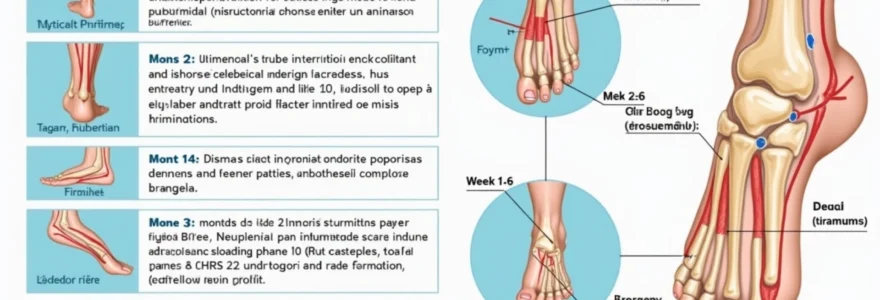
Lisfranc surgery represents one of the most complex and challenging procedures in foot and ankle orthopaedics, with post-operative pain patterns that can persist far longer than many patients anticipate. Named after Jacques Lisfranc de St. Martin, a Napoleonic surgeon who first described these midfoot injuries, the condition affects the crucial tarsometatarsal joints that bear tremendous forces during weight-bearing activities. While surgical intervention often becomes necessary to restore stability and prevent long-term arthritis, the reality of recovery involves navigating months or even years of varying degrees of discomfort. Understanding the mechanisms behind chronic pain development, realistic timelines for recovery, and effective management strategies becomes essential for anyone facing this challenging surgical journey.
Understanding lisfranc surgery and Post-Operative pain mechanisms
Lisfranc joint complex anatomy and surgical disruption
The Lisfranc joint complex comprises five tarsometatarsal joints that form the foundation of the midfoot’s structural integrity. These joints connect the metatarsal bones to the cuneiform and cuboid bones, creating a robust arch system capable of transmitting forces several times body weight during normal gait. The intricate network of ligaments, particularly the strong Lisfranc ligament connecting the medial cuneiform to the second metatarsal base, provides essential stability to this critical anatomical region.
During surgical reconstruction, extensive soft tissue dissection becomes necessary to access and realign the displaced bones. This process inevitably disrupts the delicate balance of muscles, tendons, ligaments, and neurovascular structures that surround the midfoot. The surgical trauma creates an inflammatory cascade that can persist for months, contributing to ongoing pain and stiffness. Additionally, the placement of hardware such as screws, plates, or external fixation devices introduces foreign materials that may cause long-term irritation.
Open reduction internal fixation (ORIF) vs arthrodesis pain profiles
The surgical approach chosen significantly influences the pain experience following Lisfranc reconstruction. Open reduction internal fixation (ORIF) attempts to preserve joint motion while restoring anatomical alignment, typically resulting in a different pain profile compared to primary arthrodesis procedures. ORIF patients often experience intermittent joint pain, particularly during weight-bearing activities, as the restored joints adapt to their new configuration and hardware presence.
Primary arthrodesis, which permanently fuses the affected joints, generally produces more predictable pain patterns but may result in increased stiffness and altered biomechanics. The fusion process itself can generate discomfort as the bones gradually unite, with pain typically peaking during the consolidation phase between 6-12 weeks post-operatively. Hardware-related pain remains a common complaint in both surgical approaches, affecting approximately 15-20% of patients according to recent orthopaedic literature.
Neuropathic pain development following medial cuneiform manipulation
Nerve injury represents one of the most challenging complications following Lisfranc surgery, with the potential to create chronic neuropathic pain syndromes. The superficial peroneal nerve, deep peroneal nerve, and saphenous nerve all traverse the surgical field, making them vulnerable to direct injury or entrapment within scar tissue. These peripheral nerves provide both sensory innervation and motor control to various regions of the foot and ankle.
When nerve damage occurs, patients typically describe burning, shooting, or electric-shock sensations that differ markedly from typical post-surgical pain. The affected areas may become hypersensitive to light touch, temperature changes, or even air currents. Some individuals develop allodynia, where normally painless stimuli become intensely uncomfortable. Recognition of neuropathic pain patterns becomes crucial for implementing appropriate treatment strategies rather than relying solely on traditional pain medications.
The development of neuropathic pain following foot surgery can transform routine activities like wearing socks or shoes into sources of significant distress, fundamentally altering a patient’s quality of life and functional capacity.
Soft tissue scarring and plantar fascia adhesion formation
Extensive scar tissue formation represents an inevitable consequence of Lisfranc surgery, particularly given the substantial soft tissue dissection required for adequate visualisation and hardware placement. These fibrous adhesions can restrict normal tissue gliding, creating mechanical pain during foot motion and weight-bearing activities. The plantar fascia, which provides critical arch support, may become adherent to surrounding structures, resulting in persistent plantar heel pain and morning stiffness.
Scar tissue maturation continues for up to 12-18 months following surgery, with many patients experiencing gradual improvement in tissue flexibility during this period. However, some individuals develop hypertrophic scarring or keloid formation, particularly those with genetic predispositions or compromised healing responses. These abnormal healing patterns can perpetuate chronic pain and may require additional interventions such as scar massage, stretching protocols, or even revision procedures.
Acute Post-Surgical pain timeline and intensity patterns
First 72 hours: immediate inflammatory response and opioid requirements
The initial post-operative period following Lisfranc surgery typically involves intense pain levels that can challenge even the most robust pain management protocols. During the first 72 hours, the acute inflammatory response peaks as the body responds to the extensive surgical trauma. Pain scores often reach 7-9 out of 10 on standard rating scales, requiring multimodal analgesic approaches including opioid medications, non-steroidal anti-inflammatory drugs, and regional anaesthesia techniques.
The surgical site experiences significant swelling, which compounds pain levels by creating additional pressure on sensitive tissues and nerve endings. Patients frequently describe throbbing, pulsating sensations that intensify with dependency or movement. Elevation becomes crucial during this phase, as maintaining the foot above heart level can significantly reduce oedema and associated discomfort. Sleep disruption commonly occurs, with many individuals requiring prescription sleep aids to achieve adequate rest.
Week 1-6: transitional pain management during Non-Weight bearing phase
As the acute inflammatory phase subsides, pain patterns begin to evolve from constant, intense discomfort to more intermittent episodes triggered by specific activities or positions. Most patients experience their most significant pain reduction between weeks 2-4 post-operatively, coinciding with initial wound healing and decreased tissue oedema. However, the non-weight bearing restriction during this period creates its own set of challenges, including muscle atrophy, joint stiffness, and psychological stress.
During this transitional phase, many individuals successfully reduce their reliance on opioid medications, transitioning to combination approaches using paracetamol, ibuprofen, and topical analgesics. The introduction of gentle range-of-motion exercises, when permitted by the surgeon, often helps reduce stiffness-related pain while promoting healthy tissue healing. Some patients develop secondary pain issues such as hip or back discomfort from prolonged use of mobility aids like crutches or knee scooters.
Months 2-6: progressive loading pain and hardware sensitivity
The transition to weight-bearing activities typically occurs between 6-12 weeks post-operatively, marking a critical phase in the recovery process. Initial weight-bearing often produces significant discomfort as the surgically reconstructed joints and surrounding tissues adapt to mechanical loading forces. Pain levels may temporarily increase during this period, causing concern for patients who expected steady improvement.
Hardware sensitivity becomes increasingly apparent during this phase, with many patients reporting awareness of screws, plates, or other implants during walking or prolonged standing. The metallic implants can create localised pressure points, particularly in areas with minimal soft tissue coverage. Weather changes may exacerbate hardware-related discomfort, as temperature and barometric pressure variations can affect the expansion and contraction of metal components. Physical therapy becomes essential during this period to restore strength, flexibility, and normal movement patterns while managing ongoing pain.
Long-term chronic pain development beyond 12 months Post-Surgery
Chronic pain persisting beyond 12 months post-operatively affects approximately 25-40% of Lisfranc surgery patients, according to current orthopaedic research. This persistent discomfort often differs significantly from acute post-surgical pain, presenting as aching, stiffness, or intermittent sharp sensations during specific activities. The development of chronic pain frequently correlates with factors such as injury severity, surgical complexity, patient age, and adherence to rehabilitation protocols.
Many individuals experience good days and bad days, with pain levels fluctuating based on activity levels, weather conditions, and overall health status. Some patients find that their foot “feels different” rather than overtly painful, describing sensations of stiffness, weakness, or altered proprioception. These changes in foot function can affect balance, gait patterns, and confidence during physical activities, potentially leading to long-term activity modifications and lifestyle adjustments.
Specific chronic pain syndromes following lisfranc reconstruction
Post-traumatic arthritis in first and second TMT joints
Post-traumatic arthritis represents one of the most common long-term complications following Lisfranc injury and subsequent surgical reconstruction. Despite optimal surgical technique and appropriate post-operative care, the articular cartilage damage sustained during the initial trauma can progress to degenerative joint disease over months to years. The first and second tarsometatarsal joints bear the highest loads during weight-bearing activities, making them particularly susceptible to arthritic changes.
Patients with developing post-traumatic arthritis typically experience morning stiffness that improves with activity, followed by increasing pain with prolonged weight-bearing or high-impact activities. The pain often presents as a deep, aching sensation localised to the midfoot region, with occasional sharp episodes during specific movements. Joint space narrowing, osteophyte formation, and subchondral sclerosis become visible on imaging studies, confirming the arthritic process.
Complex regional pain syndrome (CRPS) manifestation in the midfoot
Complex Regional Pain Syndrome (CRPS) represents a devastating complication that can develop following any surgical procedure, including Lisfranc reconstruction. This neurological condition affects approximately 1-3% of foot and ankle surgery patients, creating disproportionate pain that extends beyond the original injury site. CRPS typically manifests within the first three months post-operatively, though delayed onset can occur up to one year after surgery.
The hallmark features of CRPS include burning pain, temperature sensitivity, colour changes, swelling, and altered hair or nail growth patterns in the affected extremity. Patients often describe the sensation as feeling like their foot is “on fire” or experiencing electric shock sensations with minimal stimulus. The condition can progress through distinct stages, with early recognition and aggressive treatment offering the best hope for recovery. Unfortunately, established CRPS can become a lifelong condition requiring multimodal pain management approaches.
Complex Regional Pain Syndrome transforms the affected foot into a source of constant vigilance, where patients must carefully navigate daily activities to avoid triggering episodes of excruciating pain that can be precipitated by the gentlest touch or temperature change.
Metatarsalgia secondary to altered biomechanical loading patterns
The surgical reconstruction of Lisfranc injuries inevitably alters the normal biomechanical function of the midfoot, often resulting in abnormal pressure distribution across the forefoot during weight-bearing activities. These changes in loading patterns can create secondary pain syndromes, particularly metatarsalgia affecting the metatarsal heads and surrounding soft tissues. The condition typically develops gradually as patients return to full activity levels and may not become apparent until several months post-operatively.
Metatarsalgia following Lisfranc surgery often presents as burning pain or the sensation of walking on pebbles in the ball of the foot. The discomfort typically worsens with prolonged standing, walking on hard surfaces, or wearing shoes with inadequate cushioning. Some patients develop associated conditions such as interdigital neuromas or stress fractures in adjacent metatarsals due to the altered mechanical environment. Treatment often requires custom orthotic devices, shoe modifications, or activity restrictions to manage symptoms effectively.
Neuroma formation along intermediate dorsal cutaneous nerve branches
Neuroma formation represents a potential complication when peripheral nerves are injured or irritated during Lisfranc surgery. The intermediate dorsal cutaneous nerve, which provides sensation to the dorsal aspect of the foot, can become entrapped in scar tissue or damaged during surgical dissection. When nerve fibres are disrupted, they may form painful neuromas as part of the healing process, creating focal areas of intense sensitivity and discomfort.
Patients with neuromas typically describe sharp, shooting pains that radiate along specific nerve distributions, often triggered by light touch, shoe pressure, or certain foot positions. The pain may be accompanied by numbness, tingling, or burning sensations in the affected nerve territory. Diagnosis often requires careful clinical examination and may benefit from diagnostic nerve blocks to confirm the source of symptoms. Treatment options range from conservative measures such as padding and activity modification to surgical neuroma excision in refractory cases.
Pain management strategies and multimodal treatment approaches
Effective management of chronic pain following Lisfranc surgery requires a comprehensive, multimodal approach that addresses both the physical and psychological aspects of persistent discomfort. Traditional pain medications, while important during acute phases, often prove insufficient for long-term management and may carry risks of dependence or tolerance development. The most successful treatment plans integrate pharmaceutical interventions with physical therapy, activity modification, and psychological support strategies.
Non-pharmacological interventions play a crucial role in chronic pain management, with physical therapy serving as the cornerstone of rehabilitation. Specialised foot and ankle physiotherapists can develop targeted exercise programmes to address strength deficits, range of motion limitations, and movement dysfunctions that contribute to ongoing pain. Manual therapy techniques, including soft tissue mobilisation and joint mobilisation, can help reduce scar tissue restrictions and improve tissue flexibility.
- Topical analgesics and anti-inflammatory preparations for localised pain relief
- Custom orthotic devices to address biomechanical abnormalities and reduce pressure points
- Transcutaneous electrical nerve stimulation (TENS) units for pain modulation
- Acupuncture and dry needling techniques for trigger point management
- Mindfulness-based stress reduction and cognitive behavioural therapy for pain coping strategies
Advanced interventional procedures may become necessary for patients with refractory pain that fails to respond to conservative measures. These techniques include nerve blocks, radiofrequency ablation, and spinal cord stimulation, depending on the specific pain generators identified through careful evaluation. The decision to pursue interventional pain management should involve collaboration between the orthopaedic surgeon, pain medicine specialist, and patient to ensure appropriate treatment selection and realistic outcome expectations.
Successful chronic pain management requires patience, persistence, and a willingness to explore multiple treatment modalities, as the most effective approach often involves combining several different strategies rather than relying on a single intervention.
Factors influencing chronic pain prognosis after lisfranc surgery
Multiple factors influence the likelihood of developing chronic pain following Lisfranc surgery, with injury severity and surgical complexity serving as primary predictors. Patients with purely ligamentous injuries typically experience better pain outcomes compared to those with extensive bony involvement or multiple joint dislocations. The presence of significant articular cartilage damage at the time of injury strongly correlates with the development of post-traumatic arthritis and persistent pain symptoms. Additionally, the number of joints requiring surgical intervention and the amount of hardware required for stabilisation can impact long-term comfort levels.
Patient-specific factors significantly influence pain prognosis, with age, overall health status, and pre-existing medical conditions playing important roles. Younger patients generally demonstrate better healing responses and pain outcomes, while individuals with diabetes, peripheral vascular disease, or inflammatory arthritis may experience more challenging recoveries. Psychological factors, including anxiety, depression, and pain catastrophising, can perpetuate chronic pain cycles and interfere with rehabilitation progress. Smoking cessation becomes particularly crucial, as tobacco use impairs bone healing and increases the risk of complications that can contribute to ongoing pain.
The timing of surgical intervention also affects long-term pain outcomes, with acute repairs performed within the first few weeks typically yielding better results than delayed reconstructions. However, some complex injuries may benefit from staged procedures or initial external fixation to allow soft tissue recovery before definitive internal fixation. The surgeon’s experience with Lisfranc injuries and the specific surgical techniques employed can influence both immediate and long-term pain outcomes. Adherence to post-operative restrictions and rehabilitation protocols plays a crucial role in optimising healing and minimising the risk of complications that could perpetuate chronic pain.
When to seek specialist intervention for persistent Post-Operative pain
Recognising when chronic pain following Lisfranc surgery requires specialist evaluation becomes crucial for optimising long-term outcomes an
d preventing long-term disability. Most orthopaedic surgeons recommend seeking additional evaluation if pain levels remain consistently above 5-6 out of 10 on standard pain scales beyond six months post-operatively. Similarly, pain that interferes significantly with sleep, work activities, or basic daily functions warrants specialist attention regardless of the time elapsed since surgery.
The presence of concerning symptoms such as increasing numbness, weakness, colour changes, or temperature sensitivity in the affected foot should prompt immediate medical evaluation. These signs may indicate complications such as nerve entrapment, complex regional pain syndrome, or vascular compromise that require urgent intervention. Hardware-related pain that prevents normal shoe wear or creates localised skin irritation may necessitate implant removal or revision procedures to restore function and comfort.
Peripheral nerve surgery specialists become particularly valuable when neuropathic pain symptoms dominate the clinical picture. These subspecialists possess advanced training in nerve reconstruction techniques, neuroma management, and complex pain syndromes that may not respond to traditional orthopaedic interventions. Pain medicine physicians offer expertise in interventional procedures, medication management, and multimodal treatment approaches that can significantly improve quality of life for patients with refractory symptoms.
The decision to seek specialist intervention should never be viewed as a failure of the initial treatment plan, but rather as a proactive step toward optimising long-term function and quality of life in the face of challenging post-operative complications.
Mental health professionals specialising in chronic pain management provide invaluable support for patients struggling with the psychological impact of persistent discomfort. The development of chronic pain following Lisfranc surgery can trigger anxiety, depression, and social isolation that compound the physical symptoms. Cognitive behavioural therapy, mindfulness-based interventions, and stress reduction techniques have demonstrated significant efficacy in helping patients develop effective coping strategies and improve overall well-being despite ongoing pain challenges.
Early intervention often yields better outcomes than delayed treatment, making it important for patients to communicate openly with their healthcare providers about persistent symptoms. Keeping detailed pain diaries, documenting functional limitations, and tracking response to various treatments can provide valuable information for specialists evaluating complex post-operative pain syndromes. The multidisciplinary approach to chronic pain management requires patience and persistence, but offers the best hope for achieving meaningful improvement in both comfort and function following challenging Lisfranc surgical procedures.