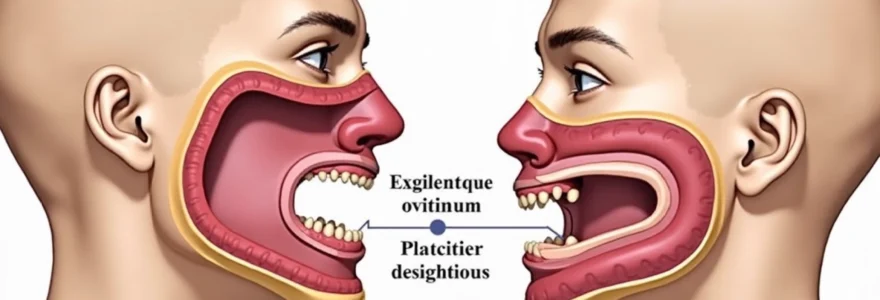
A clicking sensation in the throat during swallowing represents one of the most perplexing symptoms patients can experience. This audible phenomenon, medically recognised as laryngeal clicking or clicking larynx syndrome, affects individuals across all age groups and can significantly impact quality of life. The distinctive sound occurs when anatomical structures within the throat create friction or displacement during the complex process of deglutition. Understanding the underlying mechanisms behind throat clicking requires examining the intricate relationship between cartilaginous structures, muscular coordination, and neurological control systems that govern swallowing function.
The throat clicking phenomenon often accompanies other swallowing difficulties, creating a constellation of symptoms that can be both distressing and diagnostically challenging. While some individuals experience isolated clicking sounds without associated discomfort, others develop concurrent symptoms such as pain, tenderness, or the sensation of something being stuck in their throat. The complexity of this condition stems from the numerous anatomical structures involved in swallowing and the delicate coordination required for normal deglutition to occur.
Anatomical structures involved in throat clicking during deglutition
The human swallowing mechanism involves an intricate choreography of anatomical structures working in precise coordination. When this harmony is disrupted, clicking sounds can emerge as cartilaginous and bony elements interact abnormally during the swallowing process. The laryngeal framework, comprising multiple cartilages suspended by ligaments and controlled by an array of muscles, forms the foundation for understanding throat clicking phenomena.
Hyoid bone movement and cartilaginous framework dynamics
The hyoid bone serves as a crucial anchor point for numerous muscles involved in swallowing, and its movement during deglutition can sometimes produce audible clicking sounds. This horseshoe-shaped bone, unique in being the only bone in the human body not directly articulated with another bone, relies on muscular attachments for stability and movement. During normal swallowing, the hyoid bone elevates and moves anteriorly, facilitating the opening of the upper oesophageal sphincter and protecting the airway.
When the greater cornu of the hyoid bone becomes enlarged or when there is abnormal contact between the hyoid and adjacent structures, clicking sounds may occur. The interaction between the hyoid bone and the thyroid cartilage can be particularly problematic when the normal anatomical relationships are altered due to structural abnormalities, inflammation, or muscular dysfunction.
Laryngeal cartilage displacement during swallowing mechanism
The thyroid cartilage, being the largest cartilage of the larynx, plays a pivotal role in throat clicking phenomena. Displacement of the cornu superior (upper horn) of the thyroid cartilage represents one of the most commonly identified causes of clicking larynx syndrome. This displacement can occur due to trauma, developmental variations, or degenerative changes that affect the normal positioning of these structures.
The interaction between the thyroid cartilage and surrounding structures during swallowing creates a complex biomechanical system. When the distance between the thyroid cartilage and hyoid bone becomes shortened, or when there is abnormal contact between these structures, clicking sounds can result from the friction or sudden release of tension during movement.
Epiglottis position changes and arytenoid cartilage function
The epiglottis and arytenoid cartilages contribute to throat clicking through their roles in airway protection and vocal fold positioning. During swallowing, the epiglottis undergoes dramatic positional changes, folding backward to cover the laryngeal inlet. When this movement is compromised or when there is abnormal contact between the epiglottis and surrounding structures, clicking sounds may occur.
Arytenoid cartilage dysfunction can also contribute to throat clicking phenomena. These paired cartilages, responsible for vocal fold adduction and abduction, may create abnormal sounds when their movement is restricted or when there is asymmetrical function between the left and right arytenoids.
Cricoid cartilage role in pharyngeal sound production
The cricoid cartilage, forming a complete ring around the airway, serves as the foundation of the laryngeal framework. Its relationship with the thyroid cartilage above and the tracheal rings below creates potential sites for clicking sound generation. When the cricoarytenoid joints become stiff or when there is abnormal movement of the cricoid cartilage during swallowing, audible phenomena may result.
The cricoid cartilage’s role in maintaining laryngeal stability during swallowing means that any disruption to its normal function can have cascading effects on the entire swallowing mechanism. This can lead to compensatory movements in other structures, potentially creating the conditions necessary for clicking sound production.
Pathological conditions causing audible clicking phenomena
Various pathological conditions can disrupt normal swallowing mechanics and create the circumstances necessary for throat clicking to occur. These conditions range from inflammatory processes affecting the mucosa to structural abnormalities that alter the normal anatomical relationships between laryngeal structures. Understanding these underlying pathologies is essential for developing appropriate treatment strategies and providing patients with accurate prognoses.
Laryngopharyngeal reflux disease and mucosal inflammation
Laryngopharyngeal reflux (LPR) represents a significant contributor to throat clicking phenomena through its effects on mucosal inflammation and tissue swelling. Unlike gastroesophageal reflux disease, LPR specifically affects the larynx and pharynx, creating conditions that can alter normal swallowing mechanics. The inflammatory response triggered by acid exposure can lead to tissue thickening, altered surface tension, and changes in the normal gliding motion of laryngeal structures.
Chronic inflammation from LPR can affect the mobility of laryngeal cartilages and alter the normal coordination of swallowing muscles. The presence of thick, tenacious secretions often associated with LPR can create additional friction between moving structures, contributing to the generation of clicking sounds during deglutition.
Eagle syndrome and elongated styloid process complications
Eagle syndrome, characterised by an elongated or calcified styloid process, can create mechanical interference with normal swallowing function and contribute to throat clicking. The styloid process, normally measuring 2-3 centimetres in length, can become pathologically elongated and create abnormal contact with surrounding structures during swallowing movements.
The elongated styloid process can impinge upon the hyoid bone, thyroid cartilage, or pharyngeal muscles, creating mechanical clicking sounds during deglutition. This condition often presents with associated symptoms including throat pain, foreign body sensation, and referred ear pain, making it a complex clinical entity that requires careful evaluation.
Zenker’s diverticulum and pharyngeal pouch formation
Zenker’s diverticulum , a pharyngeal pouch that develops through a weakness in the pharyngeal wall, can contribute to throat clicking through its effects on normal swallowing coordination. The presence of this outpouching creates altered pressure dynamics within the pharynx and can lead to abnormal movement patterns of laryngeal structures during swallowing.
The diverticulum can fill with food particles and secretions, creating additional bulk that interferes with normal laryngeal elevation and movement. This interference can result in compensatory movements that produce audible clicking sounds as structures attempt to accommodate the altered anatomy.
Cricopharyngeal spasm and upper oesophageal sphincter dysfunction
Dysfunction of the cricopharyngeal muscle, which forms the upper oesophageal sphincter, can create conditions conducive to throat clicking phenomena. When this muscle fails to relax appropriately during swallowing or when it exhibits spastic behaviour, the resulting coordination problems can affect the entire laryngeal complex.
Cricopharyngeal spasm can create increased tension within the laryngeal framework, leading to abnormal contact between cartilaginous structures and the generation of clicking sounds. The muscle’s attachment to the cricoid cartilage means that spastic activity can directly influence laryngeal position and movement during swallowing.
Thyroid cartilage subluxation and structural abnormalities
Subluxation or partial dislocation of the thyroid cartilage represents a direct mechanical cause of throat clicking. This condition can result from trauma, sudden forceful movements, or degenerative changes that affect the stability of laryngeal structures. When the thyroid cartilage becomes displaced from its normal position, it can create abnormal contact with adjacent structures during swallowing.
Structural abnormalities such as asymmetrical development of laryngeal cartilages or variations in the size and shape of anatomical components can predispose individuals to clicking phenomena. These developmental variations may not become symptomatic until later in life when degenerative changes or other factors tip the balance toward symptomatic clicking.
Neurological disorders affecting swallowing coordination
The neurological control of swallowing involves multiple levels of the nervous system, from cortical areas responsible for voluntary initiation to brainstem centres that coordinate the automatic phases of deglutition. When neurological disorders disrupt this complex control system, the resulting coordination problems can manifest as clicking sounds during swallowing, often accompanied by other signs of dysphagia.
Vagus nerve dysfunction and cranial nerve X pathology
The vagus nerve plays a crucial role in swallowing coordination through its innervation of pharyngeal and laryngeal muscles. When vagal function is compromised due to injury, disease, or surgical intervention, the resulting muscular weakness or incoordination can create conditions favourable for throat clicking. The recurrent laryngeal branch of the vagus nerve is particularly important for laryngeal muscle function and vocal fold mobility.
Vagal neuropathy can lead to asymmetrical muscle function within the larynx, creating imbalanced forces that result in abnormal movement patterns and potential clicking sounds. The superior laryngeal nerve, another branch of the vagus, innervates the cricothyroid muscle, and its dysfunction can affect laryngeal tension and positioning during swallowing.
Myasthenia gravis impact on pharyngeal muscle coordination
Myasthenia gravis , an autoimmune condition affecting neuromuscular transmission, can significantly impact swallowing coordination and contribute to throat clicking phenomena. The fatigability characteristic of this condition means that swallowing function may deteriorate throughout the day or with repeated swallowing attempts, leading to increasingly abnormal coordination patterns.
The weakness and easy fatigability associated with myasthenia gravis can affect the precise timing required for normal laryngeal movement during swallowing. This disrupted timing can result in inappropriate contact between structures that would normally move in coordinated fashion, creating the mechanical conditions necessary for clicking sound generation.
Parkinson’s disease and bradykinetic swallowing patterns
Parkinson’s disease affects swallowing through multiple mechanisms, including bradykinesia (slowness of movement), rigidity, and tremor. These motor symptoms can significantly alter the normal timing and coordination of swallowing, potentially leading to throat clicking phenomena. The bradykinetic swallowing pattern characteristic of Parkinson’s disease involves reduced amplitude and velocity of movement, which can create abnormal contact patterns between laryngeal structures.
The rigidity associated with Parkinson’s disease can affect the flexibility and mobility of laryngeal cartilages, making them more prone to creating friction and clicking sounds during movement. Additionally, the reduced coordination between different phases of swallowing can lead to compensatory movements that generate audible phenomena.
Stroke-related dysphagia and neurogenic clicking sounds
Stroke can affect swallowing function through damage to cortical areas involved in swallowing initiation and coordination, or through brainstem lesions that affect the central pattern generators for swallowing. The resulting dysphagia often includes altered timing and coordination of laryngeal movements, which can contribute to throat clicking phenomena.
Post-stroke changes in muscle tone and coordination can create abnormal movement patterns within the larynx and pharynx. These altered patterns may involve excessive or inappropriate muscle activation that leads to abnormal contact between structures and the generation of clicking sounds during attempted swallowing.
Muscular dysfunction and biomechanical abnormalities
The intricate muscular system controlling laryngeal and pharyngeal function during swallowing relies on precise coordination and appropriate muscle tone for optimal performance. When muscular dysfunction occurs, whether due to weakness, spasticity, or incoordination, the resulting biomechanical abnormalities can create the conditions necessary for throat clicking phenomena to develop.
Muscle imbalances within the laryngeal framework can lead to asymmetrical forces acting on cartilaginous structures, potentially causing subluxation or abnormal contact during swallowing movements. The suprahyoid and infrahyoid muscles, which control hyoid bone movement, must work in precise coordination to achieve normal laryngeal elevation and anterior movement during swallowing. When this coordination is disrupted, clicking sounds may result from abnormal interactions between the hyoid bone and adjacent structures.
Fibrotic changes within laryngeal muscles, whether due to age-related degeneration, previous trauma, or inflammatory conditions, can alter the normal biomechanics of swallowing and contribute to throat clicking. These changes can affect muscle compliance and coordination, leading to compensatory movement patterns that generate audible phenomena. The intrinsic laryngeal muscles, responsible for vocal fold positioning and laryngeal valve function, may develop imbalances that affect overall laryngeal stability during swallowing.
Biomechanical factors such as altered pharyngeal pressure generation, modified laryngeal elevation patterns, or changes in the timing of upper oesophageal sphincter opening can all contribute to conditions favourable for clicking sound production. These factors often interact in complex ways, making it challenging to identify single causative mechanisms in many patients presenting with throat clicking symptoms.
Diagnostic approaches for throat clicking assessment
Comprehensive evaluation of throat clicking phenomena requires a systematic approach incorporating clinical history, physical examination, and specialised instrumental assessments. The diagnostic process begins with detailed symptom characterisation, including the timing of clicking sounds relative to swallowing phases, associated symptoms, and factors that exacerbate or alleviate the condition. Understanding the patient’s medical history, including previous throat surgeries, trauma, or neurological conditions, provides crucial context for diagnostic considerations.
Physical examination should include palpation of the neck structures during swallowing to identify areas of tenderness, unusual movement, or palpable clicking sensations. Visualisation of laryngeal structures through flexible laryngoscopy allows direct observation of vocal fold mobility, laryngeal symmetry, and any structural abnormalities that might contribute to clicking phenomena. This examination can often reveal subtle asymmetries or movement abnormalities that are not apparent through history and physical examination alone.
Instrumental swallowing assessments, such as videofluoroscopic swallow studies or fibreoptic endoscopic evaluation of swallowing, provide dynamic visualisation of swallowing function and can help identify the precise mechanisms underlying throat clicking. These studies allow clinicians to observe the timing and coordination of swallowing events, identify structural abnormalities, and assess the safety and efficiency of swallowing function.
Advanced imaging modalities, including high-resolution computed tomography or magnetic resonance imaging, may be necessary to evaluate complex structural abnormalities such as Eagle syndrome or to assess the relationship between various anatomical structures. These imaging studies can provide detailed information about cartilage positioning, bone morphology, and soft tissue characteristics that may contribute to clicking phenomena.
Accurate diagnosis of throat clicking requires correlation between subjective symptoms, objective findings, and instrumental assessment results to develop appropriate treatment strategies.
Electromyographic assessment of swallowing muscles may be indicated in cases where neuromuscular dysfunction is suspected as the underlying cause of throat clicking. This specialised testing can provide information about muscle activation patterns, timing, and coordination that may not be apparent through other diagnostic modalities.
Treatment modalities and clinical management strategies
Treatment approaches for throat clicking depend heavily on the underlying aetiology and the severity of associated symptoms. Conservative management strategies often represent the first line of treatment, particularly when clicking sounds are not associated with significant functional impairment or discomfort. These approaches may include dietary modifications, swallowing technique adjustments, and exercises designed to improve coordination and reduce abnormal contact between structures.
Speech and language therapy plays a crucial role in managing throat clicking phenomena, particularly when the condition is associated with swallowing difficulties or when conservative approaches are appropriate. Therapeutic interventions may include specific swallowing exercises, postural modifications during eating and drinking, and techniques to improve laryngeal coordination and reduce clicking sounds. Swallowing rehabilitation programmes can be particularly effective when
targeting specific neuromuscular patterns associated with clicking phenomena.
Pharmacological interventions may be appropriate in certain cases, particularly when underlying conditions such as laryngopharyngeal reflux or muscle spasticity contribute to throat clicking. Proton pump inhibitors can be effective in managing acid-related mucosal inflammation, while muscle relaxants may help reduce spasticity in cases where neurological conditions contribute to abnormal muscle coordination. Anti-inflammatory medications may provide symptomatic relief when inflammation contributes to structural changes that promote clicking sounds.
Surgical intervention becomes necessary when conservative measures fail to provide adequate relief or when structural abnormalities require direct correction. The specific surgical approach depends on the identified underlying cause, ranging from minimally invasive procedures to more complex reconstructive interventions. For cases involving displaced thyroid cartilage or enlarged hyoid bone components, targeted surgical correction can provide definitive relief from clicking symptoms.
Cornu superior thyroidectomy represents a specific surgical procedure for addressing displaced upper horns of the thyroid cartilage that contribute to clicking phenomena. This procedure involves careful removal or repositioning of the problematic cartilaginous structure while preserving surrounding anatomical relationships and functional capacity. Success rates for this intervention are generally high when appropriate patient selection criteria are met.
Hyoid bone modification procedures may be indicated when enlarged greater cornua contribute to clicking sounds through abnormal contact with adjacent structures. These procedures require careful consideration of potential functional implications, as the hyoid bone plays crucial roles in swallowing and speech production. Partial reduction of hyoid bone components can provide symptom relief while maintaining essential functional capabilities.
Treatment success for throat clicking phenomena requires accurate identification of underlying causes and individualised therapeutic approaches based on patient-specific factors and symptom severity.
Injection therapies, including botulinum toxin administration, may be beneficial in cases where muscle spasticity or excessive muscle tension contributes to throat clicking. These treatments can provide temporary relief while allowing time for rehabilitation interventions to take effect or serve as diagnostic tools to confirm the role of specific muscle groups in symptom generation. The targeted nature of injection therapies makes them particularly valuable for addressing localised muscular dysfunction.
Voice therapy techniques, while primarily designed for voice disorders, can be adapted to address throat clicking phenomena by improving laryngeal coordination and reducing abnormal tension patterns. These approaches focus on optimising breath support, laryngeal positioning, and muscle coordination during phonation and swallowing activities. The holistic nature of voice therapy can provide benefits beyond simple symptom reduction by improving overall laryngeal function.
Multidisciplinary management approaches often provide the most comprehensive care for patients with complex throat clicking phenomena. Teams may include otolaryngologists, speech-language pathologists, gastroenterologists, neurologists, and other specialists depending on underlying contributing factors. This collaborative approach ensures that all potential causative factors are addressed and that treatment interventions are properly coordinated.
Patient education plays a vital role in successful management of throat clicking phenomena, helping individuals understand their condition and actively participate in treatment decisions. Understanding the benign nature of many clicking sounds can provide significant psychological relief for patients who may fear serious underlying pathology. Education about proper swallowing techniques, dietary modifications, and when to seek additional medical attention empowers patients to take an active role in their care.
Long-term monitoring and follow-up care are essential components of throat clicking management, particularly given the potential for symptom evolution and the need for treatment adjustment over time. Regular assessment allows healthcare providers to evaluate treatment effectiveness, identify emerging complications, and modify therapeutic approaches as needed. The chronic nature of some underlying conditions requires ongoing vigilance to maintain optimal symptom control and functional capacity.
Prognosis for throat clicking phenomena varies considerably depending on the underlying cause and the promptness of appropriate intervention. Cases related to structural abnormalities often respond well to targeted surgical correction, while those associated with neurological conditions may require ongoing management to maintain optimal function. Early recognition and appropriate treatment generally lead to better outcomes and reduced risk of secondary complications such as aspiration or nutritional compromise.
What makes throat clicking particularly challenging from a clinical perspective is the wide range of potential underlying causes and the need for individualised diagnostic and therapeutic approaches? The complexity of the swallowing mechanism and the numerous anatomical structures involved mean that thorough evaluation is essential for identifying appropriate treatment strategies and achieving optimal patient outcomes.
Prevention strategies for throat clicking phenomena focus primarily on addressing modifiable risk factors and maintaining optimal laryngeal health. These may include acid reflux management, avoiding trauma to the neck region, maintaining adequate hydration, and seeking prompt treatment for conditions that may secondarily affect swallowing function. While not all causes of throat clicking are preventable, proactive healthcare can reduce the risk of developing some contributing conditions.