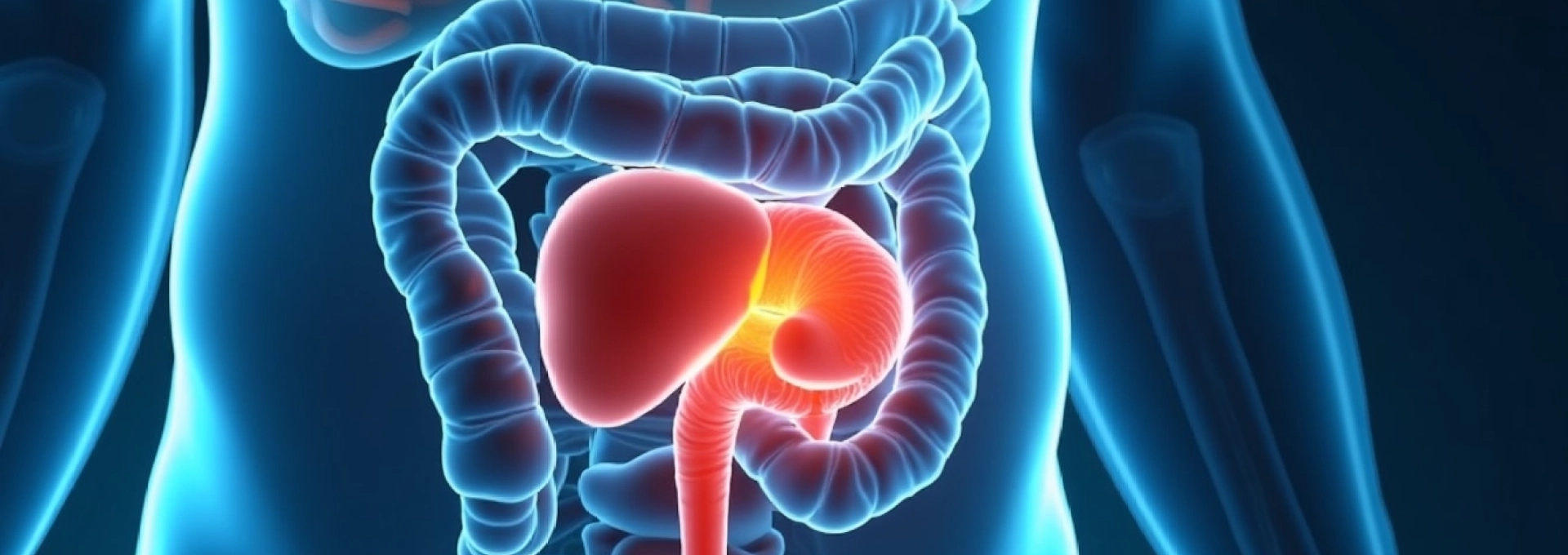
Experiencing dizziness following gallbladder removal surgery, known medically as cholecystectomy, represents a perplexing yet increasingly recognised postoperative complication that affects a significant minority of patients. While traditional medical literature has often dismissed vestibular symptoms as unrelated to gallbladder surgery, emerging clinical evidence and patient testimonies suggest a more complex relationship between biliary tract procedures and balance disorders. The phenomenon challenges conventional understanding of postcholecystectomy complications, extending beyond the commonly acknowledged digestive symptoms to encompass neurological manifestations that can persist for months or even years following surgery.
Contemporary surgical practices, particularly the widespread adoption of laparoscopic techniques, have introduced new variables into the equation of postoperative recovery. The intricate interplay between surgical positioning, anaesthetic agents, and physiological adaptations creates a multifaceted environment where vestibular dysfunction can emerge. Understanding these mechanisms becomes crucial for both medical professionals and patients navigating the complexities of post-surgical recovery, particularly when traditional diagnostic approaches may overlook the connection between biliary surgery and balance disturbances.
Laparoscopic cholecystectomy complications and Post-Operative vestibular dysfunction
The relationship between laparoscopic cholecystectomy and subsequent vestibular dysfunction encompasses multiple physiological pathways that extend far beyond the immediate surgical site. Modern minimally invasive techniques, while offering significant advantages in terms of recovery time and cosmetic outcomes, introduce unique stressors to the body’s equilibrium systems that weren’t present in traditional open surgical approaches.
Carbon dioxide insufflation effects on inner ear pressure regulation
During laparoscopic cholecystectomy, surgeons routinely insufflate the peritoneal cavity with carbon dioxide to create a working space and improve visualisation of anatomical structures. This process, known as pneumoperitoneum, can generate intra-abdominal pressures ranging from 12-15 mmHg, significantly altering the body’s pressure dynamics. The physiological cascade that follows affects multiple organ systems, including the delicate pressure-sensitive structures within the inner ear.
Carbon dioxide absorption into the bloodstream during prolonged insufflation can lead to respiratory acidosis, albeit typically mild and transient. However, this alteration in blood pH and gas composition can affect the vestibular organs’ ionic balance, particularly the endolymphatic fluid that maintains spatial orientation. The semicircular canals and otolith organs rely on precise ionic gradients to function correctly, and even subtle disruptions can manifest as dizziness, vertigo, or balance instability.
Furthermore, the mechanical pressure from pneumoperitoneum can compress major blood vessels, including the inferior vena cava, leading to reduced venous return and subsequent alterations in cerebral perfusion pressure. This haemodynamic instability, while usually well-tolerated in healthy patients, can contribute to postoperative vestibular symptoms, particularly in individuals with pre-existing vascular compromise or age-related changes in cerebrovascular autoregulation.
Pneumoperitoneum-induced vagus nerve stimulation and balance disorders
The pneumoperitoneum created during laparoscopic surgery exerts significant mechanical stress on the vagus nerve, a crucial component of the parasympathetic nervous system that maintains complex connections with vestibular processing centres in the brainstem. Vagal stimulation during surgery can trigger a cascade of neurophysiological responses that extend well beyond the immediate perioperative period.
Research indicates that sustained vagal activation can influence the vestibular nuclei complex in the medulla, which serves as the primary processing centre for balance-related sensory information. This stimulation can disrupt the normal integration of visual, proprioceptive, and vestibular inputs, leading to conflicting sensory messages that the brain interprets as dizziness or spatial disorientation.
The vagus nerve’s extensive innervation of gastrointestinal structures means that gallbladder removal fundamentally alters the neural feedback loops that have developed over decades. This disruption can persist long after surgical healing is complete, as the nervous system requires time to recalibrate its processing algorithms in the absence of gallbladder-related sensory input.
Trendelenburg position impact on cerebral blood flow during surgery
Laparoscopic cholecystectomy typically requires patients to be positioned in a reverse Trendelenburg position, with the head elevated and feet lowered to optimise visualisation of the hepatobiliary triangle. This positioning, combined with pneumoperitoneum, can significantly alter cerebral blood flow patterns and intracranial pressure dynamics during the surgical procedure.
The combination of elevated head positioning and increased intra-abdominal pressure can compromise venous drainage from the brain, particularly through the jugular venous system. This physiological stress can lead to subtle but significant changes in cerebrospinal fluid circulation and pressure, affecting the vestibular organs that are intimately connected to the brain’s fluid compartments.
Additionally, the duration of surgery plays a critical role in determining the extent of these physiological alterations. Procedures lasting longer than 90 minutes, particularly those involving complex dissection or unexpected complications, expose patients to prolonged periods of altered cerebral perfusion that may have lasting effects on vestibular function.
General anaesthesia residual effects on vestibular system function
Modern anaesthetic agents, while remarkably safe and effective, can have lingering effects on the central nervous system that extend well beyond the immediate recovery period. Propofol, sevoflurane, and other commonly used agents during laparoscopic cholecystectomy can alter neurotransmitter balance and neural membrane excitability for days or weeks following surgery.
The vestibular system’s reliance on precise neurochemical signalling makes it particularly vulnerable to these subtle but persistent anaesthetic effects. GABA-mediated inhibition, which is enhanced by most general anaesthetics, can remain elevated in certain brain regions, potentially dampening vestibular responses and contributing to balance disorders.
The vestibular system requires exquisite neurochemical precision to maintain spatial orientation, and even subtle disruptions from anaesthetic agents can manifest as persistent dizziness or balance instability in susceptible individuals.
Bile acid malabsorption syndrome and neurological manifestations
Following gallbladder removal, the body’s ability to store and regulate bile acid release becomes fundamentally altered, leading to a continuous flow of bile from the liver directly into the small intestine. This anatomical change creates a cascade of metabolic adaptations that can profoundly impact neurological function through multiple interconnected pathways.
Chenodeoxycholic acid deficiency impact on GABA neurotransmitter synthesis
Chenodeoxycholic acid, one of the primary bile acids stored in the gallbladder, plays a crucial but often overlooked role in neurological function beyond its digestive properties. This bile acid serves as a precursor for various neurosteroid compounds that modulate GABA neurotransmitter activity throughout the central nervous system, including regions responsible for vestibular processing and spatial orientation.
Without the gallbladder’s concentrating and storage capacity, the steady-state levels of chenodeoxycholic acid become significantly altered. The continuous trickling of diluted bile into the intestine, rather than the coordinated release of concentrated bile following meals, can lead to suboptimal bile acid profiles that affect neurosteroid synthesis. This biochemical disruption can manifest as vestibular instability , particularly during periods of dietary fat intake when bile acid demand is highest.
The relationship between bile acid metabolism and GABA function becomes particularly relevant when considering that GABA serves as the primary inhibitory neurotransmitter in the vestibular nuclei. Disrupted GABA signalling can lead to hyperexcitability of vestibular pathways, resulting in symptoms ranging from mild dizziness to severe vertigo with associated nausea and spatial disorientation.
Microbiome dysbiosis following cholecystectomy and serotonin production
The removal of the gallbladder fundamentally alters the intestinal environment through changes in bile acid composition, concentration, and timing of delivery. These modifications create conditions that favour certain bacterial populations while suppressing others, leading to significant shifts in the gut microbiome that can have far-reaching neurological consequences.
Approximately 90% of the body’s serotonin is produced in the intestinal tract by specific bacterial species and enterochromaffin cells. The altered bile acid environment following cholecystectomy can disrupt these serotonin-producing communities, leading to decreased peripheral serotonin synthesis. Since serotonin serves as a crucial neurotransmitter in vestibular processing and motion sickness prevention, these reductions can directly contribute to balance disorders and dizziness.
The gut-brain axis, mediated through vagal pathways and systemic circulation of microbial metabolites, provides a direct communication channel between intestinal dysbiosis and central vestibular function. Dysregulated serotonin signalling can affect both peripheral vestibular organ sensitivity and central processing of balance-related information, creating a complex symptom profile that may not respond to conventional vestibular rehabilitation approaches.
Fat-soluble vitamin malabsorption and B12 deficiency vertigo
Cholecystectomy can significantly impair the absorption of fat-soluble vitamins (A, D, E, and K) as well as vitamin B12, creating nutritional deficiencies that directly impact neurological function. The absence of concentrated bile release during meals reduces the emulsification efficiency necessary for optimal fat-soluble vitamin absorption, while altered gastric pH and intrinsic factor activity can affect B12 uptake.
Vitamin B12 deficiency, even in subclinical forms, can cause significant vestibular dysfunction through its effects on myelin synthesis and maintenance. The vestibular nerve and central processing pathways rely on intact myelin sheaths for optimal signal transmission, and B12 deficiency can lead to demyelination that manifests as persistent dizziness, balance instability, and spatial disorientation.
Additionally, vitamin D deficiency following cholecystectomy can contribute to vestibular dysfunction through its effects on calcium homeostasis and muscle function. The vestibular system’s reliance on precise calcium signalling for otolith organ function means that even subtle alterations in calcium metabolism can have profound effects on balance and spatial orientation capabilities.
Postcholecystectomy syndrome and autonomic nervous system dysfunction
Postcholecystectomy syndrome encompasses a constellation of symptoms that persist or develop following gallbladder removal, extending far beyond the commonly recognised digestive complaints. The syndrome’s neurological manifestations, including dizziness and balance disorders, reflect the complex interplay between autonomic nervous system dysfunction and altered gastrointestinal physiology.
The removal of the gallbladder disrupts established neural feedback loops that have developed over decades of coordinated digestive function. This disruption can lead to autonomic imbalance, characterised by altered sympathetic and parasympathetic tone that affects cardiovascular regulation, particularly orthostatic blood pressure control. The resulting orthostatic intolerance can manifest as position-related dizziness that patients and healthcare providers may not immediately connect to the gallbladder surgery.
Autonomic nervous system recalibration following major digestive tract surgery can take months to years, during which time patients may experience persistent vestibular symptoms that traditional medical approaches often fail to recognise or adequately address.
Pharmaceutical interventions and Medication-Induced equilibrium disorders
The pharmacological management of post-cholecystectomy patients involves multiple medication classes, each with the potential to influence vestibular function through direct and indirect mechanisms. Understanding these drug-related contributions to dizziness becomes essential for developing comprehensive treatment approaches that address both symptom management and underlying causes.
Opioid analgesics and vestibular suppression mechanisms
Postoperative pain management following cholecystectomy typically relies on opioid analgesics, which can significantly impact vestibular function through multiple neurological pathways. Opioids bind to μ-opioid receptors throughout the central nervous system, including high-density regions within the vestibular nuclei complex, leading to direct suppression of balance-related neural activity.
The vestibular suppression caused by opioids can persist well beyond the expected pharmacokinetic elimination of these drugs. Chronic opioid exposure, even for relatively brief periods following surgery, can lead to adaptive changes in receptor density and neurotransmitter release patterns that may take weeks or months to normalise. This neuroplastic adaptation can result in persistent dizziness and balance instability long after pain levels have returned to baseline.
Furthermore, opioid-induced constipation, a common side effect in post-surgical patients, can exacerbate vestibular symptoms through increased intra-abdominal pressure and altered vagal signalling. The mechanical effects of severe constipation can compress major blood vessels and influence cerebrospinal fluid circulation, creating additional pathways for vestibular dysfunction.
Antiemetic medications impact on central vestibular processing
Nausea and vomiting represent common complications following laparoscopic cholecystectomy, leading to routine prophylactic or therapeutic use of antiemetic medications. These drugs, while effective for their intended purpose, can have significant effects on central vestibular processing that may contribute to persistent dizziness.
Ondansetron and other 5-HT3 receptor antagonists commonly used for postoperative nausea can affect serotonin signalling in the vestibular nuclei, potentially leading to altered processing of motion-related sensory information. The drug’s effects on serotonin receptors extend beyond the chemoreceptor trigger zone, influencing neural circuits involved in spatial orientation and balance maintenance.
Metoclopramide, another frequently prescribed antiemetic, acts as a dopamine receptor antagonist with the potential to cause extrapyramidal side effects that can include balance disorders and movement abnormalities. These effects can be particularly problematic in elderly patients or those with pre-existing neurological conditions, creating long-lasting vestibular complications that may not be immediately recognised as medication-related.
Proton pump inhibitor therapy and magnesium depletion dizziness
Post-cholecystectomy patients frequently receive proton pump inhibitor (PPI) therapy to manage acid-related symptoms and protect against potential peptic ulcer disease. However, chronic PPI use can lead to significant magnesium depletion through impaired intestinal absorption, creating conditions that directly contribute to vestibular dysfunction.
Magnesium serves as a crucial cofactor in numerous enzymatic reactions involved in neural signal transmission, including those within the vestibular system. Hypomagnesaemia can lead to increased neuronal excitability and altered calcium channel function, resulting in vestibular hyperactivity that manifests as persistent dizziness, vertigo, and balance instability.
The relationship between PPI-induced magnesium depletion and vestibular dysfunction becomes particularly relevant given that many patients continue these medications long-term following cholecystectomy. The gradual onset of magnesium deficiency symptoms can make the connection to medication use difficult to establish, leading to prolonged periods of undiagnosed and untreated vestibular dysfunction.
Nsaid-related inner ear ototoxicity following gallbladder surgery
Non-steroidal anti-inflammatory drugs (NSAIDs) represent a cornerstone of multimodal pain management following laparoscopic cholecystectomy, offering effective analgesia while potentially reducing opioid requirements. However, these medications carry inherent risks of ototoxicity that can contribute to vestibular dysfunction, particularly when used at high doses or for extended periods.
The mechanism of NSAID-induced ototoxicity involves disruption of prostaglandin synthesis within the inner ear, leading to altered cochlear and vestibular blood flow. The resulting ischaemic environment can damage sensitive hair cells and neural pathways responsible for balance maintenance, creating symptoms that may not manifest until days or weeks following drug exposure.
Ibuprofen, diclofenac, and other commonly prescribed NSAIDs can cause reversible or permanent vestibular dysfunction, depending on dose, duration, and individual susceptibility factors. The risk becomes particularly elevated in patients with pre-existing kidney disease or dehydration, conditions that may be present following major abdominal surgery and prolonged perioperative fasting.
Metabolic adaptations and glucose homeostasis disruption Post-Cholecystectomy
The removal of the gallbladder fundamentally alters glucose metabolism through multiple interconnected pathways that extend far beyond simple digestive changes. The gallbladder’s role in coordinated bile release following meals serves as a crucial signal in the complex hormonal cascade that regulates postprandial glucose homeostasis, and its absence can create lasting metabolic disruptions that contribute to vestibular dysfunction.
Following cholecystectomy, patients often experience altered glucose absorption patterns due to changes in bile acid availability and timing. The continuous trickling of diluted bile, rather than concentrated postprandial release, can lead to suboptimal fat emulsification and altered incretin hormone secretion. This disruption affects glucagon-like peptide-1 (GLP-1) and glucose-dependent insulinotropic polypeptide (GIP) release, creating glucose variability that can manifest as dizziness, particularly during periods between meals.
The vestibular system’s high metabolic demands make it particularly vulnerable to glucose fluctuations. Inner ear structures rely on consistent glucose delivery for optimal function, and even subtle variations in blood glucose levels can affect vestibular hair cell activity and neural transmission. Post-cholecystectomy patients may experience glucose swings that, while not severe enough to cause obvious hypoglycemic symptoms, can still trigger vestibular instability and balance disorders.
Additionally, the altered bile acid profile following gallbladder removal can influence hepatic glucose production through effects on farnesoid X receptor (FXR) signaling pathways. This nuclear receptor plays a crucial role in glucose and lipid metabolism, and its disruption can lead to insulin resistance and metabolic dysfunction that contributes to neurological symptoms, including persistent dizziness and cognitive difficulties.
Metabolic adaptations following cholecystectomy can take 6-12 months to stabilize, during which time glucose homeostasis disruptions may contribute significantly to vestibular symptoms that patients and healthcare providers often fail to connect to the surgical procedure.
Diagnostic protocols for Post-Surgical vestibular assessment and electronystagmography
Establishing a definitive diagnosis of post-cholecystectomy vestibular dysfunction requires a comprehensive assessment approach that extends beyond traditional balance testing to encompass the unique physiological changes associated with gallbladder removal. The complexity of potential contributing factors necessitates a systematic evaluation protocol that can differentiate between various causes while identifying the specific mechanisms underlying each patient’s symptoms.
Electronystagmography (ENG) or videonystagmography (VNG) represents the gold standard for objective vestibular assessment in post-surgical patients. These diagnostic modalities can detect subtle abnormalities in vestibular function that may not be apparent through clinical examination alone. The testing protocol should include comprehensive evaluation of horizontal and vertical saccades, smooth pursuit tracking, optokinetic responses, and positional testing to identify both peripheral and central vestibular pathology.
Post-cholecystectomy patients require modified testing protocols that account for potential medication effects and metabolic alterations. Pre-test preparation should include detailed medication review, with particular attention to opioids, antiemetics, and PPIs that may influence test results. Patients should be advised to maintain stable blood glucose levels through appropriate dietary timing, as glucose fluctuations can significantly affect vestibular responses during testing.
Laboratory evaluation should encompass comprehensive metabolic panels including magnesium, vitamin B12, and vitamin D levels, as these deficiencies commonly occur following cholecystectomy and can contribute to vestibular dysfunction. Bile acid profiles and markers of fat-soluble vitamin absorption can provide insight into the metabolic basis of symptoms, while inflammatory markers may identify ongoing systemic inflammation that could affect vestibular function.
Advanced imaging studies, including high-resolution MRI of the internal auditory canals and posterior fossa, may be warranted in patients with persistent or severe symptoms to exclude structural abnormalities or central nervous system pathology. The timing of imaging becomes crucial, as immediate post-operative studies may show changes related to anesthesia or surgical positioning that resolve over time.
Postural stability assessment using computerized dynamic posturography can quantify balance deficits and monitor recovery progress over time. This objective measurement tool becomes particularly valuable in post-cholecystectomy patients, as symptoms may fluctuate in relation to dietary intake, medication changes, or metabolic status. Serial testing can help differentiate between improving vestibular compensation and persistent dysfunction requiring intervention.
Evidence-based treatment strategies for postcholecystectomy dizziness management
Managing dizziness following gallbladder removal requires a multifaceted approach that addresses the diverse pathophysiological mechanisms while recognizing the unique challenges posed by altered digestive physiology. Treatment strategies must account for the complex interplay between surgical, metabolic, and neurological factors while maintaining focus on symptom resolution and functional improvement.
Vestibular rehabilitation therapy represents the cornerstone of treatment for post-cholecystectomy dizziness, but traditional protocols may require modification to account for the specific challenges faced by these patients. The presence of ongoing digestive symptoms, medication side effects, and metabolic alterations can affect exercise tolerance and progression rates. Customized rehabilitation programs should incorporate gradual progression schedules that allow for fluctuating symptom severity and potential dietary restrictions.
Pharmacological interventions must be carefully selected to avoid exacerbating underlying metabolic disruptions while providing symptom relief. Betahistine, a histamine analog commonly used for vestibular disorders, can be effective for post-cholecystectomy dizziness while potentially offering additional benefits through improved gastric motility. However, dosing may need adjustment based on altered absorption patterns and potential drug interactions with other post-surgical medications.
Nutritional supplementation plays a crucial role in addressing the metabolic basis of post-cholecystectomy vestibular dysfunction. Targeted replacement of fat-soluble vitamins, particularly vitamin D and B12, should be initiated based on laboratory results rather than empirical supplementation. Magnesium replacement becomes particularly important in patients receiving PPI therapy, with monitoring of serum levels to guide dosing and assess therapeutic response.
Dietary modifications can significantly impact symptom severity and frequency in post-cholecystectomy patients experiencing dizziness. Small, frequent meals help maintain stable glucose levels and reduce the metabolic stress associated with large fat loads. The incorporation of bile acid sequestrants, when appropriate for concurrent digestive symptoms, can help normalize bile acid profiles and potentially improve neurological symptoms through enhanced bile acid metabolism.
Medication optimization represents a critical component of treatment, requiring systematic review and modification of all post-surgical medications that may contribute to vestibular dysfunction. This process involves collaboration between surgical teams, primary care providers, and specialists to identify opportunities for dose reduction, alternative medications, or elimination of unnecessary drugs. The goal is achieving optimal symptom control while minimizing medication-related vestibular side effects.
Advanced treatment options may be necessary for patients with persistent, severe symptoms that fail to respond to conservative management. These can include intratympanic steroid injections for suspected inner ear inflammation, specialized balance training programs using virtual reality or computerized platforms, and in rare cases, consideration of surgical interventions for structural abnormalities identified during diagnostic evaluation.
Long-term monitoring and follow-up become essential components of successful treatment, as symptoms may evolve over months to years following surgery. Regular assessments should evaluate symptom progression, functional improvement, and the need for treatment modifications. The development of standardized outcome measures specific to post-cholecystectomy vestibular dysfunction would enhance treatment monitoring and research efforts in this emerging field.
Successful management of post-cholecystectomy dizziness requires recognition that symptoms may represent a complex interaction between surgical, metabolic, and neurological factors, necessitating individualized treatment approaches that address multiple contributing mechanisms simultaneously.
The integration of patient education and support becomes crucial for long-term success, as understanding the connection between gallbladder surgery and vestibular symptoms can significantly improve treatment compliance and outcome expectations. Patients benefit from clear explanations of the physiological basis for their symptoms and realistic timelines for improvement, as recovery may take months to years depending on individual factors and the specific mechanisms involved.