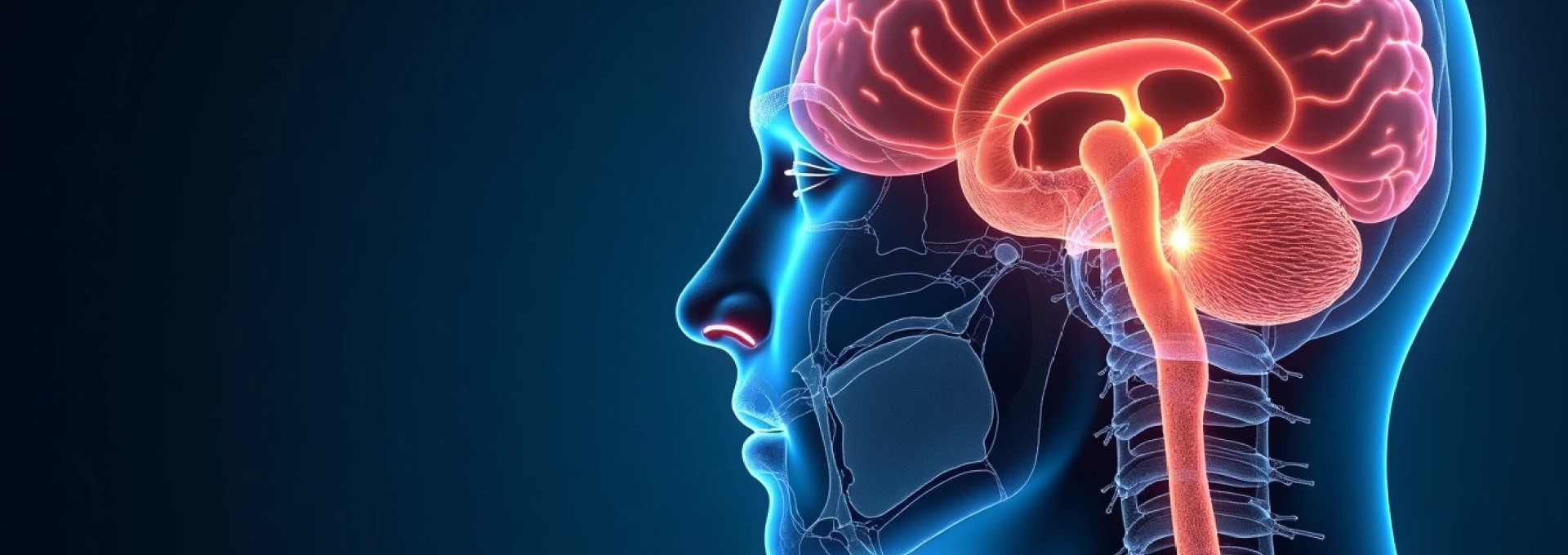
Unilateral temporal headaches represent one of the most challenging diagnostic puzzles in clinical medicine, often leaving patients and healthcare providers searching for answers amidst a complex web of potential causes. These single-sided head pains, localised specifically to the temple region, can range from mild discomfort to excruciating episodes that significantly impact quality of life. Understanding the intricate mechanisms behind temporal headaches requires examining various pathophysiological processes, from inflammatory vascular conditions to complex neurological disorders.
The temporal region serves as a critical anatomical junction where multiple pain-sensitive structures converge, including the temporal artery, trigeminal nerve branches, and surrounding musculature. This convergence makes unilateral temporal pain particularly significant, as it may signal anything from benign tension headaches to serious inflammatory conditions requiring immediate medical intervention. Recent advances in headache medicine have revealed sophisticated mechanisms underlying these disorders, offering new insights into both diagnosis and treatment approaches.
Temporal arteritis and giant cell arteritis: inflammatory vascular causes
Giant cell arteritis (GCA), also known as temporal arteritis, stands as one of the most serious causes of unilateral temporal headache, particularly affecting individuals over 50 years of age. This systemic inflammatory condition primarily targets large and medium-sized arteries, with a predilection for the temporal arteries. The condition presents a medical emergency due to its potential for causing irreversible vision loss and stroke complications.
The clinical presentation of temporal arteritis typically includes severe, throbbing temporal pain that may be accompanied by scalp tenderness, jaw claudication, and constitutional symptoms such as fever, weight loss, and fatigue. Patients often describe the pain as unlike any previous headache experience, with many reporting difficulty combing their hair due to scalp sensitivity. The temporal artery may appear swollen, tender, or nodular upon examination, though these physical findings are not universally present.
Horton’s disease pathophysiology in temporal artery inflammation
Horton’s disease, another term for giant cell arteritis, involves a complex autoimmune process that targets the arterial wall structure. The pathophysiology begins with dendritic cell activation within the arterial adventitia, leading to T-cell recruitment and subsequent inflammatory cascade activation. This process results in the formation of characteristic multinucleated giant cells and granulomatous inflammation that can compromise arterial blood flow.
The inflammatory process specifically affects the elastic lamina of arteries, causing fragmentation and destruction of these critical structural components. Interleukin-6 and other pro-inflammatory cytokines play central roles in perpetuating the inflammatory response, whilst interferon-γ contributes to macrophage activation and giant cell formation. Understanding these mechanisms has led to targeted therapeutic approaches using biological agents in refractory cases.
ESR and CRP elevation patterns in giant cell arteritis diagnosis
Laboratory evaluation of suspected temporal arteritis reveals characteristic patterns of systemic inflammation, with erythrocyte sedimentation rate (ESR) and C-reactive protein (CRP) serving as critical diagnostic markers. ESR values typically exceed 50 mm/hour, with many patients presenting values above 100 mm/hour during active disease phases. CRP levels similarly demonstrate significant elevation, often exceeding 10 mg/L in active cases.
However, clinicians must recognise that approximately 10-15% of patients with biopsy-proven giant cell arteritis may present with normal inflammatory markers, particularly in cases with isolated cranial involvement. Platelet count elevation frequently accompanies the acute phase response, whilst anaemia of chronic disease may develop in prolonged cases. The combination of clinical symptoms, elevated inflammatory markers, and imaging findings forms the diagnostic triad for temporal arteritis evaluation.
Temporal artery biopsy indications and histopathological findings
Temporal artery biopsy remains the gold standard for confirming giant cell arteritis diagnosis, despite the increasing utility of high-resolution ultrasound and other imaging modalities. The procedure involves surgical removal of a temporal artery segment, typically 2-3 centimetres in length, for detailed histopathological examination. Optimal timing for biopsy occurs within the first week of steroid treatment, though diagnostic yield remains acceptable for up to two weeks following treatment initiation.
Characteristic histopathological findings include disruption of the internal elastic lamina, infiltration of mononuclear cells throughout all arterial wall layers, and the presence of multinucleated giant cells.
The diagnostic sensitivity of temporal artery biopsy ranges from 60-90%, with skip lesions accounting for some false-negative results.
Recent advances in imaging technology have improved pre-surgical planning, allowing surgeons to target inflamed arterial segments more effectively.
Corticosteroid response protocols for acute temporal arteritis management
Immediate high-dose corticosteroid therapy represents the cornerstone of temporal arteritis treatment, with prednisolone typically initiated at 60-80mg daily for suspected cases. Treatment must begin promptly to prevent vision loss, even before biopsy confirmation, as delays can result in irreversible complications. The dramatic response to corticosteroids often serves as a diagnostic indicator, with patients experiencing significant symptom improvement within 24-72 hours.
Treatment protocols involve gradual dose reduction over 12-24 months, with careful monitoring for disease recurrence and steroid-related complications. Bone protection measures including calcium supplementation, vitamin D, and bisphosphonate therapy become essential during prolonged steroid treatment. Alternative immunosuppressive agents such as methotrexate or tocilizumab may be considered in cases requiring prolonged high-dose steroids or experiencing frequent relapses.
Migraine variants: hemicranial pain patterns and neurological mechanisms
Migraine disorders represent the most common cause of unilateral temporal headaches, affecting approximately 12% of the global population with a significant female predominance. These complex neurological conditions involve sophisticated mechanisms encompassing vascular, neurogenic, and inflammatory components. Unilateral temporal pain in migraine typically follows specific patterns, often beginning around the eye or temple before spreading across the hemicranium.
The pathophysiology of migraine involves abnormal neuronal excitability within the trigeminovascular system, leading to the release of vasoactive neuropeptides and subsequent neurogenic inflammation. This process creates the characteristic throbbing pain quality that patients experience, often accompanied by associated symptoms such as nausea, photophobia, and phonophobia. Modern understanding emphasises migraine as a complex brain disorder rather than simply a vascular phenomenon.
Classic migraine aura manifestations in unilateral temporal headaches
Migraine aura occurs in approximately 25% of migraine patients, representing a distinct neurological phenomenon that typically precedes the headache phase. Classical aura manifestations include visual symptoms such as scintillating scotomas, fortification spectra, or hemianopic visual field defects. These symptoms develop gradually over 5-20 minutes and typically resolve completely before headache onset, though some patients experience aura concurrent with pain.
Sensory aura symptoms may include unilateral paraesthesias affecting the hand, arm, and face, often following a specific progression pattern. Speech and language disturbances can occur in complex aura presentations, though motor symptoms remain relatively rare. Understanding aura mechanisms has provided insights into migraine pathophysiology, with cortical spreading depression representing the underlying neurophysiological correlate of aura phenomena.
Basilar-type migraine and vertebrobasilar insufficiency correlations
Basilar-type migraine, now termed migraine with brainstem aura, presents unique challenges in differential diagnosis due to its overlap with vertebrobasilar insufficiency symptoms. This migraine variant involves aura symptoms originating from the brainstem or bilateral cerebral hemispheres, including vertigo, tinnitus, diplopia, and altered consciousness. The temporal pain pattern in basilar migraine may differ from classical presentations, often involving bilateral symptoms initially.
Distinguishing basilar migraine from vertebrobasilar insufficiency requires careful evaluation of symptom progression, duration, and associated features. Vertebrobasilar TIA typically presents with acute onset symptoms lasting minutes, whilst basilar migraine aura develops gradually over 5-60 minutes. Age demographics also differ significantly, with basilar migraine predominantly affecting younger patients, particularly adolescent females, whereas vertebrobasilar insufficiency typically occurs in older adults with vascular risk factors.
Trigeminal-vascular system dysfunction in temporal lobe pain
The trigeminovascular system represents the primary anatomical substrate for migraine pain generation, involving complex interactions between trigeminal sensory neurons and cranial blood vessels. Trigeminal nerve branches innervate the temporal region extensively, with the ophthalmic and maxillary divisions providing sensory input from the temple, forehead, and periorbital areas. Dysfunction within this system creates the characteristic temporal pain patterns observed in migraine.
Sensitisation of trigeminal sensory neurons leads to enhanced pain transmission and the development of allodynia, explaining why patients often cannot tolerate light touch during migraine episodes. Central sensitisation mechanisms contribute to pain amplification and the spread of pain beyond the initial trigger zone. This process involves changes in second-order neurons within the trigeminal nucleus caudalis and subsequent thalamic relay nuclei, creating the complex pain experience characteristic of migraine.
CGRP pathway activation and temporal artery vasodilation
Calcitonin gene-related peptide (CGRP) plays a central role in migraine pathophysiology, particularly in the generation of temporal pain and associated vascular changes. CGRP release from trigeminal sensory neurons leads to temporal artery vasodilation, increased vascular permeability, and neurogenic inflammation. This neuropeptide demonstrates significantly elevated levels during migraine attacks, with concentrations correlating with headache intensity and duration.
The development of CGRP receptor antagonists and anti-CGRP monoclonal antibodies has revolutionised migraine treatment, providing targeted therapeutic options for patients with frequent episodes.
Clinical trials have demonstrated that CGRP-targeted therapies can reduce monthly migraine days by 50% or more in approximately 40-60% of patients.
These advances have validated the importance of the CGRP pathway in migraine pathophysiology and opened new avenues for precision medicine approaches.
Chronic daily headache transformation from episodic migraine
Chronic migraine represents a significant clinical challenge, developing in approximately 2-3% of individuals with episodic migraine annually. This transformation process involves complex changes in central pain processing, often associated with medication overuse, stress, sleep disorders, or underlying medical conditions. Patients with chronic migraine experience headache on 15 or more days per month, with migraine features present on at least 8 days.
The temporal pain pattern in chronic migraine may become less distinctive compared to episodic presentations, often developing a more constant, less throbbing quality. Allodynia and central sensitisation become more prominent in chronic cases, with patients reporting increased sensitivity to light, sound, and touch even during interictal periods. Treatment approaches for chronic migraine require comprehensive strategies addressing both preventive medications and lifestyle modifications.
Cluster headaches and trigeminal autonomic cephalalgias
Cluster headaches represent one of the most severe forms of primary headache disorders, characterised by excruciating unilateral temporal and periorbital pain accompanied by distinctive autonomic features. These headaches occur in cyclical patterns or “clusters,” affecting approximately 0.1% of the population with a male predominance of 3:1. The temporal pain in cluster headache typically reaches maximum intensity within 5-10 minutes, creating an emergency-like presentation that distinguishes it from other headache types.
The pathophysiology of cluster headache involves dysfunction within the posterior hypothalamic area, which explains the characteristic circadian timing of attacks and seasonal clustering patterns. Neuroimaging studies have revealed structural and functional abnormalities in this region, supporting the hypothesis that cluster headache represents a disorder of biological rhythm regulation. The intense temporal pain results from activation of the trigeminovascular system combined with parasympathetic outflow via the sphenopalatine ganglion.
Hypothalamic circadian rhythm disruption in cluster headache cycles
The posterior hypothalamic region serves as the body’s master circadian clock, and dysfunction in this area explains the remarkable temporal predictability of cluster headache attacks. Many patients experience attacks at precisely the same time each day, often occurring 1-2 hours after sleep onset. This “alarm clock” phenomenon reflects the intimate connection between cluster headache pathophysiology and circadian rhythm regulation.
Seasonal clustering patterns further support hypothalamic involvement, with many patients experiencing cluster periods during spring and autumn when daylight hours change most rapidly. Melatonin levels demonstrate abnormal patterns in cluster headache patients, with reduced nocturnal peaks during active cluster periods. Light therapy and melatonin supplementation have shown promise as preventive treatments, targeting the underlying circadian dysfunction that drives cluster headache cycles.
Paroxysmal hemicrania and indomethacin response criteria
Paroxysmal hemicrania belongs to the trigeminal autonomic cephalgia family, sharing clinical features with cluster headache but distinguished by its absolute response to indomethacin therapy. The temporal pain in paroxysmal hemicrania typically lasts 2-30 minutes, occurring multiple times daily with similar autonomic features to cluster headache. The female predominance and indomethacin responsiveness distinguish this condition from classical cluster headache.
The diagnostic criteria for paroxysmal hemicrania require complete response to therapeutic doses of indomethacin, typically 75-150mg daily. This pathognomonic response serves both diagnostic and therapeutic purposes, though patients may experience gastrointestinal side effects requiring careful monitoring. Alternative treatments for indomethacin-intolerant patients include topiramate, verapamil, or gabapentin, though these agents demonstrate significantly lower efficacy rates.
SUNCT syndrome: short-lasting unilateral neuralgiform attacks
Short-lasting Unilateral Neuralgiform headache attacks with Conjunctival injection and Tearing (SUNCT) represents the briefest of the trigeminal autonomic cephalalgias, with individual attacks lasting 5-240 seconds. The temporal pain quality differs from cluster headache, often described as stabbing, burning, or electrical in nature. Patients typically experience multiple attacks throughout the day, sometimes triggered by light touch or jaw movements.
SUNCT syndrome demonstrates unique pathophysiological features, including potential involvement of the trigeminal nerve root entry zone and possible vascular compression mechanisms. Neuroimaging evaluation remains essential to exclude secondary causes, particularly posterior fossa lesions that may mimic SUNCT presentations. Treatment options include lamotrigine, gabapentin, and topiramate, though therapeutic responses vary significantly among patients.
Oxygen therapy efficacy in acute cluster headache episodes
High-flow oxygen therapy represents the most effective acute treatment for cluster headache attacks, providing relief in approximately 70-80% of patients when administered correctly. The optimal protocol involves 100% oxygen delivered at 12-15 litres per minute via a non-rebreathing mask for 15-20 minutes. The mechanism of action remains incompletely understood but may involve normalisation of oxygen saturation, vasoconstrictive effects, or modulation of trigeminal nerve activity.
Patient education regarding proper oxygen administration technique proves crucial for therapeutic success.
Studies demonstrate that oxygen therapy can abort cluster headache attacks within 10-15 minutes when started early in the attack sequence.
Portable oxygen concentrators have improved patient access to this treatment, though prescription requirements and insurance coverage remain significant barriers for many patients.
Secondary headache causes: structural and metabolic aetiologies
Secondary headaches represent underlying pathological processes that manifest as temporal pain, requiring careful evaluation to identify potentially serious causes. These conditions may present with similar temporal pain patterns to primary headache disorders but often include additional neurological signs or systemic symptoms that suggest secondary aetiology. Brain tumours, particularly those involving the temporal lobe or adjacent structures, can present with progressive unilateral headache that may initially mimic migraine or tension-type headache.
Intracranial pressure changes, whether elevated or reduced, commonly produce temporal headache patterns with characteristic positional variations. Raised intracranial pressure typically worsens with Valsalva man
oeuvres and coughing, whilst low intracranial pressure headaches typically improve when lying flat and worsen when upright. Cerebral venous thrombosis represents another critical secondary cause, often presenting with progressive temporal headache accompanied by focal neurological signs or seizures.
Metabolic causes of temporal headache include hypoglycaemia, particularly in diabetic patients experiencing insulin reactions or prolonged fasting states. Carbon monoxide poisoning can present with bilateral or unilateral temporal throbbing pain, often accompanied by nausea, confusion, and cherry-red skin discoloration. Sleep apnoea contributes to chronic daily headache patterns, with morning temporal pain being particularly common due to nocturnal hypoxemia and sleep fragmentation.
Medication-induced headaches represent an increasingly recognised secondary cause, with nitrates, phosphodiesterase inhibitors, and calcium channel blockers commonly triggering temporal pain through vasodilation mechanisms. Hypertensive emergencies may present with severe temporal headache, particularly when blood pressure exceeds 180/120 mmHg with end-organ involvement. Temporal pain in hypertensive crises often accompanies visual changes, altered mental status, or focal neurological deficits requiring immediate intervention.
Tension-type headache variants and myofascial trigger points
Tension-type headaches represent the most prevalent headache disorder globally, affecting up to 78% of the population at some point in their lives. While typically characterised by bilateral, band-like pressure, tension headaches can present with unilateral temporal pain, particularly when associated with myofascial trigger points or cervicogenic components. The pain quality differs markedly from migraine, typically described as pressing or tightening rather than pulsating, with mild to moderate intensity that rarely prevents daily activities.
The pathophysiology of tension-type headache involves complex interactions between peripheral pain mechanisms in pericranial muscles and central pain processing abnormalities. Electromyographic studies have demonstrated increased muscle tension in the temporalis, frontalis, and suboccipital muscles during headache episodes. Myofascial trigger points within the temporalis muscle can create referred pain patterns that closely mimic temporal arteritis or cluster headache, requiring careful differential diagnosis.
Chronic tension-type headache develops in approximately 3% of the population, often associated with stress, depression, anxiety, or sleep disorders. The transformation from episodic to chronic patterns typically occurs gradually over months to years, with increasing headache frequency and duration. Central sensitisation mechanisms contribute to chronification, involving changes in pain processing at the spinal trigeminal nucleus and higher cortical centres.
Treatment approaches for tension-type headache focus on both pharmacological and non-pharmacological interventions. Acute treatment typically involves simple analgesics such as paracetamol, aspirin, or NSAIDs, though overuse can lead to medication overuse headache. Preventive strategies include tricyclic antidepressants, particularly amitriptyline, which demonstrates efficacy through multiple mechanisms including pain modulation and sleep improvement.
Physical therapy interventions, including trigger point therapy and postural correction, show significant benefits in reducing both headache frequency and intensity in tension-type headache patients.
Stress management techniques, cognitive behavioural therapy, and relaxation training provide additional therapeutic options, particularly valuable for patients seeking non-pharmacological approaches or those with medication contraindications.
Medication overuse headache and rebound pain mechanisms
Medication overuse headache (MOH) represents a significant iatrogenic condition affecting approximately 1-2% of the general population, with higher prevalence rates among patients with primary headache disorders. This condition develops when patients use acute headache medications more frequently than recommended, typically more than 10-15 days per month for combination analgesics, triptans, or ergots, or more than 15 days per month for simple analgesics. The temporal pain pattern in MOH often becomes chronic and diffuse, losing the characteristic features of the original headache type.
The pathophysiology of medication overuse headache involves complex neuroadaptive changes within central pain processing pathways. Chronic exposure to analgesic medications leads to downregulation of endogenous pain inhibition systems and enhanced pain facilitation mechanisms. Serotonergic and dopaminergic pathways become dysregulated, creating a state of chronic central sensitisation that perpetuates the headache cycle even in the absence of external triggers.
Different medication classes demonstrate varying potentials for causing MOH, with combination analgesics containing caffeine showing particularly high risk. Triptans and ergot alkaloids can cause MOH with relatively low usage frequencies, whilst simple analgesics typically require higher consumption levels. The temporal pattern of MOH often includes daily or near-daily headache with fluctuating intensity, morning headache upon awakening, and immediate relief following medication intake followed by rebound pain.
Diagnosis of medication overuse headache requires careful documentation of medication usage patterns and temporal relationships between medication consumption and headache occurrence. Headache diaries prove invaluable for establishing these patterns and identifying overuse behaviours. The International Classification of Headache Disorders provides specific criteria for MOH diagnosis, requiring both headache occurring on 15 or more days per month and regular overuse of acute headache medications.
Treatment of medication overuse headache necessitates complete withdrawal of overused medications, often requiring inpatient monitoring for patients using high doses of combination analgesics or opioids. The withdrawal process typically involves a temporary worsening of headache symptoms for 2-10 days before improvement begins. Bridge therapy with corticosteroids, antiemetics, or preventive medications can help manage withdrawal symptoms and reduce patient suffering during the detoxification period.
Prevention strategies for medication overuse headache focus on patient education regarding appropriate acute medication usage and early initiation of preventive treatments for patients with frequent headaches. Healthcare providers must carefully balance the need for adequate pain relief with the risk of medication overuse, establishing clear usage guidelines and regular monitoring protocols. Long-term success requires addressing underlying primary headache disorders through appropriate preventive strategies and lifestyle modifications.