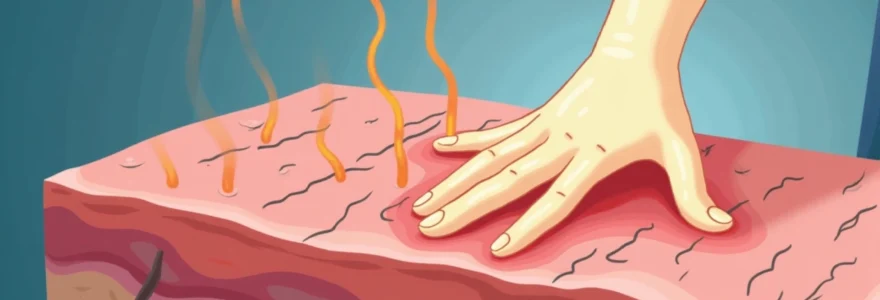
Engine coolant exposure can result in severe chemical burns that require immediate and specialised medical intervention. Unlike thermal burns from heat sources, coolant-related injuries involve complex chemical reactions that can cause progressive tissue damage even after initial contact has ceased. The severity of these burns depends on multiple factors including the specific coolant formulation, concentration levels, duration of exposure, and the affected individual’s skin sensitivity. Modern automotive coolants contain various chemical compounds designed to prevent corrosion and maintain optimal engine temperatures, but these same properties make them particularly hazardous to human skin and mucous membranes.
Understanding coolant chemical composition and dermal toxicity
Modern engine coolants represent complex chemical formulations containing multiple potentially harmful substances that can cause varying degrees of skin damage. The primary active ingredients typically include glycol-based compounds, corrosion inhibitors, pH stabilisers, and various additive packages designed to enhance performance characteristics. Understanding these components becomes crucial for healthcare professionals and first responders when determining appropriate treatment protocols for coolant exposure incidents.
Ethylene glycol contact dermatitis and systemic absorption
Ethylene glycol serves as the primary active ingredient in most conventional coolant formulations, comprising approximately 90-95% of the total volume in concentrated products. This compound readily penetrates human skin through dermal absorption, potentially causing both localised tissue damage and systemic toxicity concerns. Initial contact typically produces mild irritation symptoms, but prolonged exposure can result in significant dermal burns characterised by erythema, blistering, and tissue necrosis. The molecular structure of ethylene glycol allows for rapid penetration through the stratum corneum, making immediate decontamination procedures absolutely essential.
Systemic absorption of ethylene glycol through damaged skin presents additional medical complications beyond localised burn injuries. Once absorbed into the bloodstream, this compound undergoes metabolic conversion to toxic metabolites including glycolic acid and oxalic acid, which can cause severe metabolic acidosis and organ damage. Healthcare providers must monitor patients with extensive coolant burns for signs of systemic toxicity, including altered mental status, respiratory depression, and metabolic disturbances that may require specialised antidotal therapy.
Propylene glycol allergic reactions and sensitisation pathways
Propylene glycol, commonly used as an alternative to ethylene glycol in safer coolant formulations, can trigger allergic contact dermatitis in sensitised individuals. While generally considered less toxic than its ethylene counterpart, propylene glycol exposure can still result in significant skin reactions ranging from mild irritation to severe allergic responses. The sensitisation process typically occurs through repeated low-level exposures, making automotive technicians and maintenance workers particularly susceptible to developing allergic reactions over time.
The pathophysiology of propylene glycol sensitisation involves T-cell mediated immune responses that can manifest as delayed-type hypersensitivity reactions. These reactions typically appear 24-72 hours after initial exposure and may present with symptoms including severe erythema, vesicle formation, and intense pruritus. Treatment approaches for propylene glycol allergic reactions require corticosteroid therapy in addition to standard burn care protocols, making accurate identification of the causative coolant formulation essential for optimal patient outcomes.
Corrosion inhibitor additives and caustic burn mechanisms
Corrosion inhibitor additives present in modern coolant formulations can cause severe caustic burns through alkaline chemical mechanisms. These compounds, including silicate-based inhibitors, organic acid technologies, and hybrid formulations, are designed to protect metal engine components but can cause significant tissue damage upon skin contact. The pH levels of these additives typically range from 8.5 to 11.0, creating strongly alkaline conditions that can result in deep tissue penetration and progressive burn injuries.
Caustic burns from corrosion inhibitors follow different pathophysiological mechanisms compared to acid burns, involving liquefaction necrosis that allows for deeper tissue penetration. This process continues even after initial exposure has ended, making these injuries particularly challenging to treat. The alkaline nature of these compounds also interferes with normal cellular protein structures, causing ongoing tissue damage that may not become apparent for several hours after initial contact. Immediate and thorough irrigation remains the cornerstone of initial treatment, but specialised neutralisation procedures may be required for optimal outcomes.
Diethylene glycol monomethyl ether (DiEGME) penetration rates
Diethylene glycol monomethyl ether represents one of the most concerning coolant additives from a dermatological perspective due to its rapid skin penetration characteristics and potential for systemic toxicity. This compound demonstrates exceptional dermal absorption rates, with studies indicating complete penetration through human epidermis within 15-30 minutes of initial contact. The rapid absorption kinetics make DiEGME exposure particularly dangerous, as significant systemic levels can be achieved even with relatively small contact areas.
Research data indicates that DiEGME penetration rates can exceed 2.5 mg/cm²/hour through intact human skin, with damaged or abraded skin showing dramatically higher absorption rates. This compound also demonstrates cumulative toxicity effects, meaning repeated exposures can result in progressively more severe reactions. Healthcare providers treating DiEGME exposure must consider both immediate burn treatment and potential systemic complications, including reproductive toxicity and neurological effects that may manifest days or weeks after initial exposure.
Immediate first aid protocols for coolant exposure
Rapid implementation of appropriate first aid measures can significantly impact patient outcomes following coolant exposure incidents. The complex chemical nature of modern coolant formulations requires specific intervention strategies that differ from standard thermal burn protocols. Emergency responders and healthcare providers must understand these differences to provide optimal initial care while minimising the risk of secondary complications or additional tissue damage.
Emergency response to chemical burns must begin within minutes of exposure to prevent progressive tissue damage and potential systemic complications.
Emergency irrigation techniques using saline solution
Immediate copious irrigation represents the single most important intervention for coolant burns, but the choice of irrigating solution can significantly impact treatment effectiveness. While water remains the most readily available option for initial decontamination, isotonic saline solution provides superior results for coolant exposure due to its physiological compatibility and reduced risk of cellular osmotic damage. Emergency protocols should specify continuous irrigation for a minimum of 20-30 minutes, with longer durations required for concentrated coolant exposure or when pH testing indicates ongoing chemical activity.
The irrigation technique itself requires specific considerations for coolant burns, including maintenance of appropriate solution temperature (15-20°C), adequate flow rates to ensure complete removal of chemical residues, and proper positioning to prevent cross-contamination of unaffected areas. Specialised irrigation systems designed for chemical exposures can deliver consistent flow rates and temperature control, but improvised systems using standard medical equipment can provide adequate results when properly implemented. Documentation of irrigation duration, solution volumes used, and patient response becomes essential for subsequent medical evaluation and treatment planning.
Calcium gluconate gel application for hydrofluoric acid components
Certain specialised coolant formulations may contain hydrofluoric acid compounds as cleaning or etching agents, requiring specific antidotal therapy with calcium gluconate preparations. These compounds can cause severe burns with unique pathophysiological characteristics, including deep tissue penetration and ongoing fluoride ion activity that continues to damage tissues long after initial exposure. Calcium gluconate gel application must begin immediately following irrigation and continues until pain relief is achieved or medical evacuation is completed.
The mechanism of calcium gluconate therapy involves chelation of fluoride ions, preventing their interaction with cellular calcium and magnesium stores that are essential for normal cellular function. Application technique requires generous coverage of the affected area with 2.5% calcium gluconate gel, with reapplication every 15-20 minutes as needed for pain control. Healthcare providers must monitor for signs of systemic fluoride toxicity, including cardiac arrhythmias and electrolyte disturbances, particularly in cases involving large surface area exposure or prolonged contact time.
Neutralisation procedures for alkaline coolant formulations
Alkaline coolant formulations require careful neutralisation procedures to halt ongoing tissue damage while avoiding the heat generation that can occur with improper neutralising agent selection. The traditional approach of using weak acidic solutions for alkaline burns has been largely abandoned in favour of prolonged irrigation protocols, but specific coolant formulations may benefit from targeted neutralisation when performed by trained medical personnel. pH monitoring becomes essential during these procedures to ensure adequate neutralisation without overcorrection that could cause additional chemical injury.
Advanced neutralisation protocols may incorporate buffered solutions designed to gradually reduce pH levels while minimising thermal effects. These procedures should only be attempted by healthcare providers with specific training in chemical burn management, as improper neutralisation can result in exothermic reactions that cause additional thermal injury. The decision to pursue neutralisation versus continued irrigation depends on multiple factors including the specific coolant formulation, extent of exposure, time since initial contact, and availability of appropriate monitoring equipment.
Contaminated clothing removal and secondary exposure prevention
Proper removal of contaminated clothing represents a critical component of coolant burn management, but improper technique can result in additional exposure or cross-contamination of healthcare providers. The viscous nature of many coolant formulations means that standard clothing removal techniques may be inadequate, requiring careful cutting of garments to avoid dragging contaminated material across unaffected skin areas. Personal protective equipment for healthcare providers must include chemical-resistant gloves, protective eyewear, and impermeable gowns to prevent secondary exposure during decontamination procedures.
Secondary exposure prevention extends beyond the immediate treatment area to include proper disposal of contaminated materials and decontamination of treatment equipment. Coolant residues can remain active on surfaces for extended periods, potentially causing burns in subsequently exposed individuals. Treatment areas should be thoroughly decontaminated with appropriate cleaning solutions, and all disposable materials should be handled as hazardous waste according to local regulations. Staff training programmes should emphasise these secondary exposure risks and appropriate prevention measures.
Clinical assessment and burn classification systems
Accurate clinical assessment of coolant burns requires specialised knowledge of chemical burn pathophysiology and the unique characteristics of coolant-related injuries. Traditional burn classification systems developed for thermal injuries may not adequately characterise the depth and severity of chemical burns, particularly those involving complex coolant formulations with multiple active ingredients. Healthcare providers must understand these limitations and adapt their assessment techniques accordingly to ensure appropriate treatment planning and prognostic accuracy.
Initial clinical assessment should focus on determining the extent of exposure, identifying the specific coolant formulation involved, and establishing baseline measurements for ongoing monitoring. Surface area calculations using the rule of nines provide important baseline data, but chemical burns often demonstrate progressive deepening over 24-72 hours that may not be apparent during initial evaluation. Serial photography and detailed documentation of wound characteristics become essential for tracking progression and treatment response over time.
The presence of systemic toxicity signs requires immediate recognition and intervention, as coolant exposure can result in multi-organ system involvement beyond the obvious dermal injuries. Vital sign monitoring, neurological assessment, and laboratory evaluation may reveal evidence of systemic absorption that requires specific antidotal therapy or supportive care measures. Advanced assessment techniques including transcutaneous oxygen monitoring or laser Doppler flowmetry may provide valuable information about tissue viability in cases involving extensive exposure or questionable wound depth.
| Burn Depth | Clinical Characteristics | Coolant-Specific Features | Expected Healing Time |
|---|---|---|---|
| Superficial Partial-Thickness | Erythema, pain, intact blisters | May progress due to ongoing chemical activity | 7-14 days with appropriate care |
| Deep Partial-Thickness | White/pale appearance, decreased sensation | Common with alkaline coolant exposure | 3-6 weeks, may require grafting |
| Full-Thickness | Leathery, insensate, fixed to underlying tissue | Progressive deepening over 48-72 hours | Requires surgical intervention |
Advanced topical treatment modalities
Modern coolant burn management incorporates sophisticated topical treatment approaches that address the unique characteristics of chemical injuries while promoting optimal healing outcomes. These advanced modalities go beyond traditional burn care protocols to address specific pathophysiological mechanisms associated with coolant exposure, including ongoing chemical activity, enhanced inflammatory responses, and increased infection risk due to compromised tissue integrity.
Silver sulfadiazine cream application for deep dermal burns
Silver sulfadiazine represents the gold standard for topical antimicrobial therapy in deep dermal coolant burns, providing broad-spectrum antibacterial coverage while maintaining favourable tissue penetration characteristics. The unique properties of silver sulfadiazine make it particularly suitable for chemical burns, as it provides sustained antimicrobial activity without interfering with normal wound healing processes. Application protocols require generous coverage of the affected area with 1/16-inch thick layer, renewed every 12-24 hours depending on wound exudate levels and clinical response.
The mechanism of action involves slow release of silver ions that provide antimicrobial activity against a wide range of bacterial pathogens commonly associated with burn wound infections. Clinical studies demonstrate superior outcomes when silver sulfadiazine therapy is initiated within 24 hours of chemical burn injury, with reduced infection rates and improved healing times compared to other topical antimicrobial agents. However, potential side effects including leucopaenia and allergic reactions require ongoing monitoring, particularly in patients with extensive burn injuries or prolonged treatment requirements.
Hydrogel dressings and moisture retention therapy
Hydrogel dressings provide optimal moisture management for coolant burns while creating an environment conducive to natural healing processes. These advanced dressings maintain appropriate tissue hydration levels without causing maceration, a particular concern in chemical burns where tissue integrity may already be compromised. The cooling effect of hydrogel formulations also provides significant pain relief, reducing the need for systemic analgesic medications and improving patient comfort during the critical early healing phase.
Modern hydrogel formulations incorporate various bioactive compounds designed to enhance healing outcomes, including growth factors, antimicrobial agents, and anti-inflammatory medications. Selection of appropriate hydrogel products depends on wound characteristics, including depth, exudate levels, and presence of infection. Advanced formulations with sustained-release drug delivery capabilities can provide therapeutic benefits over extended periods while reducing dressing change frequency and associated patient discomfort.
Enzymatic debridement using collagenase santyl ointment
Enzymatic debridement represents a valuable treatment option for coolant burns with significant necrotic tissue that cannot be adequately managed through autolytic or mechanical debridement techniques. Collagenase santyl ointment provides selective removal of denatured collagen while preserving viable tissue, making it particularly suitable for chemical burns where tissue viability may be difficult to assess clinically. This approach offers significant advantages over surgical debridement in terms of patient comfort and preservation of potentially viable tissue.
The application protocol requires daily application of collagenase ointment to necrotic tissue areas, followed by appropriate secondary dressings to maintain moisture levels and protect the treated area. Treatment duration typically ranges from 7-21 days depending on the extent of necrotic tissue and patient response to therapy. Monitoring for signs of infection becomes particularly important during enzymatic debridement, as the breakdown of necrotic tissue can create conditions favourable for bacterial growth if not properly managed.
Antimicrobial barrier films and infection prophylaxis
Advanced antimicrobial barrier films provide innovative approaches to infection prevention in coolant burns while allowing for visual monitoring of wound healing progress. These transparent dressings incorporate antimicrobial agents that provide sustained protection against bacterial contamination while maintaining vapour transmission characteristics that prevent moisture accumulation. The barrier properties become particularly important in coolant burns due to the increased susceptibility to infection associated with chemical tissue damage.
Selection of appropriate barrier film products requires consideration of multiple factors including wound location, patient activity levels, and expected wear time. Modern formulations incorporate various antimicrobial agents including silver ions, iodine compounds, and chlorhexidine preparations, each with specific advantages and limitations. Clinical studies demonstrate reduced infection rates and improved healing outcomes when barrier films are used as part of comprehensive coolant burn management protocols, particularly in ambulatory patients where traditional dressing changes may be impractical.
Systemic complications and medical management
Systemic complications following coolant exposure can develop rapidly and require immediate recognition and intervention to prevent serious morbidity or mortality. The complex chemical composition of modern coolants creates multiple pathways for systemic toxicity, ranging from direct absorption of toxic compounds through damaged skin to secondary complications related to extensive tissue damage and inflammatory responses
. The absorption of toxic compounds through compromised skin barriers can lead to metabolic acidosis, organ dysfunction, and potentially life-threatening complications that may not become apparent for several hours after initial exposure.
Ethylene glycol absorption represents the most significant systemic concern, as this compound undergoes hepatic metabolism to produce toxic metabolites including glycolic acid, glyoxylic acid, and oxalic acid. These metabolites can cause severe metabolic acidosis with an elevated anion gap, acute kidney injury from calcium oxalate crystal deposition, and central nervous system depression. Healthcare providers must maintain high clinical suspicion for systemic toxicity in patients with extensive coolant burns, particularly when the exposure involves concentrated formulations or prolonged contact time.
Monitoring protocols for systemic complications should include serial arterial blood gas analysis, comprehensive metabolic panels, and renal function assessment. Early signs of ethylene glycol toxicity may include altered mental status, ataxia, and respiratory depression, while later manifestations can involve seizures, coma, and cardiovascular collapse. Treatment with fomepizole or ethanol may be indicated for significant systemic absorption, requiring immediate consultation with toxicology specialists and potential transfer to facilities equipped for advanced supportive care.
Respiratory complications can develop when coolant vapours are inhaled during exposure incidents, particularly in enclosed spaces with poor ventilation. The volatile components of coolant formulations can cause chemical pneumonitis, reactive airways dysfunction, and in severe cases, acute respiratory distress syndrome. Patients presenting with any history of inhalation exposure require immediate respiratory assessment, arterial blood gas analysis, and chest radiography to evaluate for early signs of pulmonary injury.
Long-term wound care and scar prevention strategies
Long-term management of coolant burns requires comprehensive approaches that address both functional and cosmetic outcomes while minimising the risk of complications during the extended healing phase. The complex nature of chemical burns often results in prolonged healing times compared to thermal injuries, with increased susceptibility to infection, delayed epithelialisation, and abnormal scar formation. Successful long-term outcomes depend on consistent wound monitoring, appropriate scar prevention measures, and early intervention for complications that may arise during the healing process.
Scar prevention strategies must begin during the acute phase of treatment and continue throughout the entire healing process, often extending for months beyond initial wound closure. The pathophysiology of chemical burn scarring involves complex interactions between inflammatory mediators, collagen synthesis pathways, and tissue remodeling processes that can be influenced through targeted interventions. Early implementation of pressure therapy, silicone-based treatments, and range-of-motion exercises can significantly improve final cosmetic and functional outcomes.
Pressure garment therapy represents one of the most effective interventions for preventing hypertrophic scar formation in coolant burns, particularly those affecting the extremities or trunk areas. Custom-fitted pressure garments should be initiated as soon as wound healing permits, typically within 2-4 weeks of injury, and continued for 12-18 months or until scar maturation is complete. The optimal pressure range of 20-30 mmHg helps control collagen deposition and promotes proper scar remodeling, but patient compliance often presents challenges due to discomfort and cosmetic concerns.
Silicone gel sheeting and topical silicone preparations provide valuable adjunctive therapy for scar prevention, with clinical studies demonstrating significant improvements in scar texture, colour, and thickness when used consistently over extended periods. The mechanism of action involves hydration of the stratum corneum and regulation of fibroblast activity, leading to more organised collagen deposition and improved scar characteristics. Application protocols typically require 12-24 hours daily contact with the scar tissue, with visible improvements often becoming apparent after 6-8 weeks of consistent use.
Physical therapy interventions become essential for coolant burns affecting joint areas or large surface areas where contracture formation poses significant functional risks. Early mobilisation programmes should begin as soon as wound stability permits, with progressive exercises designed to maintain range of motion and prevent adhesion formation. The timing of these interventions requires careful balance between promoting healing and preventing complications, often requiring close collaboration between wound care specialists and rehabilitation professionals.
Advanced scar management techniques may include laser therapy, corticosteroid injections, and surgical revision procedures for patients who develop problematic scarring despite appropriate preventive measures. Fractional laser resurfacing can improve scar texture and pigmentation abnormalities, while ablative laser treatments may be beneficial for raised or hypertrophic scars. These interventions typically require multiple treatment sessions and should only be considered after scar maturation is complete, usually 12-18 months after initial injury.
Psychological support represents an often-overlooked component of long-term coolant burn management, particularly for patients with visible scarring or functional limitations. The traumatic nature of chemical burn injuries, combined with prolonged treatment requirements and potential for permanent disfigurement, can result in significant psychological distress including depression, anxiety, and post-traumatic stress disorder. Early intervention with mental health professionals experienced in burn care can significantly improve long-term outcomes and quality of life.
Patient education programmes must address the long-term nature of coolant burn recovery, realistic expectations for healing outcomes, and the importance of consistent compliance with treatment recommendations. Many patients underestimate the duration of treatment required for optimal outcomes, leading to premature discontinuation of scar prevention measures and suboptimal results. Regular follow-up appointments should include assessment of scar progression, functional status, and patient adherence to recommended interventions.
Occupational considerations become particularly important for patients whose coolant exposure occurred in workplace settings, as return-to-work decisions must balance healing requirements with vocational needs. Temporary work modifications may be necessary to prevent re-exposure to chemicals or activities that could compromise healing progress. Collaboration with occupational health specialists can help ensure appropriate workplace accommodations while maintaining patient safety and promoting optimal recovery outcomes.
The prevention of future coolant exposure incidents represents a critical component of long-term patient care, requiring comprehensive safety education and environmental assessment. Patients who have experienced coolant burns may develop heightened sensitivity to chemical exposures, making future incidents potentially more severe than the original injury. Safety protocols should emphasise proper personal protective equipment use, recognition of exposure risks, and immediate response procedures for potential future exposures.