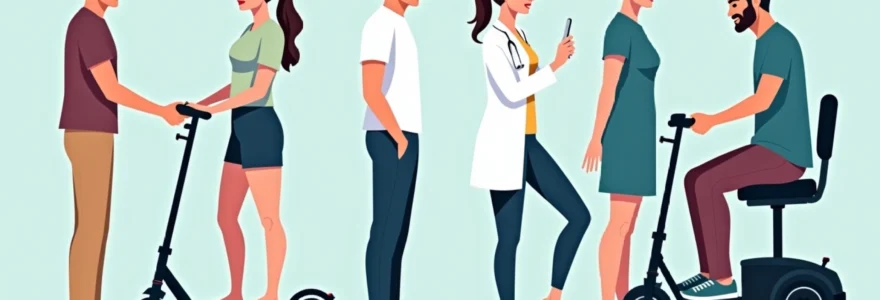
Knee scooters have become an increasingly popular mobility aid for individuals recovering from foot, ankle, or lower leg injuries. While these devices offer significant advantages over traditional crutches, including reduced energy expenditure and improved stability, they can sometimes cause unexpected discomfort in the weight-bearing knee. Research indicates that approximately 15% of knee scooter users experience some form of knee pain during their recovery period, with sedentary individuals facing a 4.67 times higher risk of developing complications.
Understanding the root causes of knee scooter-related discomfort is essential for optimising your recovery experience. The biomechanical demands placed on your supporting leg differ significantly from normal walking patterns, potentially leading to muscle imbalances, joint compression, and soft tissue irritation. Fortunately, most knee scooter-related pain can be effectively addressed through proper equipment adjustments, targeted therapeutic interventions, and strategic usage modifications.
Biomechanical causes of knee discomfort during knee scooter use
The transition from natural bipedal locomotion to knee scooter mobility fundamentally alters the biomechanical forces acting upon your lower extremity. This shift in weight distribution and movement patterns can create stress concentrations that manifest as knee pain, particularly when proper ergonomic principles are overlooked.
Improper weight distribution on the cushioned platform
When your injured leg rests on the knee platform, the distribution of body weight becomes crucial for maintaining joint health. Improper positioning can create pressure points that compress sensitive anatomical structures, leading to discomfort and potential tissue damage. The knee platform should support your leg at the tibial plateau level, allowing the femur to maintain its natural alignment without excessive flexion or extension.
Many users unconsciously shift their weight forward or backward on the platform, creating uneven pressure distribution across the knee joint. This compensation pattern often develops when the platform height is incorrectly adjusted, forcing the user to adopt awkward positioning to maintain balance and control. The resulting asymmetrical loading can stress the meniscus, irritate the synovial membrane, and compress the patellofemoral joint beyond comfortable limits.
Patellofemoral joint compression from prolonged kneeling
Extended periods of knee flexion place sustained compressive forces on the patellofemoral joint, where the kneecap articulates with the femur. This compression can reduce joint space, limit synovial fluid circulation, and create inflammatory responses within the joint capsule. The patella functions as a lever arm for the quadriceps muscle group, and when held in a flexed position for extended periods, it experiences increased contact pressures against the femoral condyles.
Research demonstrates that patellofemoral joint pressures increase exponentially with knee flexion angles beyond 30 degrees. When using a knee scooter with improper platform height, users often maintain flexion angles of 60-90 degrees, significantly elevating joint stress. This sustained compression can trigger pain receptors within the joint capsule and surrounding soft tissues, particularly in individuals with pre-existing patellofemoral dysfunction or cartilage sensitivity.
Quadriceps muscle imbalances and compensatory strain patterns
The altered movement mechanics required for knee scooter operation can create muscle imbalances within the quadriceps group and surrounding musculature. The vastus medialis oblique, responsible for proper patellar tracking, may become inhibited while other quadriceps components compensate for the unusual loading patterns. This imbalance can pull the patella laterally, creating maltracking and subsequent pain.
Additionally, the hip abductors and adductors must work harder to maintain lateral stability during single-leg weight bearing. This increased muscular demand can fatigue these muscle groups, leading to compensatory movement patterns that place additional stress on the knee joint. The gluteus medius, in particular, plays a crucial role in maintaining proper hip and knee alignment during knee scooter use, and its fatigue can contribute to valgus knee positioning and associated discomfort.
Tibial tubercle pressure points and soft tissue irritation
The tibial tubercle, a prominent bony landmark where the patellar tendon attaches, can become a significant pressure point when in contact with the knee platform. Inadequate cushioning or improper platform design can create concentrated forces at this anatomical location, leading to inflammation of the underlying soft tissues and potential development of bursitis.
The infrapatellar fat pad, positioned directly beneath the patella, can also become compressed and irritated during prolonged knee scooter use. This structure contains numerous pain receptors and blood vessels, making it particularly sensitive to sustained pressure. When the fat pad becomes inflamed, it can create a condition known as Hoffa’s syndrome, characterised by anterior knee pain that worsens with activity and pressure.
Ergonomic adjustments for optimal knee scooter configuration
Proper ergonomic setup forms the foundation of comfortable knee scooter use and significantly reduces the risk of developing pain or discomfort. Each adjustment parameter must be carefully calibrated to accommodate your unique anthropometric measurements and movement patterns, ensuring optimal biomechanical alignment throughout your recovery period.
Handlebar height calibration using the standing elbow rule
The handlebar height directly influences your posture and weight distribution while using the knee scooter. Optimal handlebar positioning should align with your natural elbow height when standing upright with relaxed shoulders. This measurement, known as the standing elbow rule, ensures that your upper extremities maintain a comfortable working angle without excessive flexion or extension at the shoulder joint.
When handlebars are positioned too high, you’ll experience increased shoulder elevation and potential neck strain as you reach upward to maintain control. Conversely, handlebars set too low force you into a hunched posture, placing excessive load on your lumbar spine and potentially shifting more weight onto your knee platform. The ideal configuration allows your elbows to maintain a slight bend of approximately 20-30 degrees while keeping your shoulders in a neutral, relaxed position.
Platform height adjustment for Hip-Knee alignment
The knee platform height represents the most critical adjustment for preventing knee pain and ensuring comfortable mobility. Your platform should be positioned so that your injured leg’s knee maintains approximately 90 degrees of flexion when your supporting foot is flat on the ground. This positioning allows for optimal weight distribution while minimising excessive joint compression.
To determine the correct platform height, measure the distance from your knee crease to the floor while sitting in a chair with your foot flat on the ground. This measurement provides a starting point for platform adjustment, though fine-tuning may be necessary based on your comfort level and stride mechanics. When properly adjusted, you should be able to place your full foot on the ground during each stride without excessive hip hiking or knee extension on your supporting leg.
Proper platform height is the single most important factor in preventing knee scooter-related discomfort and ensuring optimal mobility during your recovery period.
Steering column positioning for natural upper extremity mechanics
The steering column angle and positioning significantly impact your ability to manoeuvre the knee scooter efficiently while maintaining comfortable arm and shoulder positioning. Modern knee scooters often feature adjustable steering columns that can be angled to accommodate different user preferences and anatomical variations.
The steering column should be positioned to allow natural hand placement on the handlebars without excessive wrist deviation or forearm rotation. Your wrists should remain in a neutral position, avoiding both flexion and extension, while your forearms maintain a comfortable angle relative to your upper arms. This positioning reduces the risk of developing repetitive strain injuries in your wrists, forearms, and shoulders during extended use periods.
Brake system accessibility and hand positioning optimisation
Brake lever positioning plays a crucial role in both safety and comfort during knee scooter operation. The brake levers should be easily accessible without requiring excessive finger extension or grip strength, allowing for quick and efficient stopping when necessary. Proper brake positioning also prevents hand fatigue during extended use periods.
Most quality knee scooters feature adjustable brake lever reach, allowing you to customise the distance between the handlebars and brake levers based on your hand size and grip strength. The levers should be positioned so that you can comfortably engage them using your index and middle fingers while maintaining a secure grip on the handlebars with your remaining fingers. This configuration ensures optimal control and safety while reducing hand and forearm strain.
Therapeutic interventions and pain management protocols
When knee pain does develop from knee scooter use, implementing targeted therapeutic interventions can effectively reduce discomfort and prevent the progression of symptoms. A comprehensive approach combining physical modalities, exercises, and appropriate medication can address both the immediate pain response and underlying biomechanical factors contributing to the discomfort.
Cryotherapy application techniques for acute inflammatory response
Ice therapy remains one of the most effective initial treatments for knee scooter-related pain, particularly when inflammatory processes are involved. Proper cryotherapy application can reduce swelling, numb pain receptors, and decrease metabolic demands of the affected tissues. The optimal protocol involves applying ice for 15-20 minutes every 2-3 hours during acute pain episodes.
When applying ice therapy, use a thin barrier such as a pillowcase or towel between the ice pack and your skin to prevent ice burns. Focus the application on the specific areas of discomfort, whether at the patellofemoral joint, tibial tubercle, or surrounding soft tissues. Commercial cold therapy systems or simple ice packs wrapped in cloth provide effective cooling while maintaining safety and convenience.
Compression therapy using Medical-Grade knee sleeves
Compression therapy can provide significant relief for knee scooter-related discomfort by supporting the joint structures and improving proprioceptive feedback. Medical-grade knee sleeves offer graduated compression that enhances blood flow while providing gentle support to the surrounding musculature and ligamentous structures.
When selecting a compression sleeve for knee scooter use, choose a model that provides moderate compression (15-20 mmHg) without restricting circulation or causing discomfort during extended wear. The sleeve should fit snugly without creating pressure points or rolling at the edges. Neoprene-based sleeves offer excellent compression and warmth retention, while breathable synthetic materials may be preferable for users who experience excessive perspiration.
Progressive range of motion exercises for joint mobility
Maintaining joint mobility during knee scooter use is essential for preventing stiffness and reducing pain associated with prolonged positioning. Simple range of motion exercises can be performed throughout the day to counteract the effects of sustained knee flexion and promote healthy joint mechanics.
Gentle knee extension exercises can be performed while seated by slowly straightening your leg and holding the position for 10-15 seconds before returning to the starting position. Ankle pumps and circles help maintain circulation and prevent stiffness in the lower leg. Hip flexor stretches can address tightness that may develop from altered gait mechanics, while quadriceps stretches help maintain muscle length and reduce tension around the knee joint.
Analgesic options: topical NSAIDs versus oral pain relievers
Pain medication can play a valuable role in managing knee scooter-related discomfort, with both topical and oral options offering distinct advantages depending on your specific situation. Topical nonsteroidal anti-inflammatory drugs (NSAIDs) provide localised relief with minimal systemic absorption, making them ideal for addressing specific areas of knee pain.
Topical preparations containing diclofenac, ibuprofen, or other NSAIDs can be applied directly to painful areas 3-4 times daily, providing targeted anti-inflammatory effects without the gastrointestinal side effects associated with oral medications. For more widespread discomfort or when topical treatments prove insufficient, oral NSAIDs such as ibuprofen or naproxen can provide systemic anti-inflammatory benefits. Always consult with your healthcare provider before beginning any medication regimen, particularly if you have existing medical conditions or take other medications.
Combining multiple therapeutic modalities often provides superior pain relief compared to relying on any single intervention alone.
Alternative mobility solutions for knee pain sufferers
When knee scooter-related pain persists despite proper adjustments and therapeutic interventions, exploring alternative mobility solutions may be necessary to maintain independence while protecting your recovering injury. Several options exist that can provide effective mobility without placing excessive stress on the supporting knee joint.
All-terrain knee scooters with air-filled tires can significantly reduce vibration and impact forces that contribute to knee discomfort, particularly when navigating outdoor surfaces or uneven terrain. These models feature enhanced shock absorption capabilities that minimise the jarring sensations transmitted through the scooter frame to your knee platform. The improved ride quality can make a substantial difference for users who experience pain due to surface irregularities or prolonged outdoor use.
For individuals who continue to experience significant knee pain despite optimisation efforts, returning to traditional crutches or exploring seated mobility options such as wheelchairs may be necessary. While these alternatives may initially seem less convenient, they eliminate the direct weight-bearing stress on the supporting knee that characterises knee scooter use. Platform crutches or forearm crutches can provide an intermediate solution that reduces upper body fatigue compared to traditional axillary crutches while avoiding knee platform pressure.
Hybrid mobility solutions, such as alternating between different mobility aids throughout the day, can help prevent overuse injuries while maintaining functional independence. Many users find success using knee scooters for shorter distances or indoor activities while employing alternative methods for longer excursions or when knee discomfort becomes problematic. This approach allows you to benefit from the efficiency of knee scooter mobility while giving your supporting knee regular periods of relief from the sustained positioning requirements.
Preventive strategies for Long-Term knee scooter users
Prevention remains the most effective approach to managing knee scooter-related pain, requiring proactive attention to equipment maintenance, usage patterns, and physical conditioning. Long-term users, particularly those with extended recovery periods, must implement comprehensive preventive strategies to maintain comfort and avoid developing chronic pain conditions.
Regular equipment inspection and maintenance ensure optimal performance and comfort throughout your recovery period. The knee platform cushioning should be checked frequently for signs of compression, wear, or damage that could create pressure points or reduce shock absorption. Wheel alignment and bearing condition affect ride smoothness, with poorly maintained wheels creating vibrations that can contribute to knee discomfort during use.
Proactive equipment maintenance and usage modifications can prevent the majority of knee scooter-related complications before they develop into significant problems.
Scheduled rest periods represent a crucial component of long-term knee scooter use, allowing your supporting leg to recover from the sustained positioning and loading demands. Implementing regular breaks every 30-45 minutes of continuous use provides opportunities for joint decompression, muscle relaxation, and circulation enhancement. During these rest periods, perform gentle stretching exercises, elevate your legs, and allow your knee to move through its full range of motion.
Physical conditioning targeted at maintaining strength and flexibility in your supporting leg can significantly reduce the risk of developing pain or dysfunction. Focus on strengthening exercises for the quadriceps, hamstrings, and hip stabilisers to maintain muscle balance and joint stability. Proprioceptive training using balance boards or single-leg standing exercises can improve your body’s ability to maintain optimal positioning and reduce compensatory movement patterns that contribute to knee stress.
Environmental modifications within your home and workplace can reduce the physical demands placed on your supporting knee during knee scooter use. Installing temporary ramps over small thresholds, ensuring adequate lighting along frequently travelled routes, and removing obstacles that require sudden direction changes all contribute to smoother, less stressful mobility experiences. These modifications not only improve safety but also reduce the muscular effort required to navigate your environment, decreasing fatigue and associated pain risk.