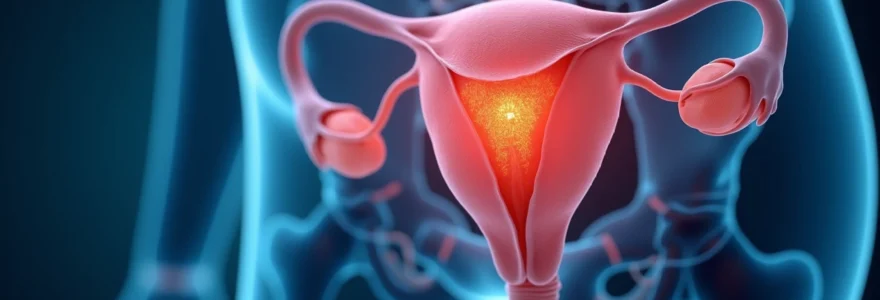
Sexual dysfunction affects millions of people worldwide, with reduced or absent sensation during intimate encounters being one of the most distressing yet underreported concerns. This complex condition transcends age, gender, and relationship status, manifesting as diminished physical response to sexual stimulation that once provided pleasure. The underlying mechanisms involve intricate networks of neurological pathways, hormonal cascades, and vascular systems that work in harmony to create the physiological foundation for sexual satisfaction. When these systems become compromised through various medical, pharmaceutical, or psychological factors, the result can be profoundly frustrating for individuals and their partners, often leading to relationship strain and reduced quality of life.
Neurological factors affecting sexual sensation and arousal response
The nervous system serves as the primary conductor of sexual sensation, transmitting signals from the genital region through complex neural pathways to the brain and back again. When neurological disorders disrupt these pathways, the consequences for sexual function can be significant and lasting. Understanding how various neurological conditions impact sexual sensation provides crucial insight into treatment approaches and management strategies.
Peripheral neuropathy impact on genital nerve function
Peripheral neuropathy represents a broad category of conditions affecting the peripheral nervous system, which includes all nerves outside the brain and spinal cord. The genital region contains numerous sensitive nerve endings that rely on healthy peripheral nerve function to transmit pleasurable sensations during sexual activity. When peripheral neuropathy develops, these nerves become damaged or dysfunctional, leading to reduced sensitivity or complete numbness in the affected areas.
The pudendal nerve, which innervates much of the external genitalia, is particularly vulnerable to neuropathic changes. This nerve controls sensation in the penis, clitoris, labia, and perineum, making its proper function essential for sexual pleasure. Diabetic neuropathy commonly affects this region, as prolonged elevated blood glucose levels damage nerve fibres throughout the body. Additionally, entrapment syndromes can occur when the pudendal nerve becomes compressed as it travels through tight anatomical spaces, resulting in chronic pain or numbness that significantly impairs sexual function.
Spinal cord injury classifications and sensory pathway disruption
Spinal cord injuries create profound disruptions in the transmission of sensory and motor signals between the brain and the rest of the body. The level and completeness of injury determine the extent of sexual dysfunction experienced by affected individuals. Complete injuries result in total loss of sensation below the level of damage, whilst incomplete injuries may preserve some sensory and motor function, creating a more complex picture of sexual capability.
The sacral segments of the spinal cord (S2-S4) are particularly crucial for sexual function, as they contain the nerve roots responsible for genital sensation and reflexive sexual responses. Injuries above this level may preserve some reflexive sexual function, including the ability to achieve erection or lubrication through tactile stimulation, even when conscious sensation is absent. However, the psychological component of sexual pleasure becomes significantly compromised when the brain cannot process genital sensations.
Multiple sclerosis demyelination effects on sexual response
Multiple sclerosis attacks the myelin sheaths that insulate nerve fibres throughout the central nervous system, creating a range of neurological symptoms that can profoundly impact sexual function. The demyelination process disrupts the efficient transmission of nerve impulses, leading to delayed, diminished, or absent sensory responses during sexual activity. Sexual dysfunction affects approximately 70-90% of individuals with multiple sclerosis, making it one of the most common complications of the disease.
The unpredictable nature of multiple sclerosis exacerbations means that sexual function can fluctuate significantly over time. Some individuals experience periods of relatively normal sensation interspersed with episodes of profound numbness or altered sensation. The condition can also affect autonomic nervous system function, leading to problems with arousal, lubrication, and orgasmic response that compound the sensory difficulties.
Diabetic neuropathy and reduced genital sensitivity
Diabetes mellitus represents one of the most common causes of acquired neuropathy affecting sexual function. Chronic hyperglycaemia damages small blood vessels that supply peripheral nerves, leading to ischaemia and subsequent nerve dysfunction. The distal, small-calibre nerves that innervate the genital region are particularly susceptible to this process, often being among the first to show signs of diabetic damage.
The progression of diabetic neuropathy typically follows a predictable pattern, beginning with subtle changes in sensation that may initially go unnoticed. Early symptoms might include reduced sensitivity to light touch or temperature changes in the genital area. As the condition advances, more significant sensory deficits develop, potentially progressing to complete numbness. The condition affects both men and women, though the manifestations differ based on anatomical considerations and the specific nerve distributions involved.
Hormonal imbalances and endocrine system disruptions
The endocrine system orchestrates sexual function through a complex interplay of hormones that influence libido, arousal, and sensory responsiveness. When hormonal imbalances occur, they can significantly impact the physiological processes that underpin sexual sensation and pleasure. These disruptions can arise from natural life transitions, medical conditions, or external influences that interfere with normal hormonal production and regulation.
Testosterone deficiency syndrome in male sexual sensation
Testosterone plays a fundamental role in male sexual function, influencing not only libido but also the physiological mechanisms that generate pleasurable sensations during sexual activity. Hypogonadism , or testosterone deficiency, can result from primary testicular dysfunction or secondary causes involving the hypothalamic-pituitary axis. The condition becomes increasingly common with advancing age, affecting approximately 20% of men over 60 years of age.
Low testosterone levels directly impact the sensitivity of genital tissues to sexual stimulation. The hormone influences nerve function, blood flow, and the structural integrity of erectile tissues, all of which contribute to the intensity of sexual sensations. Men with testosterone deficiency often report diminished pleasure during sexual activity, reduced intensity of orgasm, and decreased overall sexual satisfaction. The condition also affects the psychological aspects of sexual response, as testosterone influences mood, energy levels, and sexual motivation.
Oestrogen decline and vulvovaginal atrophy
Oestrogen deficiency, particularly common during menopause and postmenopausal years, creates significant changes in female genital tissues that can profoundly impact sexual sensation. The hormone maintains the thickness, elasticity, and lubrication of vaginal tissues whilst supporting the blood supply to the vulvar and vaginal areas. When oestrogen levels decline, these tissues undergo atrophic changes that reduce their sensitivity to sexual stimulation.
Vulvovaginal atrophy affects the majority of postmenopausal women, though symptoms can begin during perimenopause when hormonal fluctuations first occur. The condition involves thinning of the vaginal walls, reduced elasticity, and decreased natural lubrication production. These physical changes not only create discomfort during sexual activity but also diminish the nerve endings’ ability to respond to pleasurable stimulation. The result is often described as reduced genital sensitivity that can make achieving sexual satisfaction significantly more challenging.
Thyroid dysfunction impact on libido and sensory response
Thyroid hormones regulate metabolic processes throughout the body, including those that influence sexual function and sensory responsiveness. Both hyperthyroidism and hypothyroidism can create sexual dysfunction, though through different mechanisms. Hypothyroidism, the more common condition, typically results in decreased libido, reduced energy levels, and diminished overall sexual responsiveness that extends to physical sensation during intimate encounters.
The relationship between thyroid function and sexual sensation involves multiple pathways. Thyroid hormones influence neurotransmitter production, blood flow regulation, and cellular metabolism in tissues throughout the reproductive system. When thyroid function becomes compromised, these processes slow down, leading to reduced sensitivity and delayed sexual responses. Additionally, the fatigue and mood changes associated with thyroid dysfunction can create psychological barriers that further compound physical sensory deficits.
Cortisol elevation and chronic Stress-Related desensitisation
Chronic elevation of cortisol, the primary stress hormone, creates a cascade of physiological changes that can significantly impact sexual function and sensation. Prolonged stress activates the hypothalamic-pituitary-adrenal axis, leading to sustained cortisol production that interferes with the normal hormonal balance required for healthy sexual response. This stress response system was designed for acute threats but becomes problematic when activated continuously by modern lifestyle stressors.
High cortisol levels suppress the production of sex hormones, including testosterone and oestrogen, whilst also directly affecting nerve function and blood flow patterns. The result is a state of physiological sexual dampening where the body’s ability to generate and perceive pleasurable sensations becomes compromised. Additionally, chronic stress often leads to muscle tension, particularly in the pelvic floor muscles, which can further reduce sexual sensation and responsiveness.
Pharmaceutical interventions and Medication-Induced anorgasmia
Numerous medications prescribed for common medical conditions can significantly impact sexual sensation and function as unintended side effects. Understanding these medication-induced effects is crucial for both healthcare providers and patients, as the impact on sexual health can be profound and may affect treatment compliance and quality of life. The mechanisms by which medications influence sexual function vary considerably, involving neurotransmitter systems, hormonal pathways, and vascular responses.
SSRI antidepressants and Serotonin-Mediated sexual dysfunction
Selective serotonin reuptake inhibitors represent one of the most commonly prescribed classes of antidepressants, yet they frequently cause significant sexual side effects that can persist throughout treatment. These medications increase serotonin levels in the brain by blocking its reuptake, which helps alleviate depression but simultaneously interferes with sexual function. The enhanced serotonergic activity suppresses dopamine and norepinephrine pathways that are crucial for sexual arousal and orgasmic response.
The sexual side effects of SSRIs are dose-dependent and affect the majority of users to some degree. Common complaints include delayed orgasm, reduced intensity of sexual sensations, and in some cases, complete inability to achieve climax despite adequate arousal. These effects can occur within days of starting treatment and may worsen over time. The impact extends beyond orgasmic function to include reduced genital sensitivity and decreased overall sexual satisfaction, creating a complex clinical challenge when balancing mental health treatment with sexual wellbeing.
Antihistamine anticholinergic effects on sexual response
Antihistamines, particularly first-generation medications with anticholinergic properties, can interfere with sexual function through multiple mechanisms. These drugs block acetylcholine receptors throughout the body, affecting both the parasympathetic nervous system responses crucial for sexual arousal and the local cholinergic mechanisms that regulate genital blood flow and sensitivity. The anticholinergic effects can reduce natural lubrication production and diminish the physiological responses necessary for sexual pleasure.
The sedating effects of many antihistamines compound their direct impact on sexual function by reducing overall arousal and responsiveness. Users often report feeling disconnected from physical sensations during sexual activity, describing a general dampening of sensory input that extends beyond the genital region. This medication-induced sensory blunting can persist for hours after taking the medication, making timing of doses an important consideration for sexually active individuals.
Beta-blocker cardiovascular medications and reduced arousal
Beta-blocking medications, commonly prescribed for hypertension and cardiac conditions, can significantly impact sexual function by interfering with the sympathetic nervous system responses involved in sexual arousal. These medications reduce heart rate and blood pressure whilst also affecting the vascular changes necessary for genital engorgement during sexual stimulation. The result is often reduced physical responsiveness and diminished intensity of sexual sensations.
The impact of beta-blockers on sexual function varies depending on their selectivity and dosage. Non-selective beta-blockers tend to cause more significant sexual side effects than their selective counterparts, as they block a broader range of adrenergic receptors involved in sexual response. Patients often describe feeling physically unable to reach their usual level of arousal, despite maintained psychological interest in sexual activity. This disconnect between mental and physical sexual responses can be particularly frustrating and may lead to avoidance of intimate encounters.
Opioid analgesics and hypogonadotropic hypogonadism
Long-term opioid use, whether for chronic pain management or substance abuse, frequently leads to opioid-induced hypogonadotropic hypogonadism. This condition involves suppression of the hypothalamic-pituitary-gonadal axis, resulting in dramatically reduced production of sex hormones. The effect occurs with all classes of opioids and can develop within weeks of initiating regular use, though it may take months or years to become clinically apparent.
The sexual consequences of opioid-induced hypogonadism are extensive, affecting libido, arousal capacity, and genital sensitivity. Users frequently report a profound loss of sexual interest accompanied by reduced physical responsiveness during sexual activity. The combination of hormonal suppression and direct opioid effects on nerve function creates a particularly challenging form of sexual dysfunction that can persist long after opioid discontinuation. Recovery of normal sexual function may take many months and often requires hormonal intervention to restore normal endocrine balance.
Vascular and circulatory insufficiency affecting genital blood flow
Adequate blood flow to the genital region is fundamental for normal sexual sensation and arousal responses. The intricate vascular networks that supply the penis, clitoris, and surrounding tissues must function properly to enable the engorgement and heightened sensitivity that characterise healthy sexual response. When circulatory problems develop, they can significantly compromise sexual function by reducing the blood flow necessary for optimal genital sensitivity and responsiveness.
Cardiovascular disease represents the most common cause of vascular-related sexual dysfunction, affecting millions of individuals worldwide. Atherosclerosis, the buildup of plaque within arterial walls, can reduce blood flow to genital tissues just as it affects circulation to the heart and other organs. The smaller diameter arteries that supply the genital region are often among the first to show signs of atherosclerotic narrowing, making sexual dysfunction an early indicator of broader cardiovascular health concerns.
Diabetes mellitus creates particularly complex vascular problems that affect sexual function through multiple pathways. The condition damages both large and small blood vessels, leading to reduced circulation throughout the body. In the genital region, diabetic vascular disease can impair the rapid blood flow changes necessary for sexual arousal whilst also affecting the nerve function that controls vascular responses. This dual impact of vascular and neurological damage creates a compound effect that can severely compromise sexual sensation and function.
Hypertension and its treatment can both contribute to sexual dysfunction through vascular mechanisms. Chronic high blood pressure damages blood vessel walls and reduces their ability to respond to the normal signals that regulate blood flow during sexual arousal. Additionally, many antihypertensive medications can interfere with the vascular responses necessary for sexual function, creating a complex clinical situation where treating one condition may exacerbate another.
Smoking represents one of the most significant modifiable risk factors for vascular-related sexual dysfunction. Tobacco use damages blood vessel walls whilst also reducing nitric oxide availability, a crucial chemical mediator of vascular dilation during sexual arousal. The effects of smoking on sexual function can be particularly pronounced in younger individuals who might not yet show other signs of cardiovascular disease but may experience sexual dysfunction as an early manifestation of tobacco-related vascular damage.
The relationship between vascular health and sexual function is so strong that sexual dysfunction is now recognised as an early warning sign of cardiovascular disease, often preceding heart attacks or strokes by several years.
Psychological and psychosomatic contributors to sexual anaesthesia
The psychological components of sexual function are intrinsically linked to physical sensation, creating a complex interplay where mental and emotional factors can significantly impact the perception and intensity of sexual pleasure. Psychological sexual anaesthesia refers to the diminished or absent sexual sensation that results primarily from mental or emotional factors rather than physical dysfunction. This condition demonstrates the powerful influence of the mind on sexual response and highlights the importance of addressing psychological factors in comprehensive sexual health treatment.
Anxiety disorders frequently contribute to reduced sexual sensation through multiple mechanisms. Performance anxiety creates a cycle where worry about sexual function interferes with the relaxation necessary for optimal sexual response. The sympathetic nervous system activation associated with anxiety diverts blood flow away from the genital region whilst simultaneously increasing muscle tension that can reduce sensitivity. Generalised anxiety can have similar effects, as the chronic state of physiological arousal associated with anxiety disorders is incompatible with the parasympathetic dominance required for sexual pleasure.
Depression profoundly impacts sexual function through both neurochemical and psychological pathways.
The neurochemical changes associated with depression, particularly alterations in serotonin, dopamine, and norepinephrine levels, directly affect the brain’s reward and pleasure centres. These neurotransmitter imbalances can blunt the intensity of sexual sensations whilst simultaneously reducing the motivation to engage in intimate activities. The cognitive symptoms of depression, including difficulty concentrating and negative thought patterns, further interfere with the mental focus required for sexual pleasure.
Trauma-related sexual dysfunction represents one of the most complex forms of psychological sexual anaesthesia. Past experiences of sexual abuse, assault, or other traumatic events can create protective psychological mechanisms that shut down sexual sensation as a form of self-preservation. The body may develop conditioned responses that trigger dissociation or emotional numbing during intimate situations, effectively blocking the neural pathways responsible for sexual pleasure. Post-traumatic stress disorder can manifest in sexual contexts through hypervigilance, flashbacks, or panic responses that completely override normal sexual sensation and arousal mechanisms.
Body image concerns and self-consciousness during intimate moments can significantly impact sexual sensation through distraction and anxiety. When individuals become preoccupied with physical appearance or performance concerns, their attention shifts away from pleasurable sensations toward self-monitoring and worry. This cognitive interference disrupts the mindful awareness necessary for optimal sexual response, creating a form of psychological anaesthesia where physical sensations are present but not fully processed or enjoyed.
Relationship dynamics and emotional connection with sexual partners play crucial roles in sexual sensation intensity. Poor communication, unresolved conflicts, or lack of emotional intimacy can create psychological barriers that diminish sexual responsiveness. The brain’s reward centres respond not only to physical stimulation but also to feelings of safety, trust, and emotional connection with partners. When these psychological foundations are compromised, the neurological pathways that amplify sexual pleasure may become suppressed, resulting in reduced sensation even when physical stimulation remains adequate.
Age-related physiological changes and sensory decline
The natural ageing process brings predictable changes to sexual function and sensation that affect both men and women, though the specific manifestations and timelines vary considerably between individuals. Understanding these age-related changes helps distinguish between normal physiological evolution and pathological conditions requiring medical intervention. The gradual decline in sexual sensation associated with ageing involves multiple body systems working in concert, creating a complex picture that extends beyond simple hormonal changes.
Neurological changes associated with ageing can significantly impact sexual sensation through multiple mechanisms. The number of nerve fibres naturally decreases with age, whilst the remaining nerves may show reduced conduction velocity and altered sensitivity thresholds. The peripheral nerves serving the genital region are particularly susceptible to these age-related changes, leading to gradually diminished sensitivity to touch, temperature, and vibration. Additionally, central nervous system changes can affect the brain’s processing of sexual stimuli, potentially reducing the intensity of perceived sensations even when peripheral nerve function remains relatively intact.
Vascular changes represent another major component of age-related sexual dysfunction. The arteries supplying the genital region undergo structural changes similar to those affecting circulation throughout the body. Arterial walls become less elastic, whilst the smooth muscle cells that control vascular dilation may become less responsive to the chemical signals that normally increase blood flow during sexual arousal. These vascular changes can significantly impact the engorgement responses necessary for optimal sexual sensation in both men and women, leading to reduced physical responsiveness despite maintained psychological interest.
Hormonal transitions associated with ageing create some of the most noticeable changes in sexual function and sensation. In women, the menopausal transition involves dramatic reductions in oestrogen and progesterone levels that affect genital tissue health, lubrication production, and nerve sensitivity. The process typically begins during perimenopause, when hormonal fluctuations can create unpredictable changes in sexual response. Men experience a more gradual decline in testosterone levels, often referred to as andropause or late-onset hypogonadism, which can reduce libido, erectile function, and overall sexual satisfaction.
Tissue changes in the genital region become increasingly apparent with advancing age, particularly in postmenopausal women. The decline in oestrogen levels leads to thinning of vaginal walls, reduced elasticity, and decreased natural lubrication production. These changes, collectively known as vulvovaginal atrophy, can create discomfort during sexual activity whilst simultaneously reducing the tissue’s sensitivity to pleasurable stimulation. Similar though less dramatic changes occur in male genital tissues, where reduced testosterone levels can affect the sensitivity and responsiveness of erectile tissues.
The accumulation of chronic health conditions with ageing creates additional challenges for sexual function and sensation. Diabetes, cardiovascular disease, arthritis, and other common age-related conditions can directly impact sexual response through the mechanisms previously described. Additionally, the medications used to treat these conditions often carry sexual side effects that compound the direct disease-related impacts. The result is often a complex interaction of multiple factors that can significantly compromise sexual sensation and satisfaction in older adults.
Despite these challenges, it’s important to recognise that sexual function and pleasure can be maintained throughout the lifespan with appropriate interventions and adaptations. Many age-related changes in sexual sensation can be addressed through medical treatments, lifestyle modifications, and changes in sexual practices that accommodate physiological changes. The key lies in understanding that sexual health remains an important component of overall wellbeing regardless of age, and that reduced sensation should not be dismissed as an inevitable consequence of growing older.
Research indicates that individuals who maintain regular sexual activity throughout their lives tend to preserve better sexual function and sensation compared to those who become sexually inactive, suggesting that continued engagement may help maintain neural pathways and tissue health.