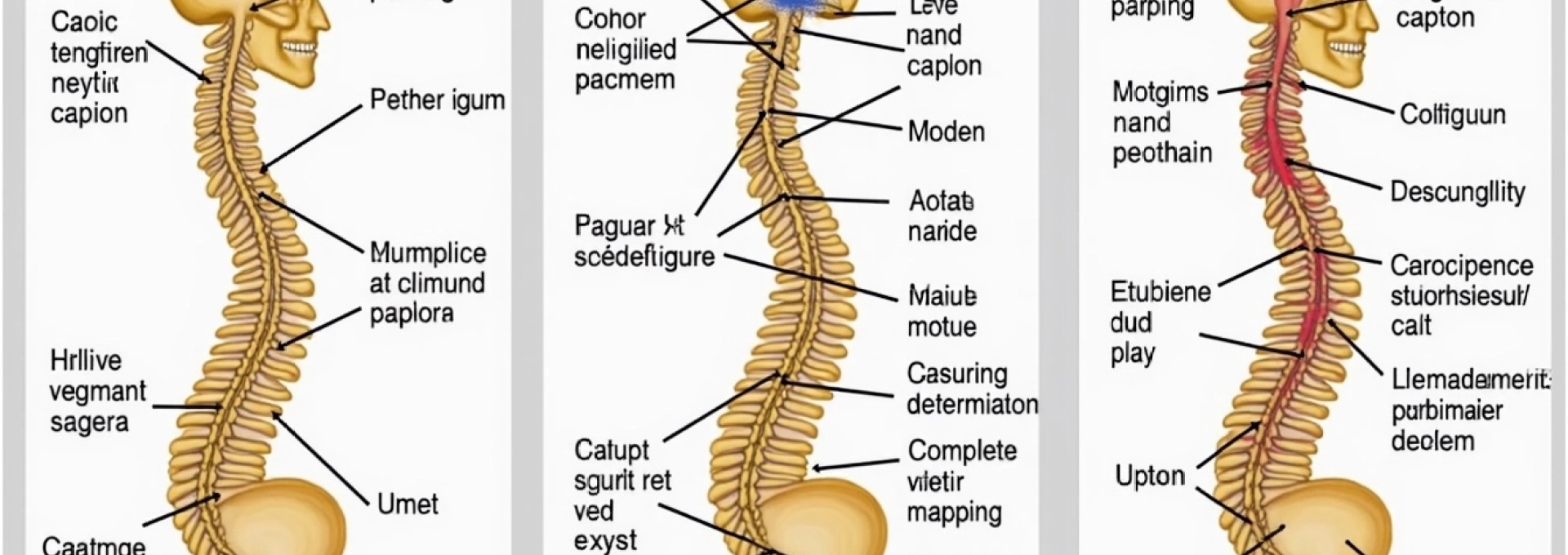
Myelomalacia represents one of the most complex and devastating forms of spinal cord pathology, characterised by the progressive softening and deterioration of neural tissue within the spinal cord parenchyma. This condition, often arising as a consequence of chronic compression, ischaemic injury, or direct trauma, follows a predictable yet variable progression through distinct stages that profoundly impact patient outcomes. Understanding the intricate mechanisms underlying myelomalacic changes has become increasingly critical for clinicians managing patients with cervical myelopathy and other spinal cord disorders. The staging of myelomalacia not only guides therapeutic decision-making but also provides valuable prognostic information for patients and their families navigating this challenging condition.
Pathophysiology of myelomalacia: cellular mechanisms and tissue degradation
The pathophysiological cascade leading to myelomalacia involves a complex interplay of cellular and molecular mechanisms that unfold over time. Initial insults to the spinal cord, whether through mechanical compression, vascular compromise, or inflammatory processes, trigger a series of destructive pathways that ultimately result in irreversible tissue damage. The progression from initial injury to established myelomalacia follows predictable patterns that can be tracked through advanced imaging techniques and clinical assessment tools.
Primary demyelination process in spinal cord parenchyma
The earliest stage of myelomalacia begins with primary demyelination, where oligodendrocytes become compromised and lose their ability to maintain myelin sheaths around axons. This process typically occurs within hours to days following the initial insult and represents the first identifiable pathological change on magnetic resonance imaging. The loss of myelin integrity disrupts normal electrical conduction along neural pathways, leading to the characteristic early symptoms of weakness, sensory disturbance, and coordination difficulties that patients with developing myelomalacia experience.
Secondary axonal degeneration following initial insult
As demyelination progresses, secondary axonal degeneration becomes evident, marking a critical transition in the myelomalacic process. This stage typically develops within days to weeks of the initial injury and involves the actual destruction of nerve fibres themselves. Unlike demyelination, which can potentially be reversible under certain circumstances, axonal degeneration represents a more permanent form of damage that significantly limits recovery potential. The extent of axonal loss directly correlates with long-term functional outcomes and serves as an important prognostic indicator for clinicians.
Inflammatory cascade response in grey and white matter
The inflammatory response within both grey and white matter structures plays a pivotal role in the progression of myelomalacia. Activated microglia and infiltrating inflammatory cells release a cascade of cytokines, free radicals, and other toxic mediates that exacerbate tissue damage. This inflammatory process can persist for weeks to months following the initial insult, creating a hostile environment that impedes natural healing mechanisms. Understanding this inflammatory component has led to the development of targeted therapeutic interventions aimed at modulating the immune response to limit secondary injury.
Vascular compromise and ischaemic necrosis patterns
Vascular compromise represents a critical component of myelomalacic progression, with ischaemic changes often preceding and accelerating tissue deterioration. The spinal cord’s unique vascular anatomy, with watershed areas particularly vulnerable to hypoperfusion, creates specific patterns of necrosis that can be identified on imaging studies. Compression of the anterior spinal artery or disruption of the intricate network of radicular arteries leads to predictable zones of ischaemic injury that expand over time if not addressed promptly.
Glial scarring formation and astrocytic proliferation
The final stage of acute myelomalacic changes involves the formation of glial scarring and astrocytic proliferation, representing the spinal cord’s attempt to contain and isolate damaged tissue. While this scarring process serves a protective function, it also creates physical barriers that impede axonal regeneration and functional recovery. The extent and density of glial scar formation correlate with the severity of the initial insult and play a significant role in determining long-term rehabilitation potential.
Clinical classification systems: modified frankel and ASIA impairment scales
Accurate staging of myelomalacia requires standardised assessment tools that can reliably quantify neurological function and track changes over time. The development of comprehensive classification systems has revolutionised our ability to compare treatment outcomes, predict prognosis, and guide therapeutic decisions in patients with spinal cord pathology. These systems provide objective frameworks for evaluating the complex neurological presentations associated with different stages of myelomalacic progression.
Frankel grade assessment methodology for functional outcomes
The modified Frankel grading system offers a practical approach to classifying functional capacity in patients with myelomalacia, ranging from complete paralysis to normal function. This classification system emphasises functional independence and mobility status, making it particularly valuable for rehabilitation planning and outcome prediction. Grade A represents complete motor and sensory loss, while Grade E indicates normal neurological function, with intermediate grades reflecting varying degrees of incomplete injury patterns that correspond to different stages of myelomalacic progression.
ASIA motor and sensory scoring protocol application
The American Spinal Injury Association (ASIA) impairment scale provides a more detailed and quantitative assessment of neurological function through systematic motor and sensory testing. This comprehensive evaluation protocol assigns numerical scores to specific muscle groups and sensory dermatomes, creating a standardised method for documenting the extent of myelomalacic involvement. The ASIA motor score, ranging from 0 to 100 points, offers particular sensitivity in detecting subtle changes in function that may occur during the evolution of myelomalacia or following therapeutic interventions.
Neurological level determination using dermatome mapping
Precise determination of the neurological level of injury requires careful dermatome mapping to identify the most caudal segment with normal sensory function. This assessment becomes particularly challenging in myelomalacia cases, where the pathological process may involve multiple levels simultaneously or progress caudally over time. Accurate level determination influences surgical planning, rehabilitation strategies, and prognostic discussions with patients and families.
Complete versus incomplete lesion classification criteria
The distinction between complete and incomplete myelomalacic lesions carries profound implications for prognosis and treatment planning. Complete lesions, characterised by total loss of motor and sensory function below the level of injury, generally indicate extensive tissue destruction with limited recovery potential. Incomplete lesions, where some function remains preserved, suggest that viable neural tissue persists and may respond favourably to appropriate interventions. This classification drives critical decisions regarding the timing and extent of surgical decompression and rehabilitation efforts.
Stage-specific radiological manifestations on MRI T2-Weighted sequences
Magnetic resonance imaging has transformed our understanding of myelomalacic progression by providing detailed visualisation of pathological changes within the spinal cord parenchyma. T2-weighted sequences demonstrate exceptional sensitivity for detecting early tissue changes and tracking the evolution of myelomalacia through its various stages. The characteristic signal patterns observed on MRI correspond closely with the underlying pathophysiological processes and provide valuable prognostic information that guides clinical management decisions.
Acute phase hyperintensity patterns and cord oedema
During the acute phase of myelomalacia development, T2-weighted MRI sequences reveal characteristic hyperintense signal changes within the spinal cord, reflecting tissue oedema and early cellular disruption. These signal abnormalities typically appear within hours of the initial insult and may extend several segments beyond the primary site of injury. The extent and intensity of these early changes correlate with the severity of the underlying pathological process and provide important prognostic information regarding potential for recovery.
The acute phase hyperintensity patterns serve as early warning signs that aggressive intervention may be necessary to prevent progression to irreversible myelomalacic changes.
Subacute cavitation development on sagittal STIR images
As myelomalacia progresses into the subacute phase, typically occurring weeks to months after the initial insult, cavitation begins to develop within the affected cord segments. Short Tau Inversion Recovery (STIR) sequences demonstrate particular sensitivity for detecting these early cystic changes, which represent areas of tissue necrosis and liquefaction. The development of cavitation marks a critical transition point in the myelomalacic process, indicating that irreversible tissue damage has occurred and that functional recovery potential may be significantly limited.
Chronic myelomalacic changes and syrinx formation
Chronic myelomalacia is characterised by the formation of well-defined cystic cavities or syrinxes within the spinal cord parenchyma, representing the end-stage of the pathological process. These fluid-filled cavities may communicate with the central canal or exist as isolated chambers surrounded by glial scar tissue. The size and extent of syrinx formation directly correlate with the degree of functional impairment and serve as important radiological markers for staging chronic myelomalacic disease.
Diffusion tensor imaging findings in white matter tract integrity
Advanced imaging techniques such as diffusion tensor imaging (DTI) provide unprecedented insight into white matter tract integrity during myelomalacic progression. DTI metrics, including fractional anisotropy and mean diffusivity, can detect subtle changes in tissue microstructure before they become apparent on conventional MRI sequences. These sophisticated imaging biomarkers offer promise for early detection of myelomalacic changes and may eventually guide decisions regarding the timing of therapeutic interventions.
Progressive neurological deterioration timeline and clinical markers
The clinical progression of myelomalacia follows predictable patterns that can be tracked through careful neurological assessment and functional testing. Understanding the typical timeline of deterioration helps clinicians anticipate changes in patient status and implement appropriate interventions at optimal timing. The rate of progression varies significantly between individuals and depends on multiple factors including the underlying aetiology, patient age, and comorbid conditions.
Early clinical markers of progressive myelomalacia include subtle changes in fine motor function, particularly affecting hand dexterity and coordination. Patients may report increasing difficulty with activities such as buttoning clothes, writing, or manipulating small objects. These early functional changes often precede more obvious neurological deficits and represent important opportunities for early intervention. The grip and release test, where patients struggle to perform rapid finger movements, serves as a sensitive clinical indicator of developing upper motor neuron dysfunction.
Gait disturbances typically emerge as myelomalacia progresses to involve the corticospinal tracts more extensively. Patients develop characteristic spastic gait patterns with circumduction, foot drop, and balance difficulties that significantly impact mobility and independence. The progression from subtle gait instability to frank ataxia and falls represents a critical transition point that often prompts more aggressive therapeutic interventions. Regular assessment using standardised gait analysis tools can help quantify these changes and guide treatment decisions.
Sensory disturbances evolve in parallel with motor dysfunction, beginning with subtle changes in proprioception and light touch sensation before progressing to more profound deficits. The characteristic “glove and stocking” pattern of sensory loss in myelomalacia reflects the anatomical organisation of sensory tracts within the spinal cord. Pain sensation, mediated by the lateral spinothalamic tract, may be preserved longer than other sensory modalities due to the tract’s lateral location within the cord.
Progressive myelomalacia follows a step-wise deterioration pattern with periods of stability punctuated by episodes of rapid functional decline, making careful monitoring essential for optimal patient management.
Autonomic dysfunction represents a later manifestation of advanced myelomalacia, with bladder and bowel control typically affected when the pathological process extends to involve the conus medullaris or cauda equina. Urinary retention, incontinence, and neurogenic bladder dysfunction significantly impact quality of life and may predispose patients to recurrent urinary tract infections and other complications. The development of autonomic symptoms often indicates advanced disease with limited potential for recovery.
Therapeutic interventions: methylprednisolone protocol and surgical decompression
Treatment strategies for myelomalacia must be tailored to the specific stage of disease progression and underlying pathophysiology. Early intervention during the acute phase offers the greatest potential for preserving neurological function and preventing progression to irreversible tissue damage. The therapeutic window for effective intervention narrows significantly as myelomalacic changes become established, emphasising the importance of rapid diagnosis and treatment initiation.
High-dose methylprednisolone therapy has been extensively studied as a potential neuroprotective intervention for acute spinal cord injury and early myelomalacia. The National Acute Spinal Cord Injury Study (NASCIS) protocols established specific dosing regimens that aim to reduce secondary inflammatory injury and preserve viable neural tissue. However, the efficacy of corticosteroid therapy in myelomalacia remains controversial, with recent studies questioning the risk-benefit ratio and highlighting potential complications including increased infection rates and impaired wound healing.
Surgical decompression represents the definitive treatment for myelomalacia secondary to mechanical compression of the spinal cord. The timing of surgical intervention critically influences outcomes, with early decompression offering the best potential for neurological recovery. Anterior cervical discectomy and fusion (ACDF) remains the gold standard for addressing ventral compression at one or two levels, while posterior approaches including laminoplasty may be preferred for multilevel disease or when maintaining spinal motion is desired.
The choice of surgical approach depends on multiple factors including the location and extent of compression, spinal alignment, number of affected levels, and surgeon experience. Combined anterior and posterior procedures may be necessary for complex cases involving multilevel disease or significant spinal instability. Postoperative C5 nerve palsy remains a recognised complication that occurs in approximately 4.6% of patients undergoing cervical decompression surgery, typically manifesting as deltoid and biceps weakness that gradually improves over months.
Emerging therapeutic approaches for myelomalacia include cell-based therapies, growth factor administration, and tissue engineering strategies aimed at promoting neural regeneration and functional recovery. Mesenchymal stem cell transplantation has shown promising results in animal models and early human studies, potentially offering hope for patients with established myelomalacic changes who previously had limited treatment options. These innovative therapies remain investigational but represent exciting frontiers in spinal cord injury research.
Long-term prognosis and functional recovery outcomes based on staging
The long-term prognosis for patients with myelomalacia depends heavily on the stage at which the condition is diagnosed and treated, with early intervention offering significantly better outcomes than delayed management. Patients who undergo surgical decompression before the development of T2 signal hyperintensity on MRI typically achieve better functional recovery than those with established signal changes. The presence of T1 hypointensity, indicating severe tissue damage or cavitation, generally correlates with poor recovery potential regardless of treatment timing.
Functional recovery patterns vary significantly based on the initial severity of neurological impairment and the extent of myelomalacic involvement. Patients with mild myelopathy, as defined by modified Japanese Orthopaedic Association (mJOA) scores above 15, generally experience good functional outcomes following appropriate treatment. Those with severe myelopathy, scoring below 12 on the mJOA scale, face more limited recovery potential and may require extensive rehabilitation support to achieve optimal function.
Recovery trajectories typically show initial improvement during the first year following treatment, with most neurological gains occurring within the first six months. However, some patients continue to experience gradual functional improvements for up to two years post-treatment. The ability to predict individual recovery potential remains challenging, though several prognostic factors including age, duration of symptoms, preoperative functional status, and extent of cord compression have been identified as important determinants of outcome.
Quality of life considerations become paramount for patients with advanced myelomalacia who face permanent functional limitations. Comprehensive rehabilitation programmes addressing mobility, activities of daily living, vocational training, and psychosocial support play crucial roles in optimising long-term outcomes. The development of adaptive equipment and assistive technologies has significantly improved independence and quality of life for many patients living with the sequelae of myelomalacic spinal cord injury.
Long-term monitoring remains essential for all patients with myelomalacia, as the condition can progress over time even after successful initial treatment. Regular neurological assessments, functional testing, and periodic imaging studies help detect early signs of deterioration that might benefit from additional interventions. The unpredictable nature of myelomalacic progression underscores the importance of maintaining lifelong medical surveillance and patient education regarding warning signs of neurological decline.