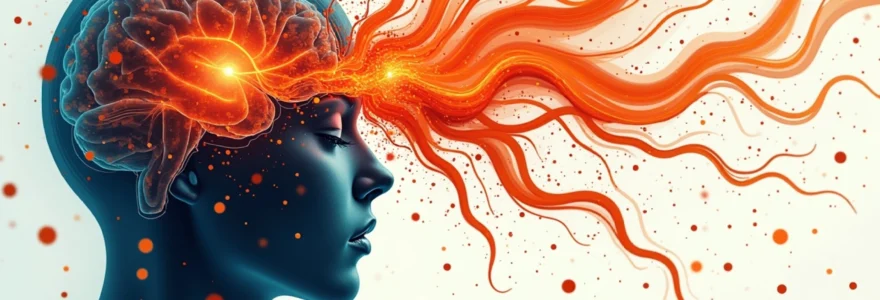
Bipolar disorder affects millions of individuals worldwide, creating profound challenges not only for those diagnosed but also for their families and support networks. Among the most distressing manifestations of this complex mental health condition are episodes of intense rage and verbal aggression that can erupt with startling suddenness and intensity. These explosive outbursts often leave lasting emotional wounds and strain relationships to breaking point, yet they remain poorly understood by both the general public and healthcare professionals alike.
The neurobiological underpinnings of bipolar rage represent a fascinating intersection of brain chemistry, genetics, and environmental factors. Unlike typical anger responses, bipolar rage episodes involve profound disruptions to multiple neural systems, creating perfect storms of emotional dysregulation. Understanding these mechanisms is crucial for developing effective treatment strategies and helping individuals recognise the warning signs before destructive verbal outbursts occur.
Neurobiological mechanisms behind bipolar rage episodes
The complex neurobiological landscape underlying bipolar rage episodes involves multiple interconnected brain systems working in dysharmony. Research has revealed that these explosive emotional responses stem from fundamental alterations in how the brain processes emotions, regulates impulses, and manages stress responses. These changes create a neurological environment where minor triggers can precipitate disproportionate emotional reactions.
Dysregulation of the Amygdala-Prefrontal cortex circuit
The amygdala-prefrontal cortex circuit serves as the brain’s primary emotional regulation system, functioning like a sophisticated alarm and control mechanism. In individuals with bipolar disorder, this circuit experiences significant dysfunction during mood episodes. The amygdala, responsible for detecting threats and generating emotional responses, becomes hyperactive during manic and mixed states, whilst the prefrontal cortex’s regulatory influence diminishes dramatically.
Neuroimaging studies have consistently demonstrated enlarged amygdala responses in bipolar patients during emotional processing tasks. This hyperactivity coincides with reduced connectivity between the amygdala and prefrontal regions, creating a scenario where emotional responses amplify without adequate top-down control. Consequently, minor provocations that neurotypical individuals might easily dismiss can trigger overwhelming feelings of rage and hostility.
Neurotransmitter imbalances: dopamine, serotonin and GABA dysfunction
The intricate dance of neurotransmitters in the bipolar brain becomes severely disrupted during mood episodes, particularly affecting systems that regulate mood stability and impulse control. Dopamine hyperfunctioning in certain brain regions contributes to the heightened energy and irritability characteristic of manic episodes, whilst simultaneously reducing the brain’s ability to modulate aggressive impulses appropriately.
Serotonin dysregulation compounds these effects by impairing mood stabilisation and increasing susceptibility to rapid emotional shifts. Low serotonin activity correlates strongly with increased aggression and verbal hostility in bipolar patients. Meanwhile, gamma-aminobutyric acid (GABA) dysfunction reduces the brain’s natural inhibitory mechanisms, essentially removing the neurological brakes that would normally prevent explosive outbursts from escalating.
HPA axis hyperactivation during manic and mixed episodes
The hypothalamic-pituitary-adrenal (HPA) axis becomes chronically hyperactivated during bipolar mood episodes, creating a physiological state of perpetual stress readiness. This hyperactivation floods the system with stress hormones like cortisol and adrenaline, priming the individual for fight-or-flight responses even in non-threatening situations. The result is a heightened state of irritability and reactivity that can transform minor disagreements into explosive confrontations.
During mixed episodes, where manic and depressive symptoms coexist, HPA axis dysfunction becomes particularly problematic. The combination of elevated energy from manic features and the emotional pain of depression creates an especially volatile neurochemical environment. Research indicates that individuals experiencing mixed episodes show the highest rates of verbal aggression and self-harm behaviours.
Inflammatory cytokines and their role in irritability escalation
Emerging research has identified neuroinflammation as a significant contributing factor to bipolar rage episodes. Inflammatory cytokines, particularly interleukin-6 and tumour necrosis factor-alpha, increase substantially during mood episodes and directly impact brain regions involved in emotional regulation. These inflammatory markers essentially create a neurological environment that favours aggressive responses over measured reactions.
The inflammatory cascade also interferes with neurotransmitter synthesis and function, further exacerbating the neurochemical imbalances already present in bipolar disorder. This creates a self-perpetuating cycle where inflammation increases irritability, which leads to stress responses that generate more inflammation.
Clinical manifestations of verbal aggression in bipolar spectrum disorders
Verbal aggression in bipolar disorder manifests through distinct patterns that vary significantly depending on the type of episode, comorbid conditions, and individual factors. Recognising these patterns is essential for clinicians, patients, and families to distinguish between different types of bipolar presentations and develop appropriate intervention strategies. The manifestations range from subtle increases in argumentativeness to explosive verbal tirades that can cause lasting psychological damage to recipients.
Distinguishing manic irritability from mixed state verbal outbursts
Manic irritability typically presents as grandiose anger, where individuals become verbally aggressive when others fail to recognise their perceived superiority or when obstacles impede their ambitious plans. The verbal content often includes themes of being misunderstood, underestimated, or deliberately thwarted. Speech becomes rapid and pressured, with individuals jumping between topics whilst maintaining an underlying thread of frustration or contempt.
Mixed state verbal outbursts, conversely, carry a darker quality characterised by hopelessness combined with agitation. The verbal aggression often includes self-deprecating statements mixed with blame directed at others. These episodes are particularly dangerous as they combine the energy of mania with the despair of depression, creating a volatile emotional cocktail that frequently leads to relationship damage and increased suicide risk.
Rapid cycling patterns and intensified verbal hostility
Rapid cycling bipolar disorder, defined as four or more mood episodes within a twelve-month period, creates unique challenges for managing verbal aggression. The frequent mood transitions mean that verbal hostility patterns change unpredictably, making it difficult for both patients and support systems to anticipate and prepare for outbursts. Individuals may cycle through different types of verbal aggression within days or weeks.
The constant neurochemical instability associated with rapid cycling appears to lower the threshold for verbal outbursts significantly. Professional treatment approaches must account for this increased volatility and often require more intensive monitoring and intervention strategies. The unpredictability of rapid cycling patterns frequently leads to increased social isolation as relationships become strained by the constant emotional turmoil.
Comorbid personality disorders: borderline features and rage expression
The co-occurrence of bipolar disorder with borderline personality disorder features creates particularly complex presentations of verbal aggression. Individuals with this comorbidity often experience more intense and prolonged episodes of verbal hostility, as the emotional dysregulation characteristic of borderline features amplifies the mood instability of bipolar disorder.
These individuals frequently exhibit splitting behaviours during verbal outbursts, where people are categorised as either completely supportive or entirely hostile. The verbal aggression often targets attachment figures and may alternate between desperate pleas for support and vicious attacks on the same person. This pattern creates especially challenging dynamics in therapeutic relationships and intimate partnerships.
Substance-induced disinhibition and amplified verbal aggression
Substance use disorders occur at significantly higher rates in bipolar populations, with alcohol being particularly problematic for verbal aggression management. Alcohol’s disinhibiting effects remove the few remaining impulse control mechanisms that individuals with bipolar disorder possess during mood episodes. The result is often catastrophic verbal outbursts that cause irreparable damage to relationships and professional standing.
Stimulant abuse, including cocaine and methamphetamines, creates synergistic effects with manic symptoms that can lead to extreme verbal hostility and paranoid accusations. Cannabis use, whilst sometimes employed as self-medication, can paradoxically increase anxiety and paranoia in some individuals, leading to increased verbal aggression towards perceived threats or critics.
Pharmacological interventions for rage management in bipolar disorder
Effective pharmacological management of bipolar rage requires a nuanced understanding of how different medications target the various neurobiological mechanisms underlying verbal aggression. The approach must be individualised based on the specific type of bipolar presentation, comorbid conditions, and the patient’s unique response patterns. Modern psychiatric pharmacology offers several evidence-based options for managing rage episodes, though treatment often requires careful titration and combination strategies.
Mood stabiliser efficacy: lithium carbonate vs valproate sodium
Lithium carbonate remains the gold standard for bipolar disorder treatment and shows particular efficacy in reducing irritability and verbal aggression. Its neuroprotective effects help stabilise the amygdala-prefrontal cortex circuit whilst modulating neurotransmitter function. Studies consistently demonstrate that lithium reduces the frequency and intensity of rage episodes, particularly in individuals with classic bipolar I presentations.
Valproate sodium offers distinct advantages for patients who experience rapid cycling or mixed episodes with prominent irritability. Its GABA-enhancing properties provide superior impulse control compared to lithium in certain populations. The medication’s anticonvulsant properties also help stabilise neuronal firing patterns that contribute to emotional dysregulation. However, valproate may cause cognitive dulling that some patients find intolerable.
Atypical antipsychotics: quetiapine and olanzapine for acute agitation
Quetiapine has emerged as a first-line treatment for bipolar irritability due to its unique receptor profile that targets multiple neurotransmitter systems simultaneously. Its sedating properties provide immediate relief during acute rage episodes, whilst its mood-stabilising effects help prevent future outbursts. The medication’s relatively favourable side effect profile makes it suitable for long-term use in many patients.
Olanzapine demonstrates superior efficacy for severe manic agitation but carries significant metabolic risks that limit its long-term utility. Its potent dopamine and serotonin receptor blockade provides rapid control of aggressive behaviours, making it invaluable for crisis situations. The medication’s weight gain and diabetes risk require careful monitoring and may necessitate switching to alternatives once acute symptoms resolve.
Adjunctive benzodiazepines: clonazepam for immediate de-escalation
Clonazepam serves as an essential tool for immediate de-escalation of bipolar rage episodes, providing rapid anxiolytic and anticonvulsant effects that can interrupt the neurological cascade leading to verbal outbursts. Its longer half-life compared to other benzodiazepines provides sustained anxiety reduction without frequent dosing. However, tolerance and dependence risks limit its utility to acute situations and short-term bridges during medication adjustments.
The medication’s GABA-enhancing effects directly counteract the disinhibition that contributes to verbal aggression. Clinical protocols often involve administering clonazepam during prodromal phases when patients recognise early warning signs of impending rage episodes. This proactive approach can prevent full-blown outbursts and preserve relationships and functioning.
Novel treatments: lamotrigine for rapid cycling irritability control
Lamotrigine has revolutionised treatment for bipolar patients with prominent depressive features and rapid cycling patterns. Its unique mechanism of action, involving sodium channel blockade and glutamate modulation, provides mood stabilisation without the sedation or weight gain associated with other medications. The drug shows particular efficacy in reducing the irritability and mixed states that often precede verbal outbursts.
The medication’s gradual titration schedule requires patience but ultimately provides excellent long-term stability for many patients. Its efficacy in preventing depressive episodes makes it invaluable for individuals whose verbal aggression emerges from hopelessness and despair rather than pure mania. Combination with other mood stabilisers often provides synergistic benefits for complex presentations.
Cognitive-behavioural approaches to verbal outburst prevention
Cognitive-behavioural interventions represent crucial components of comprehensive bipolar rage management, offering patients practical tools for recognising, interrupting, and redirecting the thought patterns and physiological responses that precede verbal outbursts. These approaches work by helping individuals develop awareness of their unique warning signs and implementing coping strategies before reaching the point of no return. The effectiveness of these interventions depends heavily on practicing techniques during stable periods rather than attempting to implement them during active episodes.
Dialectical behaviour therapy (DBT) skills have shown particular promise for managing emotional dysregulation in bipolar patients. The distress tolerance techniques teach individuals how to survive crisis moments without engaging in destructive verbal behaviours. Skills such as the TIPP technique (Temperature change, Intense exercise, Paced breathing, Progressive muscle relaxation) can physiologically alter the arousal state that underlies rage episodes.
Mindfulness-based interventions help patients develop metacognitive awareness of their emotional states and thought processes. By learning to observe their internal experiences without immediately reacting, individuals can create space between trigger and response. This gap provides opportunities to choose more adaptive responses rather than defaulting to verbal aggression. Regular mindfulness practice appears to strengthen prefrontal cortex function and improve emotional regulation capacity over time.
Cognitive restructuring techniques specifically target the distorted thought patterns that fuel bipolar rage. Common cognitive distortions include all-or-nothing thinking, personalisation, and catastrophising, all of which can transform minor interpersonal conflicts into perceived existential threats. By learning to identify and challenge these thoughts, patients can reduce the emotional intensity that drives verbal outbursts.
Research demonstrates that individuals who complete comprehensive cognitive-behavioural therapy programmes show significant reductions in both the frequency and severity of verbal aggression episodes, with benefits persisting for months after treatment completion.
Environmental triggers and situational risk factors
Environmental factors play crucial roles in precipitating bipolar rage episodes, often serving as the immediate triggers that transform underlying vulnerability into explosive verbal aggression. Understanding these triggers enables both patients and support systems to modify environments proactively and develop contingency plans for high-risk situations. The relationship between environmental stressors and bipolar symptoms follows complex patterns that vary significantly between individuals and across different phases of the disorder.
Sleep disruption emerges as one of the most potent environmental triggers for bipolar rage episodes. Even single nights of poor sleep can destabilise mood regulation systems and increase irritability substantially. Shift work, travel across time zones, and irregular sleep schedules create particular challenges for bipolar individuals. The relationship between sleep and mood creates vicious cycles where irritability leads to further sleep disruption, which intensifies emotional dysregulation.
Interpersonal conflicts and relationship stress frequently precipitate verbal outbursts, particularly when they involve themes of abandonment, criticism, or control. Family dynamics that include high expressed emotion—characterised by criticism, hostility, and emotional over-involvement—significantly increase the risk of rage episodes. Partners and family members often unknowingly engage in behaviours that escalate situations, such as arguing back during episodes or attempting to reason with someone in an acute manic state.
Work-related stressors present unique challenges for managing bipolar rage, as professional environments often lack the flexibility to accommodate mood fluctuations. Deadline pressures, interpersonal conflicts with colleagues, and performance evaluations can trigger intense emotional responses. The fear of job loss adds additional layers of stress that can perpetuate mood instability. Many individuals report that workplace accommodations such as flexible scheduling and stress management programmes significantly reduce their risk of verbal outbursts at work.
Seasonal changes and light exposure variations affect bipolar individuals more profoundly than the general population. Reduced daylight during winter months can trigger both depressive episodes and mixed states characterised by increased irritability. Conversely, extended daylight during summer months may precipitate manic episodes in susceptible individuals. Light therapy and circadian rhythm stabilisation become important considerations for rage prevention strategies.
| Environmental Trigger | Mechanism of Action | Prevention Strategy |
|---|---|---|
| Sleep Disruption | Destabilises circadian rhythms and mood regulation | Strict sleep hygiene protocols and sleep tracking |
| High Expressed Emotion | Activates stress response systems | Family therapy and communication training |
| Seasonal Changes | Affects circadian biology and neurotransmitter function | Light therapy and medication adjustments |
Long-term
prognosis and relapse prevention strategies
The long-term trajectory of bipolar rage episodes varies considerably between individuals, with prognosis largely dependent on treatment adherence, environmental stability, and the development of effective coping mechanisms. Research indicates that patients who engage consistently with comprehensive treatment programmes demonstrate substantial improvements in rage frequency and intensity over time. However, the chronic nature of bipolar disorder means that vigilance regarding relapse prevention remains crucial throughout the individual’s lifetime.
Medication adherence emerges as the single most significant predictor of long-term rage management success. Studies show that individuals who maintain consistent medication regimens experience approximately 70% fewer severe verbal outburst episodes compared to those with sporadic adherence. The challenge lies in sustaining motivation during periods of stability when patients may question the necessity of continued treatment. Psychoeducation programmes that emphasise the progressive nature of untreated bipolar disorder help patients understand why maintenance therapy remains essential even during asymptomatic periods.
Lifestyle modifications provide substantial protective benefits against rage episode recurrence. Regular sleep schedules, stress management techniques, and avoiding substance use create neurobiological environments that favour mood stability. Patients who implement comprehensive lifestyle changes alongside pharmaceutical interventions show the most robust long-term outcomes. The key lies in developing sustainable routines that can withstand the inevitable disruptions that life presents, rather than rigid systems that collapse under pressure.
Early warning system development represents a crucial component of relapse prevention strategies. Patients and their support networks must learn to recognise the subtle prodromal signs that precede rage episodes, such as decreased sleep need, increased goal-directed activity, or subtle changes in speech patterns. Proactive intervention during these early phases can prevent full-blown episodes from developing. Technology-assisted monitoring through mood tracking applications and wearable devices shows promise for enhancing early detection capabilities.
Long-term studies demonstrate that individuals with bipolar disorder who maintain comprehensive treatment approaches, including medication, therapy, and lifestyle modifications, can achieve substantial reductions in verbal aggression episodes, with many experiencing years-long periods of stability and improved relationship functioning.
Social support network cultivation plays an indispensable role in maintaining long-term stability and preventing rage episode recurrence. Family members and close friends who receive education about bipolar disorder become valuable allies in recognising early warning signs and providing appropriate support during vulnerable periods. However, these relationships require careful nurturing, as the strain of managing bipolar rage can lead to caregiver burnout and relationship deterioration if left unaddressed. Regular family therapy sessions and support groups provide essential resources for maintaining these crucial relationships.
Professional monitoring and adjustment of treatment strategies must continue indefinitely for optimal outcomes. The neurobiological changes associated with bipolar disorder evolution require periodic reassessment of medication efficacy and dosing. What works effectively during one life phase may require modification as circumstances change, stress levels fluctuate, or comorbid conditions develop. Patients who maintain regular psychiatric follow-up appointments demonstrate significantly better long-term outcomes compared to those who engage with services only during crisis periods.
The integration of complementary approaches, including mindfulness practices, exercise programmes, and creative therapies, enhances traditional treatment effectiveness and provides additional tools for rage management. These interventions help develop emotional regulation skills that remain available even when medication effects may be insufficient during high-stress periods. The key lies in implementing these practices during stable periods so they become automatic responses during times of emotional turbulence. Regular practice of stress-reduction techniques creates neural pathways that support emotional regulation and reduce the likelihood of explosive verbal outbursts when faced with challenging situations.