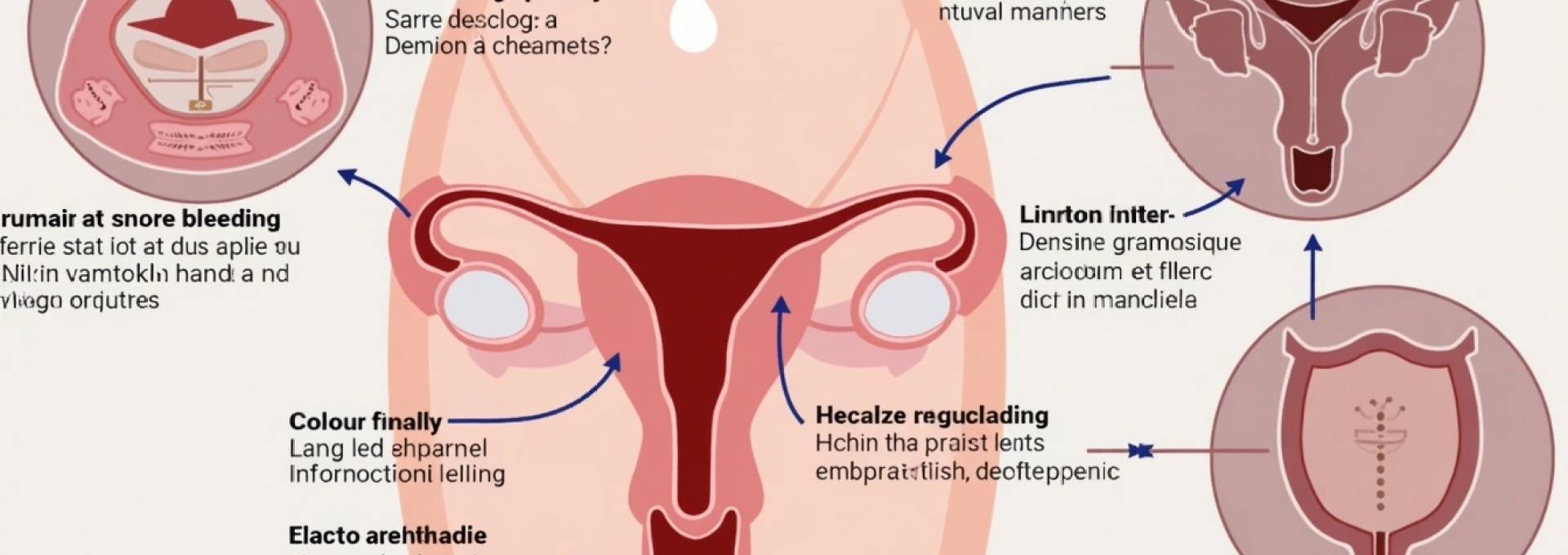
A 2 cm subchorionic hemorrhage represents a moderate-sized collection of blood between the chorion membrane and the uterine wall during early pregnancy. This condition affects approximately 3.1% of all pregnancies and ranks as one of the most common causes of first-trimester vaginal bleeding. When detected through ultrasound examination, a haematoma measuring 2 cm in diameter places expectant mothers in a clinically significant category that requires careful monitoring and evidence-based management strategies.
The significance of this specific measurement cannot be understated, as research indicates that haematomas exceeding 2 cm demonstrate markedly different outcomes compared to smaller collections. Understanding the implications of this threshold helps healthcare providers stratify risk levels and implement appropriate surveillance protocols. For expectant mothers receiving this diagnosis, knowledge about the condition’s pathophysiology, management options, and potential outcomes provides essential context for informed decision-making throughout the pregnancy journey.
Clinical definition and pathophysiology of 2cm subchorionic haematoma
Subchorionic haematoma, also termed subchorionic haemorrhage, occurs when blood accumulates in the potential space between the chorion frondosum and the decidua basalis. This anatomical disruption typically results from partial detachment of the chorionic membrane from the underlying maternal tissue, creating a cavity where blood can collect and organise into a distinct haematoma.
Anatomical location between chorion and decidua basalis
The chorion membrane serves as the outermost foetal membrane, establishing the crucial interface between maternal and foetal circulations during early pregnancy. When separation occurs at this junction, bleeding vessels create the characteristic crescent-shaped or elliptical collection visible on ultrasound imaging. The decidua basalis, representing the maternal endometrial lining beneath the implanting embryo, provides the structural foundation for early placental development.
Understanding this anatomical relationship helps explain why subchorionic haematomas frequently resolve spontaneously as pregnancy progresses. The dynamic nature of early placental development allows for remodelling of the maternal-foetal interface, potentially incorporating or reabsorbing smaller collections whilst maintaining pregnancy viability.
Haematoma size classification according to RCOG guidelines
The Royal College of Obstetricians and Gynaecologists stratifies subchorionic haematomas based on absolute measurements rather than relative gestational sac ratios. Small haematomas measure less than 1.5 cm in maximum diameter, moderate collections range from 1.5 to 3 cm, whilst large haematomas exceed 3 cm. A 2 cm haematoma therefore falls within the moderate category, representing a clinically meaningful threshold for enhanced surveillance.
This classification system proves more reliable than percentage-based measurements relative to gestational sac size, particularly given the significant variation in sac dimensions during early pregnancy. Absolute measurements provide consistent prognostic value across different gestational ages and facilitate standardised management protocols.
Gestational age impact on subchorionic bleeding severity
The timing of haematoma detection significantly influences clinical outcomes and management strategies. Collections identified before 10 weeks’ gestation generally demonstrate better resolution rates compared to those diagnosed later in the first trimester. Early detection allows for prompt intervention and optimised surveillance protocols that may improve pregnancy outcomes.
Gestational age at diagnosis also affects the relative significance of haematoma size. A 2 cm collection at 6 weeks represents a proportionally larger disruption compared to the same measurement at 10 weeks, when the gestational sac and surrounding structures have enlarged considerably. This temporal relationship underscores the importance of correlating absolute measurements with developmental stage.
Ultrasound echogenicity patterns in acute vs chronic collections
Fresh subchorionic haematomas typically appear hyperechoic or isoechoic on ultrasound examination, reflecting the presence of acute blood products with intact cellular components. As collections mature, echogenicity patterns evolve predictably, transitioning through mixed echogenicity phases before eventually becoming hypoechoic or anechoic in chronic cases.
These echogenicity changes provide valuable diagnostic information about haematoma age and potential resolution patterns. Acute collections with high echogenicity often correlate with recent bleeding episodes , whilst chronic, anechoic collections suggest stabilisation and potential reabsorption pathways.
Diagnostic imaging protocols for subchorionic haemorrhage detection
Modern obstetric imaging protocols utilise sophisticated ultrasound techniques to detect, measure, and monitor subchorionic haematomas throughout early pregnancy. Accurate diagnosis requires systematic evaluation of the maternal-foetal interface using standardised imaging approaches that optimise visualisation whilst minimising patient discomfort.
Transvaginal sonography measurement techniques
Transvaginal ultrasonography represents the gold standard for subchorionic haematoma detection and measurement during the first trimester. This imaging modality provides superior resolution compared to transabdominal approaches, enabling precise characterisation of small collections that might otherwise remain undetected. Optimal probe positioning requires gentle manipulation to visualise the entire chorion-decidua interface without applying excessive pressure that could artificially compress the haematoma.
Measurement protocols typically involve obtaining three orthogonal dimensions using electronic callipers, calculating volume through the standard ellipsoid formula. For a 2 cm haematoma, measurements should encompass the maximum diameter whilst ensuring accurate representation of the collection’s true dimensions. Serial measurements using consistent technique prove essential for monitoring resolution or progression patterns.
Colour doppler assessment of placental vasculature
Colour Doppler ultrasonography provides valuable haemodynamic information about the developing placental circulation adjacent to subchorionic collections. Normal placental blood flow patterns suggest adequate maternal-foetal perfusion despite the presence of haematoma, whilst compromised flow indices may indicate more significant placental dysfunction requiring intensive monitoring.
Power Doppler techniques offer enhanced sensitivity for detecting low-velocity flow within the decidual vessels surrounding subchorionic haematomas. This imaging approach helps distinguish between active bleeding and organised collections, informing clinical decision-making regarding activity restrictions and follow-up intervals.
MRI evaluation in complex cases with placental abnormalities
Magnetic resonance imaging serves as an adjunctive diagnostic tool in cases where ultrasound evaluation proves technically challenging or when complex placental abnormalities accompany subchorionic haematomas. MRI provides excellent soft tissue contrast and multiplanar imaging capabilities that can clarify anatomical relationships obscured by acoustic shadowing or maternal habitus.
T1-weighted sequences effectively demonstrate acute blood products, whilst T2-weighted images highlight chronic collections and surrounding oedematous changes. MRI evaluation becomes particularly valuable when planning management strategies for large haematomas or when assessing placental implantation abnormalities that may complicate pregnancy outcomes.
Serial monitoring protocols using ISUOG standards
The International Society of Ultrasound in Obstetrics and Gynaecology establishes standardised protocols for monitoring subchorionic haematomas throughout pregnancy. These guidelines recommend initial assessment within 7-10 days of diagnosis, followed by surveillance intervals determined by haematoma size, gestational age, and clinical symptoms.
For 2 cm haematomas, monitoring typically involves fortnightly evaluations during the first trimester, with extended intervals if progressive resolution occurs. Documentation should include precise measurements, echogenicity patterns, and associated findings such as foetal cardiac activity and gestational sac morphology. Consistent imaging protocols ensure reliable trend analysis and facilitate evidence-based management decisions.
Maternal and foetal risk stratification at 2cm threshold
The 2 cm measurement threshold represents a critical decision point in obstetric risk assessment, where statistical outcomes shift measurably compared to smaller collections. Research demonstrates that haematomas exceeding this size correlate with increased rates of pregnancy complications, including higher miscarriage rates, preterm delivery, and placental abruption. Studies indicate that moderate-sized haematomas between 1.5-3 cm show resolution rates of approximately 70-80%, compared to over 90% for collections under 1 cm.
Maternal risk factors include an elevated likelihood of antepartum haemorrhage, with bleeding episodes occurring in 60-70% of cases involving 2 cm haematomas. The duration and severity of bleeding episodes typically correlate with haematoma size, though individual variation remains significant. Women with 2 cm collections face approximately 15-20% increased risk of first-trimester pregnancy loss compared to pregnancies without subchorionic bleeding, though this represents a relative rather than absolute risk increase.
Foetal implications encompass potential growth restriction and increased perinatal monitoring requirements. Large-scale cohort studies reveal that babies born following 2 cm subchorionic haematomas demonstrate slightly lower birth weights and increased rates of intrauterine growth restriction, though the majority achieve normal developmental outcomes. The mechanism likely involves localised placental dysfunction affecting nutrient transfer, though compensatory mechanisms often maintain adequate foetal growth throughout pregnancy.
Research indicates that haematomas measuring 2 cm or larger during the first trimester require enhanced surveillance protocols and may benefit from targeted interventions to optimise pregnancy outcomes.
Evidence-based management strategies for moderate subchorionic bleeding
Contemporary management of 2 cm subchorionic haematomas emphasises individualised care based on clinical presentation, patient risk factors, and haematoma characteristics. Evidence-based protocols integrate conservative management principles with selective interventions designed to optimise maternal-foetal outcomes whilst minimising unnecessary restrictions or medical interventions.
Pelvic rest recommendations and activity modification
Activity modification protocols for 2 cm haematomas typically recommend avoiding strenuous exercise, heavy lifting (>10 kg), and sexual intercourse until haematoma resolution or stabilisation occurs. However, complete bed rest shows no proven benefit and may increase thromboembolic risks. Modified activity levels that maintain mobility whilst avoiding vigorous exertion represent the current standard of care for moderate-sized collections.
Pelvic rest guidelines specifically prohibit vaginal intercourse, tampon use, and douching until follow-up imaging confirms haematoma resolution or significant reduction. These restrictions aim to minimise mechanical trauma to the cervix and lower genital tract that could potentially exacerbate bleeding or introduce ascending infection risks.
Progesterone supplementation protocols in High-Risk cases
Progesterone supplementation demonstrates established efficacy for women with recurrent pregnancy loss or threatened abortion, with emerging evidence supporting its use in subchorionic haematoma cases. Micronised progesterone at doses of 400-600 mg daily (vaginal administration) may reduce bleeding intensity and support haematoma resolution, particularly in women with documented luteal phase defects or previous pregnancy losses.
The mechanism of action involves enhanced decidual stability and reduced uterine contractility, creating a more favourable environment for haematoma reabsorption. Treatment duration typically continues until 12-14 weeks’ gestation or until documented haematoma resolution, whichever occurs later. Side effects remain minimal with vaginal administration, though patients should understand potential drowsiness and breast tenderness.
Anticoagulant therapy considerations in thrombophilia patients
Women with inherited or acquired thrombophilia disorders require careful evaluation when presenting with 2 cm subchorionic haematomas, as anticoagulation therapy may influence bleeding patterns and haematoma evolution. Low molecular weight heparin protocols may require temporary modification or dose adjustment based on bleeding severity and haematoma progression patterns.
Multidisciplinary consultation involving haematology specialists ensures optimal balance between thrombosis prevention and haemorrhage risk management. Individual risk-benefit analysis considers thrombophilia type, previous thrombotic events, and current bleeding manifestations when determining appropriate anticoagulation strategies throughout the affected pregnancy.
Hospitalisation criteria for active haemorrhage episodes
Admission criteria for 2 cm subchorionic haematomas include heavy vaginal bleeding saturating more than one pad per hour for consecutive hours, associated pelvic cramping suggesting uterine contractions, or maternal haemodynamic instability. Additional indications encompass inability to maintain oral intake due to nausea and vomiting, or social circumstances preventing adequate outpatient monitoring.
Inpatient management focuses on maternal stabilisation, continuous foetal monitoring where appropriate for gestational age, and serial haematological assessment to exclude significant blood loss. Discharge planning incorporates clear instructions for activity modification and scheduled follow-up arrangements with appropriate specialist services.
Pregnancy outcomes and Long-Term prognosis analysis
Long-term outcome data for pregnancies complicated by 2 cm subchorionic haematomas reveals generally favourable prognoses when appropriate management protocols are implemented. Large population studies demonstrate that approximately 75-80% of pregnancies with moderate-sized haematomas progress to term delivery, with the majority of adverse outcomes occurring within the first trimester rather than later gestational periods.
Multivariate analysis identifies several factors that significantly influence prognosis beyond haematoma size alone. Maternal age over 35 years, previous pregnancy losses, and concurrent bleeding symptoms correlate with reduced resolution rates and increased complication risks. Conversely, early gestational age at diagnosis (before 8 weeks) and absent vaginal bleeding at presentation predict more favourable outcomes, with resolution rates exceeding 85% in this subset.
Neonatal outcomes generally reflect the overall pregnancy course, with most babies born following 2 cm haematomas achieving normal birth weights and developmental milestones. However, subtle increases in rates of intrauterine growth restriction (8-12% vs 5-7% baseline) and preterm delivery (12-15% vs 8-10% baseline) underscore the importance of enhanced surveillance throughout pregnancy. These statistics should be interpreted within the context of individual risk factors rather than universal predictions, as significant variation exists between cases.
The majority of pregnancies affected by 2 cm subchorionic haematomas achieve successful outcomes with appropriate monitoring and management, though individualised risk assessment remains essential for optimal care.
Placental pathology studies reveal interesting insights into the mechanisms underlying improved outcomes in successfully managed cases. Histological examination of placentas from pregnancies complicated by resolved subchorionic haematomas demonstrates evidence of vascular remodelling and compensatory changes that maintain adequate maternal-foetal exchange despite initial disruption. These adaptive mechanisms explain why many pregnancies achieve normal growth patterns following haematoma resolution.
Follow-up surveillance and resolution timeframes
Systematic follow-up protocols for 2 cm subchorionic haematomas emphasise regular ultrasound monitoring combined with clinical assessment to track resolution patterns and identify potential complications. Initial surveillance typically involves weekly or bi-weekly evaluations during the first month following diagnosis, with extended intervals as stability or improvement occurs. Most moderate-sized haematomas demonstrate significant reduction within 4-6 weeks of initial detection, though complete resolution may require 8-12 weeks in some cases.
Resolution patterns vary considerably between individuals, with some collections showing rapid decrease within 2-3 weeks whilst others persist throughout the first trimester before gradually reabsorbing. The echogenicity evolution provides valuable prognostic information, as haematomas transitioning from hyperechoic to hypoechoic patterns typically indicate successful reabsorption pathways. Persistence of echogenic characteristics beyond 6-8 weeks may suggest ongoing bleeding or impaired reabsorption mechanisms requiring modified management approaches.
Long-term surveillance extends beyond haematoma resolution to monitor for pregnancy complications associated with early placental disruption. Enhanced screening for gestational diabetes, hypertensive disorders, and foetal growth restriction continues throughout the second and third trimesters, reflecting the increased baseline risks identified in population studies. Third-trimester surveillance protocols often incorporate additional growth scans and umbilical artery Doppler studies to ensure optimal foetal wellbeing despite the resolved first-trimester complications.
Documentation requirements for comprehensive follow-up include detailed measurement records, echogenicity descriptions, and associated findings such as foetal cardiac activity and amniotic fluid volume. This information proves invaluable for future pregnancy counselling and risk assessment, particularly for women considering subsequent pregnancies. The data also contributes to ongoing research efforts aimed at refining management protocols and improving outcomes for future patients with similar presentations.