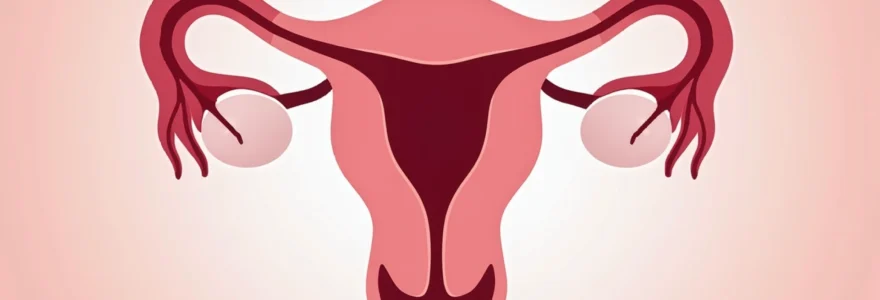
Following a colposcopy procedure that involves taking tissue samples from your cervix, understanding when it’s medically safe to resume sexual activity becomes a crucial aspect of your recovery journey. The delicate nature of cervical tissue and the healing process requires careful consideration of timing to prevent complications and ensure optimal recovery outcomes. Healthcare professionals provide specific guidance regarding sexual activity restrictions after cervical biopsies for compelling medical reasons that directly impact your healing process and long-term cervical health.
The cervical tissue undergoes a complex healing process after biopsy procedures, requiring adequate time for cellular regeneration and wound closure. During this vulnerable period, premature resumption of sexual activity can lead to serious complications including secondary bleeding, infection, and delayed healing. Understanding the science behind these recommendations empowers you to make informed decisions about your recovery timeline while protecting your reproductive health.
Colposcopy biopsy recovery timeline and healing phases
The recovery process following a colposcopy biopsy involves distinct phases of cellular regeneration and tissue repair that determine when sexual activity can safely resume. Understanding these phases provides clarity about why specific timeframes are recommended and helps you recognise normal healing progression versus potential complications requiring medical attention.
Cervical tissue regeneration following punch biopsy procedures
Standard cervical punch biopsies create small wounds approximately the size of a pinhead on the cervical surface. The initial healing phase begins immediately after the procedure, with blood clot formation providing a protective barrier over the biopsy site. During the first 24 to 48 hours, inflammatory responses activate to clear cellular debris and initiate the regenerative process.
The proliferative phase of healing typically commences within 48 to 72 hours after the biopsy procedure. New epithelial cells begin migrating across the wound surface, gradually covering the exposed tissue. This process requires approximately 5 to 7 days for complete surface re-epithelialisation of punch biopsy sites. During this critical period, any disruption to the healing environment can significantly delay recovery or introduce complications.
Endocervical curettage recovery considerations and timeline variations
When endocervical curettage accompanies the colposcopy procedure, the healing timeline extends beyond that of simple punch biopsies. The curettage process involves scraping tissue from within the cervical canal, creating a larger surface area requiring regeneration. This procedure typically necessitates 7 to 10 days for initial healing, with complete cellular restoration taking up to 14 days.
The endocervical canal’s unique anatomical structure and limited blood supply can influence healing rates. Patients who undergo endocervical curettage often experience slightly more pronounced bleeding and discharge patterns compared to those receiving only punch biopsies. This extended healing timeline directly impacts recommendations regarding sexual activity resumption, often requiring longer abstinence periods to ensure proper recovery.
LEEP and cone biopsy extended healing periods
Large Loop Excision of the Transformation Zone (LEEP) procedures create significantly larger wound surfaces requiring extended healing timeframes. The loop diathermy treatment removes tissue approximately the size of a fingernail, creating a wound that requires 3 to 4 weeks for complete healing. During this period, the cervical tissue undergoes extensive regeneration processes that are vulnerable to disruption from sexual activity.
Cone biopsies represent the most extensive cervical tissue removal procedures, requiring 4 to 6 weeks for complete healing. The cone-shaped tissue excision creates a substantial defect in the cervical structure that must regenerate through multiple phases of healing. The extended timeline for cone biopsy recovery reflects the significant tissue removal and the cervix’s need to reform its anatomical structure while maintaining proper function.
Individual factors affecting Post-Biopsy recovery duration
Several individual factors can influence your specific healing timeline and impact recommendations for resuming sexual activity. Age plays a significant role in tissue regeneration rates, with younger patients typically experiencing faster healing due to enhanced cellular metabolism and blood circulation. Smoking status dramatically affects recovery, as tobacco use impairs blood flow and oxygen delivery to healing tissues, potentially doubling recovery timeframes.
Hormonal status, particularly oestrogen levels, influences cervical tissue healing rates. Postmenopausal women may experience slower healing due to reduced oestrogen production, while those using hormonal contraceptives might see variable effects depending on the specific formulation. Pre-existing medical conditions such as diabetes or autoimmune disorders can also significantly impact healing rates and may require individualised recovery protocols.
Physical contraindications to sexual activity after cervical biopsy
The medical rationale for abstaining from sexual activity after cervical biopsy procedures centres around specific physiological risks that emerge during the healing process. These contraindications are evidence-based recommendations designed to prevent serious complications that could compromise your recovery and potentially impact your long-term reproductive health.
Risk of secondary haemorrhage during tissue regeneration
Secondary bleeding represents one of the most significant risks associated with premature sexual activity after cervical biopsy procedures. The healing biopsy sites remain vulnerable to bleeding for approximately 7 to 12 days post-procedure, coinciding with the natural shedding of scab tissue from the wound surface. Sexual activity during this period can dislodge protective blood clots and disrupt newly formed tissue, triggering potentially severe bleeding episodes.
The mechanical friction and pressure associated with penetrative sexual activity can cause immediate bleeding from healing biopsy sites. Statistics indicate that patients who resume sexual activity within 48 hours of biopsy procedures experience secondary bleeding rates up to 15% higher than those who follow recommended abstinence periods . This bleeding can range from light spotting to heavy haemorrhage requiring emergency medical intervention.
Healthcare professionals emphasise that secondary haemorrhage after cervical procedures can occur suddenly and may require urgent medical treatment, making prevention through appropriate activity restrictions essential for patient safety.
Cervical infection prevention and bacterial introduction risks
The open wound surfaces created by cervical biopsy procedures provide potential entry points for bacterial pathogens that can lead to serious pelvic infections. During normal sexual activity, bacteria from the skin, genital tract, and external environment can be introduced into the cervical area. When protective epithelial barriers are compromised by biopsy procedures, these bacteria can penetrate deeper tissues and establish infections.
Pelvic inflammatory disease (PID) represents a serious complication that can result from bacterial introduction during the vulnerable post-biopsy period. Research demonstrates that the risk of ascending bacterial infection increases by approximately 200% when sexual activity occurs within 48 hours of cervical biopsy procedures. The consequences of PID can include chronic pelvic pain, fertility complications, and increased risk of ectopic pregnancy.
Mechanical trauma to healing biopsy sites
The physical forces generated during sexual activity can cause direct mechanical trauma to healing cervical tissue. Penetrative activity creates pressure and friction that can disrupt the delicate process of cellular regeneration occurring at biopsy sites. This mechanical disruption can tear newly formed tissue, restart the inflammatory process, and significantly delay healing timelines.
Even gentle sexual activity can generate sufficient force to damage healing cervical tissue during the first week following biopsy procedures . The cervical position during sexual arousal and activity can increase vulnerability to mechanical trauma, as the cervix becomes more accessible and may experience direct contact during penetration. This trauma can manifest as immediate bleeding, increased pain, or extended discharge patterns.
Vaginal ph disruption and wound healing interference
Sexual activity can alter the vaginal pH environment, potentially interfering with optimal wound healing conditions. The introduction of semen, lubricants, or external materials can disrupt the carefully balanced vaginal ecosystem that supports healing. Changes in pH levels can affect the activity of healing enzymes and create environments more conducive to bacterial growth.
The natural vaginal microbiome plays a crucial role in supporting cervical tissue healing through the production of protective compounds and maintenance of optimal pH levels. Sexual activity during the recovery period can introduce foreign substances that disrupt this delicate balance, potentially slowing healing rates and increasing infection risks. Maintaining vaginal health during recovery requires avoiding activities that could alter the natural healing environment.
Medical guidelines from leading gynaecological organisations
Professional medical organisations have established evidence-based guidelines for post-colposcopy sexual activity restrictions based on extensive clinical research and patient outcome data. These recommendations represent the consensus of leading experts in gynaecological care and provide standardised approaches to patient safety during recovery periods.
Royal college of obstetricians and gynaecologists sexual activity recommendations
The Royal College of Obstetricians and Gynaecologists (RCOG) provides comprehensive guidance regarding sexual activity after cervical procedures, emphasising patient safety and optimal recovery outcomes. Their recommendations specify that patients should abstain from penetrative sexual activity for a minimum of 48 hours after any bleeding or spotting has completely ceased following cervical biopsy procedures.
RCOG guidelines establish different timeframes based on the extent of the procedure performed. For standard punch biopsies, the recommendation includes avoiding sexual activity for 5 to 7 days post-procedure, provided no ongoing bleeding occurs. For more extensive procedures such as LEEP or cone biopsies, RCOG recommendations extend to 4 to 6 weeks of sexual activity restrictions to ensure complete healing before resuming normal activities.
British society for colposcopy and cervical pathology protocol guidelines
The British Society for Colposcopy and Cervical Pathology (BSCCP) has developed detailed protocols that provide specific guidance for healthcare professionals delivering post-procedure care advice. Their guidelines emphasise individualised patient counselling while maintaining consistent safety standards across all healthcare settings.
BSCCP protocols recommend that all patients receive written information about sexual activity restrictions before leaving the clinic, ensuring clear understanding of recovery requirements. Their evidence-based approach incorporates recent research demonstrating improved patient outcomes when standardised post-procedure advice is provided. The society’s guidelines also address special circumstances, such as pregnancy or immunocompromised patients, requiring modified recovery protocols.
NHS trust variations in Post-Procedure sexual health advice
While national guidelines provide framework recommendations, individual NHS Trusts may implement variations based on local clinical experience and patient populations. These variations typically involve extended precautionary periods rather than shortened restrictions, reflecting conservative approaches to patient safety.
Some NHS Trusts recommend extended abstinence periods of up to 2 weeks for standard biopsy procedures, particularly in areas with higher rates of post-procedure complications. These institutional variations reflect the balance between evidence-based medicine and local clinical experience , ensuring that patients receive care tailored to their specific healthcare environment while maintaining safety standards.
NHS Trust guidelines consistently emphasise that patients should contact their healthcare provider if they have any concerns about their recovery timeline or experience unexpected symptoms during the healing period.
Clinical signs indicating safe return to sexual activity
Recognising the appropriate clinical indicators for safely resuming sexual activity requires understanding specific healing milestones that demonstrate adequate tissue recovery. Healthcare professionals assess multiple factors when determining individual readiness for activity resumption, ensuring that healing has progressed sufficiently to minimise complication risks.
The primary indicator for safe sexual activity resumption is the complete cessation of any bleeding or abnormal discharge from the cervical area. This cessation must persist for at least 48 hours before sexual activity can be considered safe. The bleeding pattern following cervical biopsy typically follows a predictable timeline, with initial bleeding subsiding within 24 to 48 hours, followed by potential secondary bleeding around days 7 to 12 as healing tissue naturally sheds.
Absence of pelvic pain or unusual cramping serves as another crucial indicator of healing progress. Pain levels should return to baseline or pre-procedure levels before sexual activity resumption is considered appropriate . Any persistent or worsening pain may indicate incomplete healing or potential complications requiring medical evaluation before activity restrictions are lifted.
The character and volume of vaginal discharge provide important insights into healing status. Normal post-biopsy discharge typically progresses from initial bloody discharge to clear or slightly discoloured secretions as healing advances. The presence of offensive-smelling discharge, unusual colours, or increasing volume may suggest infection or delayed healing, necessitating continued abstinence until medical evaluation can be completed.
Physical comfort during routine daily activities serves as a practical indicator of recovery progress. Patients who experience discomfort during normal walking, sitting, or other routine activities should delay sexual activity resumption until these basic functions can be performed without pain. The ability to use tampons comfortably, when medically appropriate, can also serve as an indicator of adequate healing, though this should only be attempted after receiving specific medical clearance.
Alternative intimate activities during colposcopy recovery period
Maintaining emotional and physical intimacy with your partner during the recovery period requires creativity and understanding of safe alternatives to penetrative sexual activity. These alternatives allow couples to preserve their intimate connection while respecting medical restrictions and protecting healing cervical tissue from potential complications.
Non-penetrative intimate activities can provide emotional and physical satisfaction while eliminating risks to healing cervical tissue. External massage, cuddling, and other forms of physical affection maintain intimate connections without compromising recovery. Many couples find that exploring alternative forms of intimacy during recovery periods can actually enhance their overall relationship satisfaction and communication about physical needs and boundaries.
Oral stimulation directed away from the genital area can provide intimate experiences while avoiding any contact with healing cervical tissue. Focus on other erogenous zones allows for pleasurable experiences that support emotional intimacy without creating medical risks. Partners should maintain open communication about comfort levels and any physical sensations during these activities to ensure both safety and satisfaction.
Digital stimulation that avoids vaginal penetration can be incorporated into intimate activities, provided strict hygiene measures are maintained. Hand washing before any intimate contact becomes crucial during the recovery period to prevent bacterial introduction. External genital stimulation can provide sexual satisfaction while completely avoiding the cervical area and eliminating risks to healing tissue.
Healthcare professionals recommend that couples use the recovery period as an opportunity to explore different forms of intimacy and communication, often leading to enhanced relationship satisfaction beyond the healing timeline.
Sensual activities such as shared bathing, massage with appropriate oils, and intimate conversation can maintain emotional bonds during physical restrictions. These activities provide opportunities for closeness and affection without any medical risks. Many couples report that discovering new ways to express intimacy during recovery periods contributes to long-term relationship growth and improved communication about physical needs.
When to seek urgent medical consultation after resuming sexual activity
Understanding the warning signs that require immediate medical attention after resuming sexual activity following cervical biopsy ensures prompt treatment of potential complications. These indicators represent serious medical concerns that can develop rapidly and may require emergency intervention to prevent long-term consequences.
Heavy bleeding that exceeds normal menstrual flow represents a medical emergency requiring immediate consultation. This bleeding may occur immediately after sexual activity or within hours of resumption. Any bleeding that requires changing a pad more frequently than every hour warrants urgent medical evaluation , particularly if accompanied by clots or persistent flow. Emergency services should be contacted if bleeding becomes uncontrollable or if you experience dizziness, weakness, or fainting associated with blood loss.
Severe pelvic pain that develops after resuming sexual activity may indicate tissue trauma or infection requiring prompt medical assessment. This pain typically differs from the mild discomfort that might be expected during initial activity resumption and instead presents as sharp, persistent, or worsening sensations. Pain accompanied by fever, chills, or nausea suggests possible infection and requires urgent evaluation.
Unusual vaginal discharge with offensive odour, unusual colour, or increased volume following sexual activity resumption may indicate bacterial infection. Purulent discharge, particularly when accompanied by pelvic pain or fever, represents a serious medical concern requiring immediate antibiotic treatment. Early intervention for suspected infections prevents progression to more serious complications such as pelvic inflammatory disease.
Persistent bleeding that continues for more than 24 hours after sexual activity should prompt medical consultation, even if the bleeding is relatively light. This persistent bleeding may indicate incomplete healing or tissue trauma that requires professional assessment. Additionally, any bleeding pattern that differs significantly from your normal expectations or previous post-procedure experience warrants medical evaluation to ensure appropriate healing progress and rule out complications requiring treatment.